
Last updated November 15, 2026
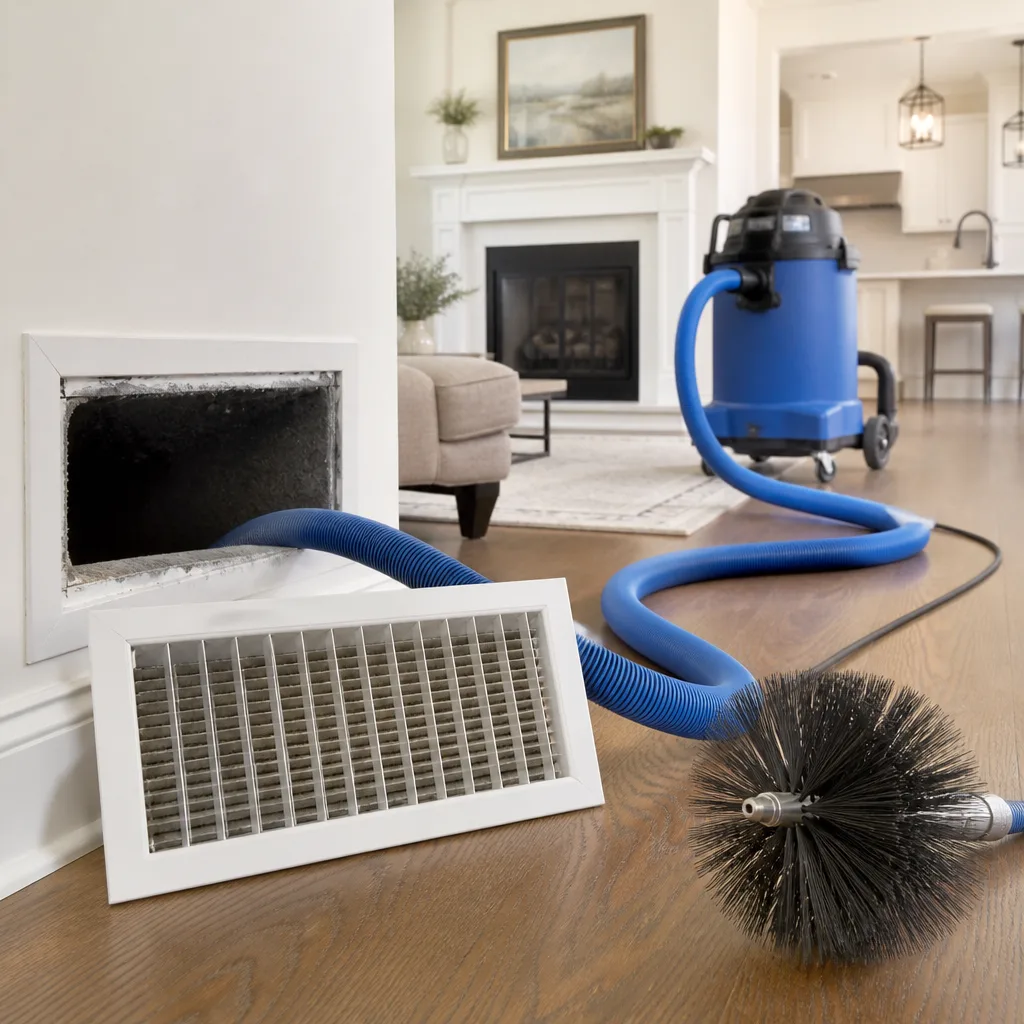 Whole-home duct cleaning
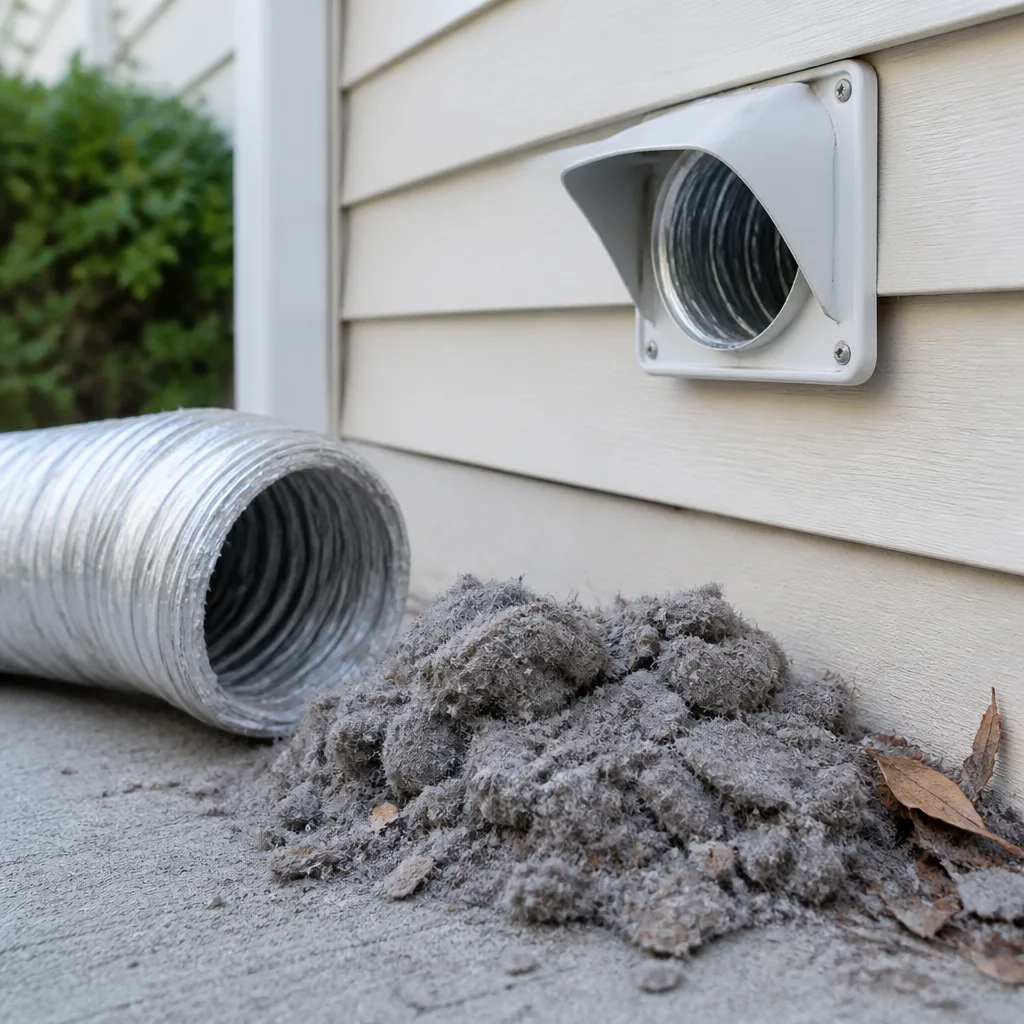 Dryer vent cleaning
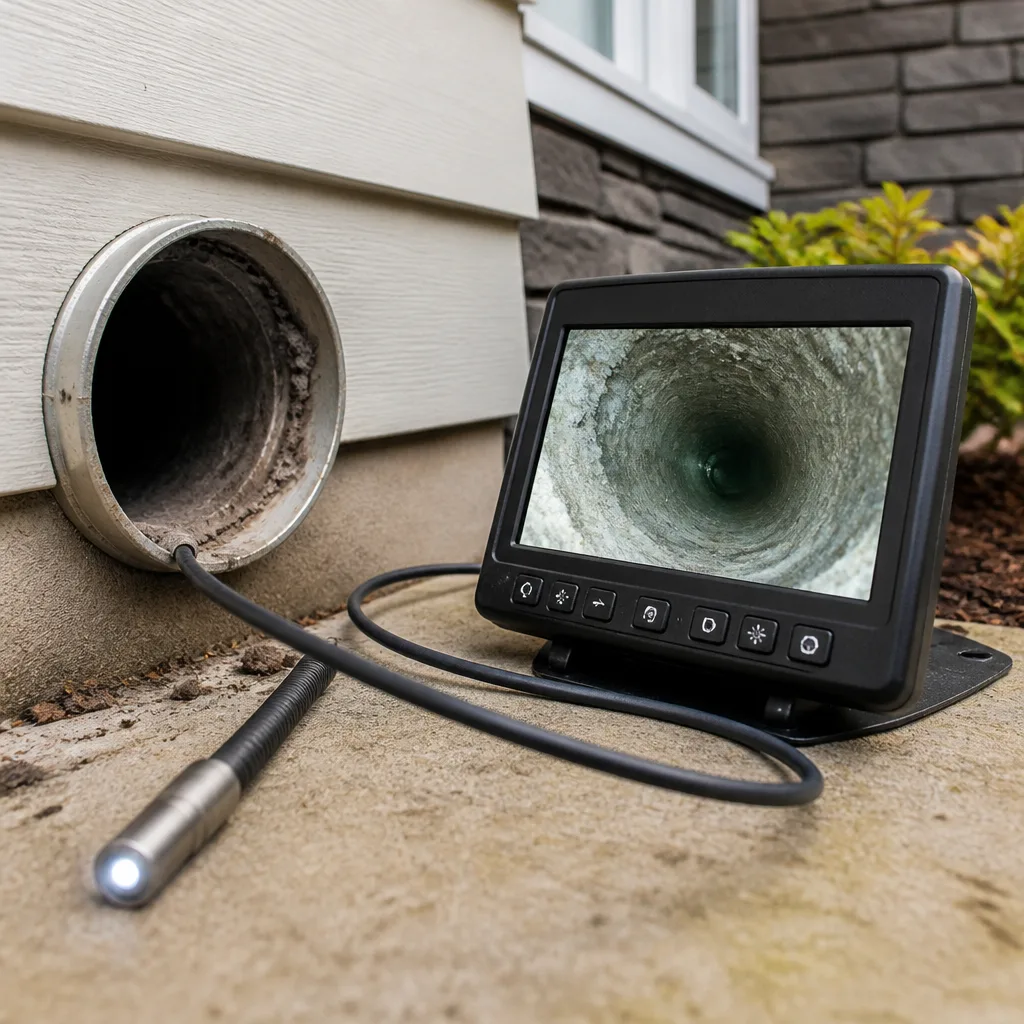 Camera inspection
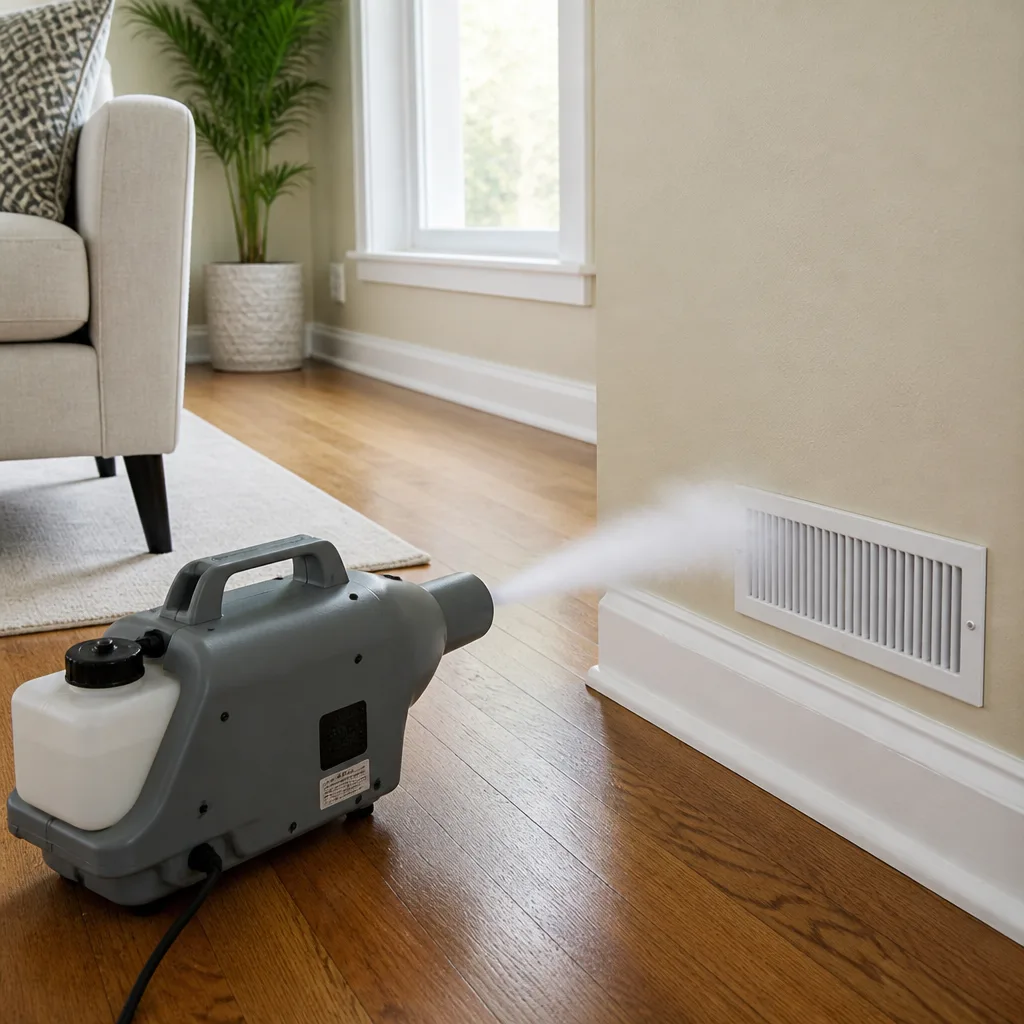 Sanitizing & deodorizing
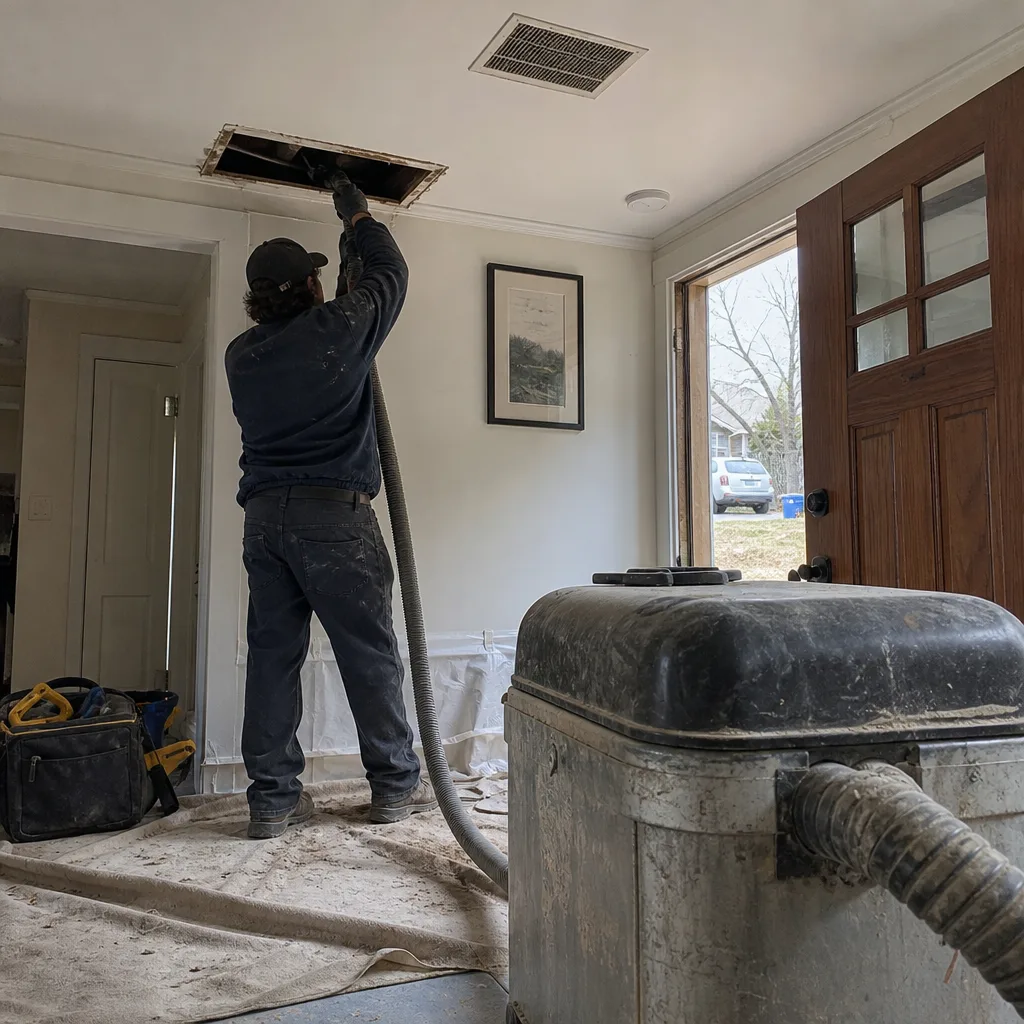
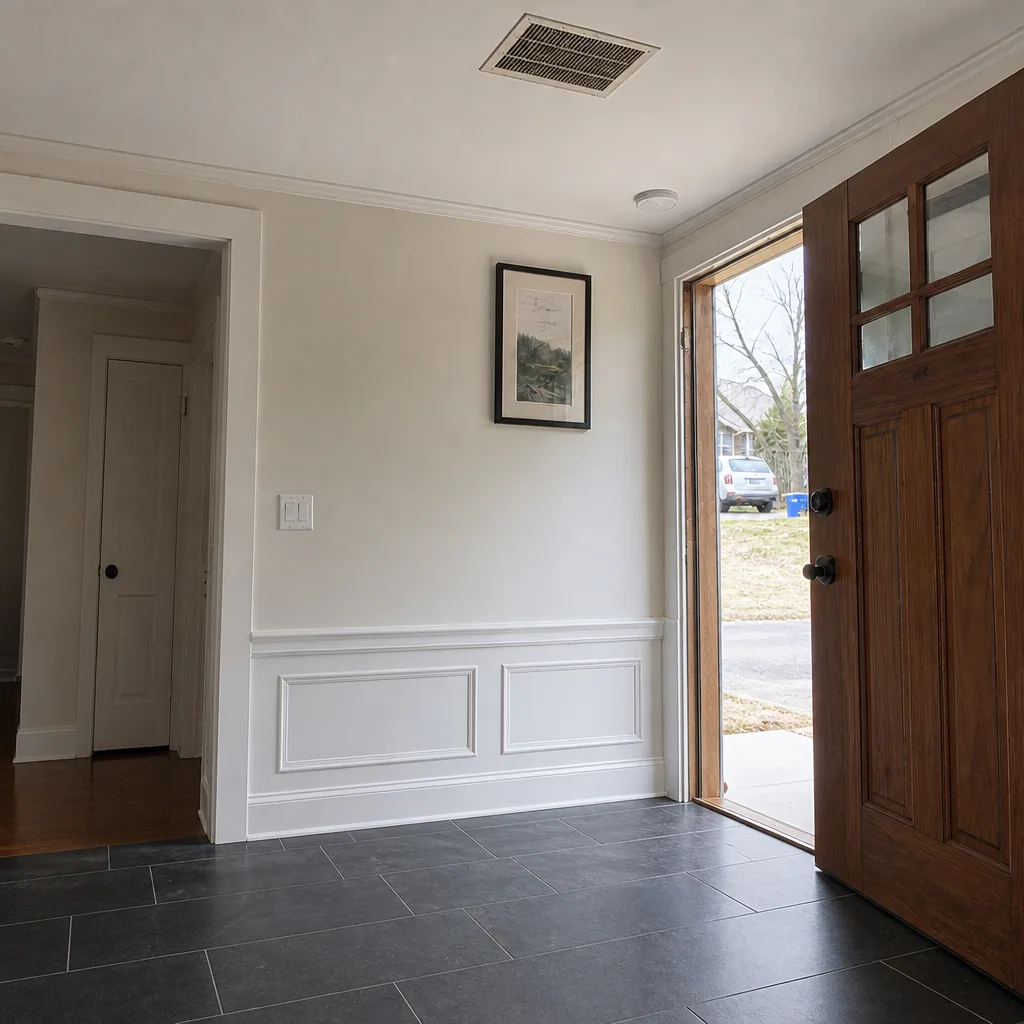
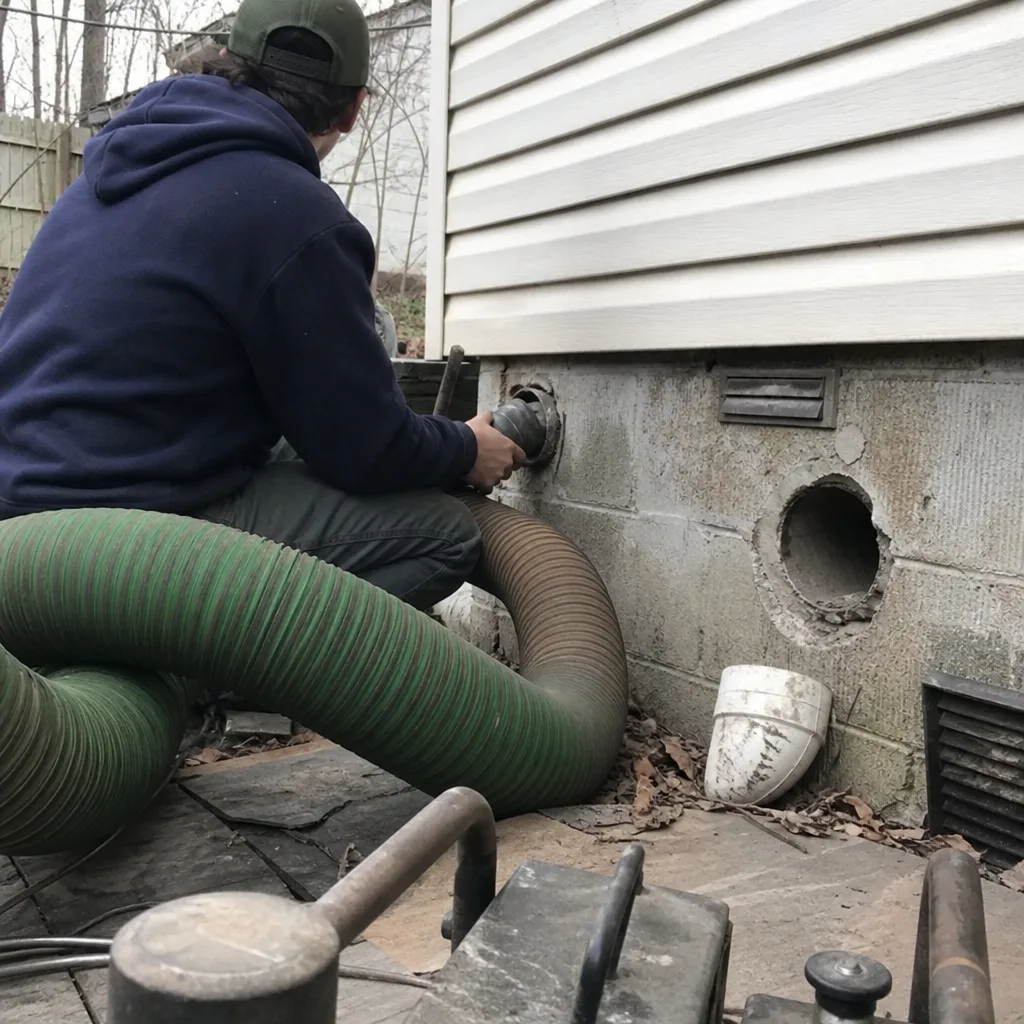
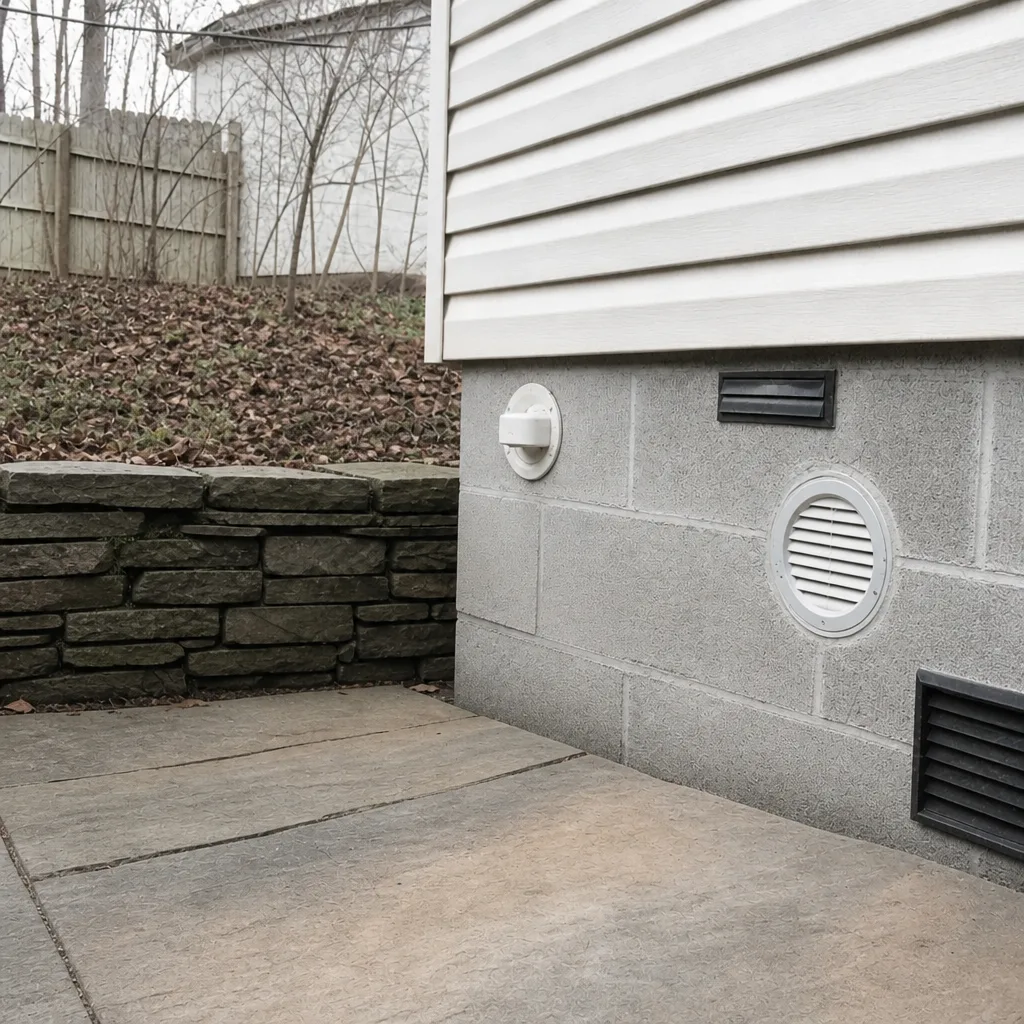
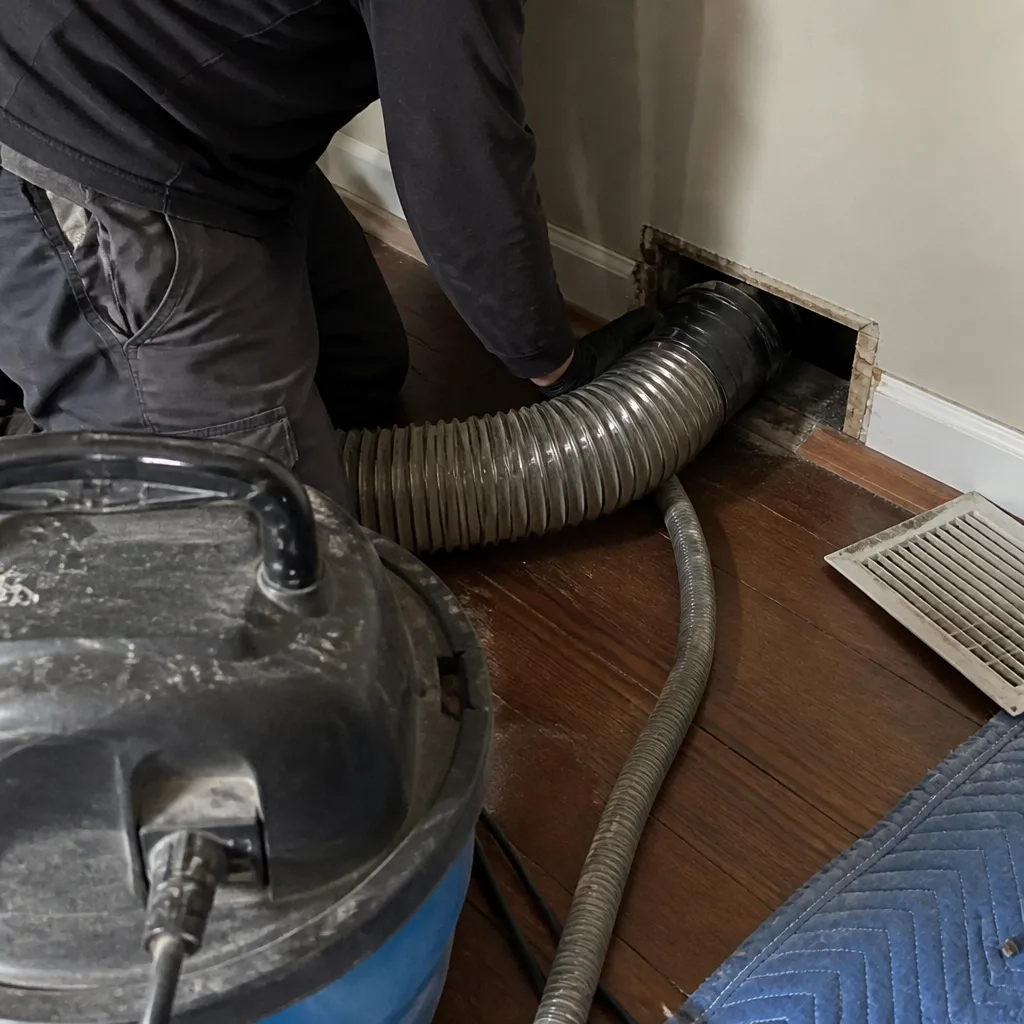
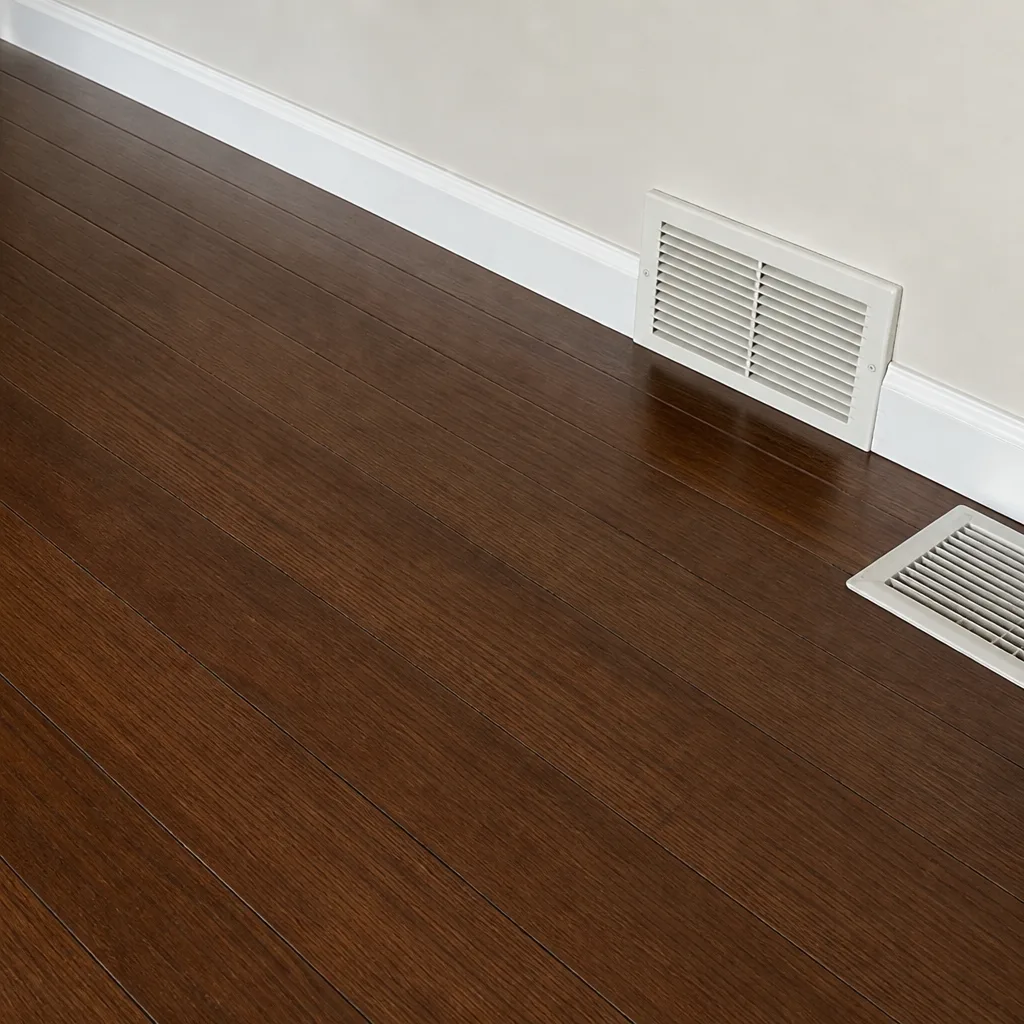
Whole-system duct and dryer vent check with before-and-after photos - you see exactly what came out of your vents
That "$99 whole-house special" is a bait ad - the real number appears once they are in your hallway, or the "clean" is a shop-vac at the register. We photograph the inside of your ducts before and after instead.
Choosing the Right Air Duct Cleaning Brand: A Buyer’s Guide for Raleigh
When a duct cleaning company says they use “professional equipment,” that phrase covers a range from credible truck-mounted negative-air systems to repurposed shop-vacs with longer hoses. And the company is counting on you not knowing the difference. Most homeowners in Raleigh never ask what machine will actually be in their hallway, because the language on most websites is designed to keep that question from forming. This guide changes that. We’re going to explain the actual engineering behind the equipment names you see – Rotobrush, Nikro, Abatement Technologies – so you can match a system to your specific duct problem instead of assuming every “professional setup” is equivalent. By the end, you’ll know what to ask, what the answers reveal, and how to read a quote the way a technician reads it.
Styles & brands we work with
- Whole-home duct cleaning
- Dryer vent cleaning
- Camera inspection
- Sanitizing & deodorizing
Quick Answer
The right air duct cleaning brand in Raleigh is the one that can explain which equipment it uses and why it fits your ducts – not just that the equipment is “professional.” A credible provider runs source-removal vacuum systems (like Nikro HEPA units), agitation tools that dislodge compacted debris (like Rotobrush brush systems), and containment equipment that keeps loosened particles from recirculating through your home. If a company can’t name its systems and describe how they work together, you haven’t found a specialist yet. Jasper Duct Cleaning uses all three categories and pairs them with genuine repair capability, because cleaning ducts that are damaged or leaking only solves half the problem.
Table of Contents
- Why the Brand Behind the Equipment Matters
- What Rotobrush Systems Actually Do
- What Nikro Negative-Air Machines Are Built For
- What Abatement Technologies Equipment Addresses
- Why Owning Multiple System Types Signals Diagnostic Skill
- The Questions to Ask Any Raleigh Duct Company
- Matching Equipment to Your Duct Problem
- Common Mistakes to Avoid
- When to Call a Professional
- Frequently Asked Questions
- The Bottom Line
Why the Brand Behind the Equipment Matters
The name on the machine tells you what the machine was engineered to do. That’s the whole reason equipment brands matter to a homeowner. A tool built for commercial remediation is designed around a different standard of containment and filtration than a tool built for light residential touch-ups, and the company that owns the heavier equipment is usually the one that has thought harder about where the debris goes.
In Raleigh, this distinction shows up in specific ways. Many homes here sit on crawlspaces or in older neighborhoods where duct systems have been extended, patched and rerouted over years of renovations. The ducts in a 1950s bungalow inside the Beltline and the flex-duct runs in a newer build out toward Brier Creek present different problems: one tends to hold decades of settled debris and loose joints, the other tends to have long flexible runs where airflow drops off and dust collects at the low points. A single lightweight vacuum method doesn’t handle both well. Equipment built for source removal and agitation does, because it can be adapted to the duct type in front of it.
There’s also the matter of what stays in the air during the job. Cleaning dislodges debris by design. Without negative-air containment and HEPA-rated filtration, some of that loosened material can find its way back into living spaces while the work is happening. That’s not a scare tactic – it’s just how air behaves when you disturb it. The right equipment captures particles at the source rather than letting them drift. And it’s why we lead with “we repair what others only clean” – the equipment we choose is built to fix the system, not just pass a vacuum through it.
What Rotobrush Systems Actually Do
Rotobrush systems combine a rotating brush with simultaneous vacuum extraction. The brush head travels inside the duct and mechanically agitates the walls, dislodging compacted dust and debris that has bonded to the surface. At the same time, the vacuum pulls that loosened material out of the run and into a collection system. The two actions happen together, which is the point: agitation without extraction just moves dust around, and extraction without agitation leaves the compacted layer stuck to the walls.
This matters because standard air-whip methods work differently. Air whips use high-pressure air to knock debris loose, and they’re effective on certain duct types – but on ducts with heavy, caked-on accumulation, or on rigid metal runs with rough interior surfaces, agitation gives you something the air alone can’t. The brush actually touches the surface and scrubs it. If your home has never had its ducts cleaned, or if you’ve noticed dust plumes from the registers after the furnace cycles, compacted debris is likely the issue, and brush agitation is the tool designed for it.
Where brush agitation fits in a Raleigh home
- Rigid metal trunk and branch lines where debris has bonded to the walls
- Systems that have gone many years without service
- Homes near major roads or construction, where fine particulate settles and compacts
- Renovation aftermath, when drywall dust and sawdust get pulled into return runs
The rotating brush doesn’t suit every duct. Flexible duct with sharp bends needs a careful approach, and a trained technician adjusts the tool and pressure to the run rather than forcing one head through the whole system. That judgment is part of what you’re paying for when you hire a specialist instead of a one-method operation. When we quote air duct cleaning in Raleigh, the equipment choice is set by what the ducts actually need, not by what happens to be in the truck.
What Nikro Negative-Air Machines Are Built For
Nikro negative-air machines are engineered around HEPA-rated source removal. They create negative pressure in the duct system and capture particulates at the source as they’re disturbed, so contamination doesn’t cross into the surrounding environment during cleaning. This is the same discipline used in restoration and remediation work, where the whole objective is to control where airborne particles travel while you’re removing them.
When does that matter more than standard cleaning? Several situations:
- When a home has occupants with allergies or respiratory sensitivity, and fine particulate needs to be captured rather than merely displaced
- When there’s visible mold-like growth or musty odor in the system and contamination levels are uncertain
- When a recent renovation or pest issue has introduced material into the ducts that you don’t want redistributed
- When a home has been closed up for a stretch of hot, humid weather – central North Carolina summers put a lot of moisture into the air, and duct interiors in conditioned spaces can stay damp enough for biological growth to take hold
HEPA filtration is rated to capture particles at a very fine scale, which is what separates a source-removal vacuum from a shop-vac with a filter bag. The difference shows up in what’s floating in your living room mid-job, and in how much of the loosened debris actually leaves the system versus resettling. “Professional-grade equipment, residential pricing” is the way we frame it: the tooling is built for commercial work, and it’s applied to ordinary homes that deserve the same standard of care.
What to look for in a source-removal setup
- HEPA-rated filtration on the collection unit, not just a dust bag
- Negative pressure maintained on the duct system throughout the job
- Collection outside the breathing zone, with hoses routed away from occupied rooms
- Sealed connection points so the vacuum pulls from the ducts instead of your hallway
What Abatement Technologies Equipment Addresses
Abatement Technologies equipment is built for air scrubbing and containment – controlling the air quality in a work area when biological or particulate hazards are a possibility. In a duct cleaning context, that means negative-air containment discipline on every job: loosened debris stays contained instead of recirculating through the home while the work is underway. It’s the same logic used in professional remediation, where the boundary between “the work area” and “the rest of the building” is managed deliberately.
For a homeowner in Raleigh, the practical effect is easier to picture than the engineering. Someone is going to be working inside your duct system, and the physical act of cleaning will put particles into the air at the point of work. Containment equipment, combined with HEPA source removal, means those particles are captured near where they’re released rather than drifting through rooms where people are sitting. It also means the job can be done without draping the house in plastic, because the containment is engineered instead of improvised.
Containment also supports the repair side of the work. When we close gaps and fix damaged sections, sealing a duct while debris is loose in the system is wasted effort – the debris just finds the new opening. Running containment and source removal first, then repairing, then verifying airflow, is the sequence that produces a result you can measure. That’s the “before and after airflow” we talk about: a tangible change at the registers, not a vague claim about cleaner air.
If you’re comparing providers across Raleigh, ask whether they run containment equipment on a routine residential job or only bring it out for special cases. The answer tells you what their default standard of care looks like.
Why Owning Multiple System Types Signals Diagnostic Skill
A company that owns one machine has one answer. A company that owns several system types has to diagnose before it can clean, and diagnosis is where real value sits. When the equipment lineup includes brush agitation, HEPA source removal and air containment, the technician’s first job becomes figuring out which combination your ducts need. That’s a fundamentally different starting point than “we’ll run the air whip through everything.”
Think about the range of duct systems in a city like Raleigh. Mid-century homes with original metal ductwork. Renovated homes where a heat pump was swapped in and flex duct replaced part of the system. Newer construction out toward Wake Forest or Holly Springs with long, sealed runs and tight returns. Each of those needs a different approach, and a technician who can change tools mid-job makes better decisions than one who can’t.
There’s an honesty test buried here too. Ask a company which equipment they use and why. If the answer is a single method applied universally, you’ve learned that the company either can’t adapt or hasn’t invested in the ability to. If the answer walks through duct type, debris condition and containment, you’re talking to a specialist. We work across Honeywell, Aprilaire and Guardsman air-quality components because compatibility matters: the cleaning and repair work has to sit inside the system you already own rather than assuming you’ll replace parts. We’re a duct specialist that diagnoses, cleans and repairs – not a cleaning-only crew that stops at the vacuum step.
What the lineup reveals about operational standards
- A multi-system shop has to train technicians across tools, which raises the skill floor
- It can handle contamination scenarios a single-purpose crew would have to decline or improvise
- It can repair duct damage it finds instead of subcontracted patching or a recommendation to replace
- It can match the method to the duct type, which protects flexible runs that aggressive tools would damage
The Questions to Ask Any Raleigh Duct Company
You don’t need to become an equipment expert to screen a provider. You need a short list of questions whose answers reveal how the company operates. Ask these on the phone before anyone comes out, and listen for whether the answers are specific or vague.
- What equipment will you use, and can you explain why it fits my ducts? A credible answer names the system types and connects them to what your home needs – brush agitation for compacted debris, HEPA source removal for filtration, containment for air quality during the job.
- How old is the equipment and how is it maintained? Older machines that haven’t been serviced lose suction and filtration performance. Companies with real operational discipline can tell you about their maintenance schedule.
- What CFM rating does your vacuum pull? CFM, or cubic feet per minute, is a measure of airflow. It’s one indicator of whether a vacuum can actually move air through a full duct run instead of stalling against resistance. You don’t need to benchmark the number yourself – you need to hear whether they know it.
- Do you run containment equipment on a normal residential job? If the answer is “only on request” or “when needed,” press on what determines “needed.”
- Do you inspect and repair duct damage, or only clean? Cleaning a leaking or disconnected duct wastes the cleaning. A provider that can repair what it finds saves you a second call.
- How do you show the work was done? Before-and-after photos of your own ducts, plus airflow readings, are the standard worth expecting.
- Is the price flat per system, or does it change once you’re on site? The estimate should be written and set before work starts.
What the answers reveal is operational maturity. A company that can talk about equipment age, maintenance, airflow and containment runs a real shop. A company that deflects with “we use the best equipment” is telling you something too. Our technicians have up to 10 years of experience, and the questions they get asked most often are variations of exactly these – which is fine, because the answers are concrete.
Matching Equipment to Your Duct Problem
Once you understand what each system is designed to do, you can match the equipment to the symptom. Start with what you’ve noticed, then trace it to a likely cause and the tools that address it. This is the diagnostic logic a specialist runs before quoting.
Evidence-based steps
- Note the symptom. Dust plumes at the registers when the system kicks on. Uneven airflow between rooms. A musty or stale odor. Visible debris at return grilles. Worsening allergy symptoms indoors.
- Connect the symptom to a cause. Dust plumes usually mean compacted debris in the runs. Uneven airflow often points to a disconnected or leaking duct. Odor suggests moisture or biological growth inside the system. Visible debris at the return means accumulated material in the return runs.
- Match the tools. Compacted debris needs brush agitation plus source removal. Leaking or disconnected ducts need repair, which cleaning alone can’t fix. Odor or moisture issues need HEPA source removal and containment to prevent redistribution while the problem is addressed.
- Verify the outcome. After the work, airflow at the registers should change measurably, and before-and-after photos should show the difference inside your own ducts.
This is also where dryer vent cleaning separates itself from duct cleaning as a distinct service. Dryer vents are a fire-safety concern with their own process and urgency, and they should be handled as such rather than tacked onto a duct job as an upsell. A provider offering all three services – cleaning, repair and dryer vent work – with its own equipment is structurally different from one that subcontracts the repair or treats the vent as an afterthought.
Local conditions shape the matching, too. Raleigh’s hot, humid summers mean the air conditioning runs hard for months, and a system under constant load accumulates more debris in the return side. Mild winters mean the heating side runs less, which can leave debris undisturbed and compacted in heating runs until the first cold snap. If your home sits near the Beltline or along one of the larger arterials, road dust adds to the load. If you’ve just moved into a renovated home in Five Points or Boylan Heights, construction dust likely made it into the returns. The right provider reads those signals and picks the tools accordingly.
Common Mistakes to Avoid
- Accepting “professional equipment” as an answer. That phrase covers truck-mounted negative-air systems and repurposed shop-vacs alike. Ask for the system type and how it works before you book.
- Hiring a cleaning-only crew when your ducts are damaged. If a duct is disconnected or leaking, cleaning it just blows debris into the space around it. In older Raleigh neighborhoods, duct damage from renovations and settling is common – make sure the provider can repair what it finds.
- Skipping the repair scope on the quote. A quote that covers only vacuuming will stop at the vacuuming. If the provider can’t inspect and repair, you’ll be calling someone else before long.
- Letting a provider treat dryer vents as an add-on. A clogged dryer vent is a fire-safety issue with its own process. If it’s being framed as a cheap add-on, the safety framing has already been lost.
- Not asking how the work is verified. A provider that can’t show before-and-after photos of your own ducts is asking you to take the work on faith. Airflow readings and photos are the standard.
- Accepting a low teaser price without knowing what’s covered. A price that isn’t flat per system tends to grow once the technician is on site. Ask for a written estimate that sets the price before work starts.
- Ignoring odor and moisture signals in a humid climate. Central North Carolina’s humidity means a system that stays damp can develop problems that cleaning alone won’t fix. HEPA source removal and containment matter when the issue is more than dust.
When to Call a Professional
Certain situations call for a trained provider rather than a cautious wait. If your registers puff dust when the system starts, if airflow to some rooms has dropped noticeably, if you smell something musty when the heat or air runs, or if you’ve just bought a home and don’t know when the ducts were last serviced, it’s worth a look. After a renovation, when drywall dust and construction debris have been pulled into the returns, professional source removal and containment are the fix. If anyone in the house is dealing with worsening indoor allergies, a proper cleaning with HEPA filtration is the right starting point. Dryer vent cleaning is separate but equally worth scheduling on a routine basis – a clogged vent is a fire risk, and it’s a safety issue rather than an optional extra. Jasper Duct Cleaning offers free estimates in Raleigh – call (844) 834-2817. We answer 24/7. Fast dispatch from 7am to 7pm, Sunday through Friday.
Frequently Asked Questions
A credible provider uses a combination: agitation tools like Rotobrush brush systems to dislodge compacted debris, HEPA-rated source removal vacuums like Nikro machines to capture what’s loosened, and containment equipment to keep debris from recirculating during the job. The combination matters more than any single tool. Ask the provider to name the systems and explain why they fit your ducts. Call (844) 834-2817 for an exact quote – estimates are free.
Most whole-home duct cleanings in the Raleigh area fall within a typical estimated range, and the final price is set by a written estimate after the provider inspects your system – it’s priced per system, not per vent. Prices vary with system size, duct condition, and whether repair or containment work is needed. The written estimate is what sets the final price, so ask for it before work starts. Call (844) 834-2817 for an exact quote – estimates are free.
A very low quote usually reflects lighter equipment and a shorter process – often a single method applied to every duct, with no agitation, no HEPA source removal, and no containment. That’s not always dishonest, but it’s a different service. The reason the industry has a bait-and-switch reputation is that cheap quotes sometimes grow once the technician is on site. The fix is a flat price per system agreed in writing before work begins, plus before-and-after photos of your own ducts. Call (844) 834-2817 for an exact quote – estimates are free.
Ask for before-and-after photos of your own ductwork and for airflow readings at the registers. A provider that can show the change inside your system is accountable; one that can’t is asking you to trust a claim. We treat before-and-after airflow as the measurable outcome, not a vague promise about cleaner air. Call (844) 834-2817 for an exact quote – estimates are free.
There’s no fixed schedule that applies to every home. Homes with pets, recent renovations, allergy sufferers, or heavy nearby traffic dust tend to need it more often, and homes near major arterial roads in Raleigh may accumulate debris faster. The better approach is to watch for symptoms – dust at the registers, uneven airflow, odor – and to have a provider inspect before scheduling. Call (844) 834-2817 for an exact quote – estimates are free.
It can help meaningfully when the cleaning is done with HEPA source removal and containment, because it removes accumulated particulate rather than redistributing it. Raleigh’s humid summers can also support biological growth inside damp duct sections, and HEPA-rated cleaning is the right starting point when odor or moisture is present. Airflow and visible debris are the signs to watch. Call (844) 834-2817 for an exact quote – estimates are free.
The Bottom Line
Equipment names mean something. Rotobrush brushes agitate and scrub compacted debris off duct walls. Nikro HEPA machines capture particles at the source. Abatement Technologies equipment keeps loosened material contained while the work happens. A provider that owns all three can diagnose your ducts and match the tools to the problem – a provider with one method can’t. That’s the real difference between brands, and it’s what you should ask about before booking. In Raleigh, where older homes and newer builds present completely different duct conditions, that diagnostic ability matters. Look for a provider that can clean, contain and repair, that sets a flat written price per system before work starts, and that shows you before-and-after photos of your own ducts. Jasper Duct Cleaning runs all three system types, repairs what others only clean, and works inside your existing Honeywell or Aprilaire setup rather than pushing replacements. Call (844) 834-2817 for a free estimate. We answer 24/7. Fast dispatch from 7am to 7pm, Sunday through Friday.
Written by the team at Jasper Duct Cleaning.
See the difference
 Before
 After
 Before
 After
 Before
 After