
Last updated November 15, 2026
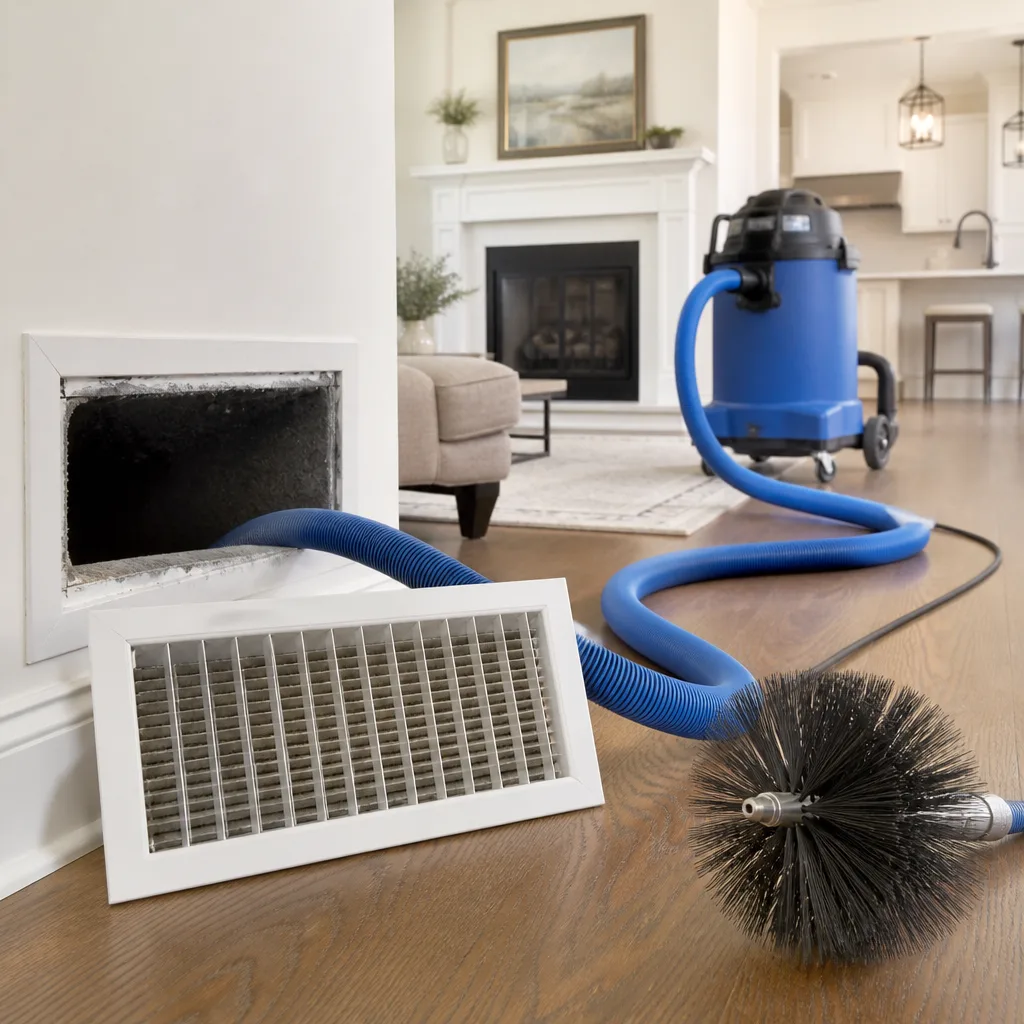 Whole-home duct cleaning
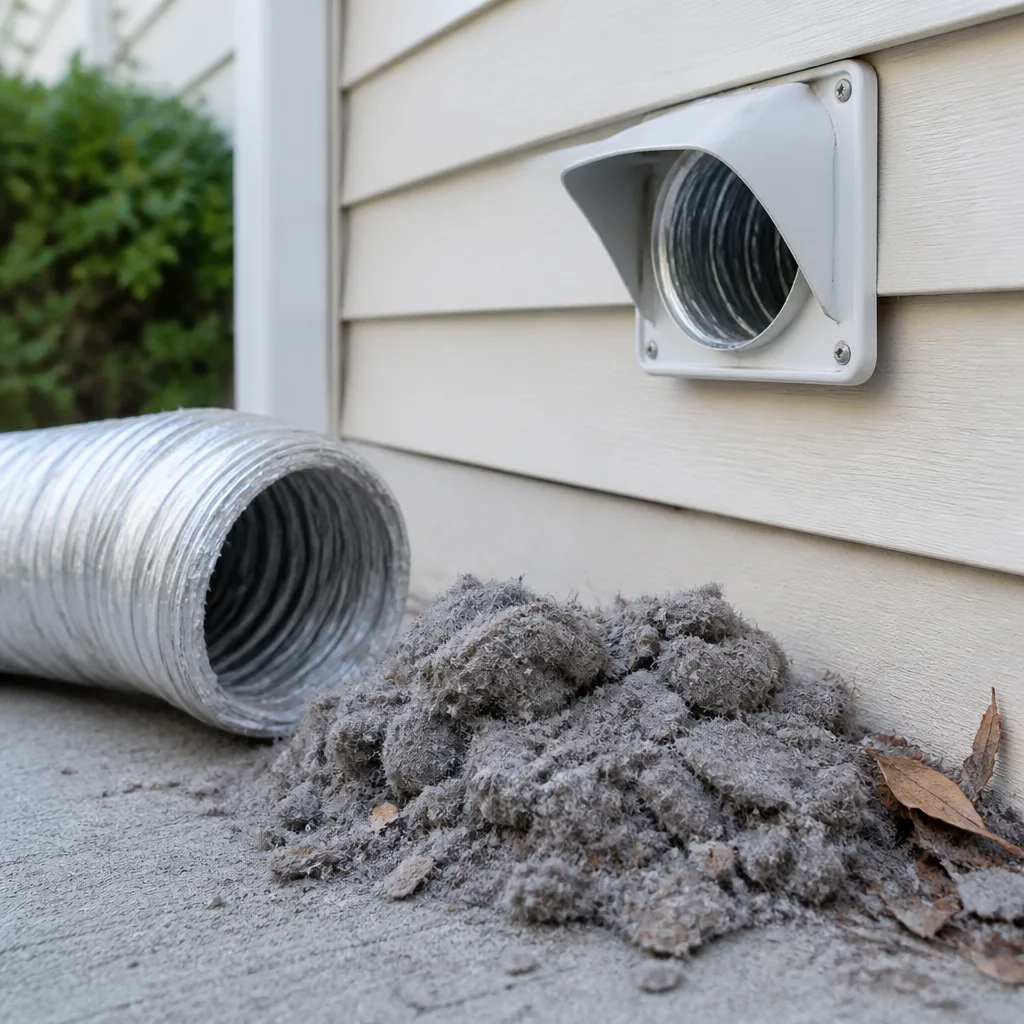 Dryer vent cleaning
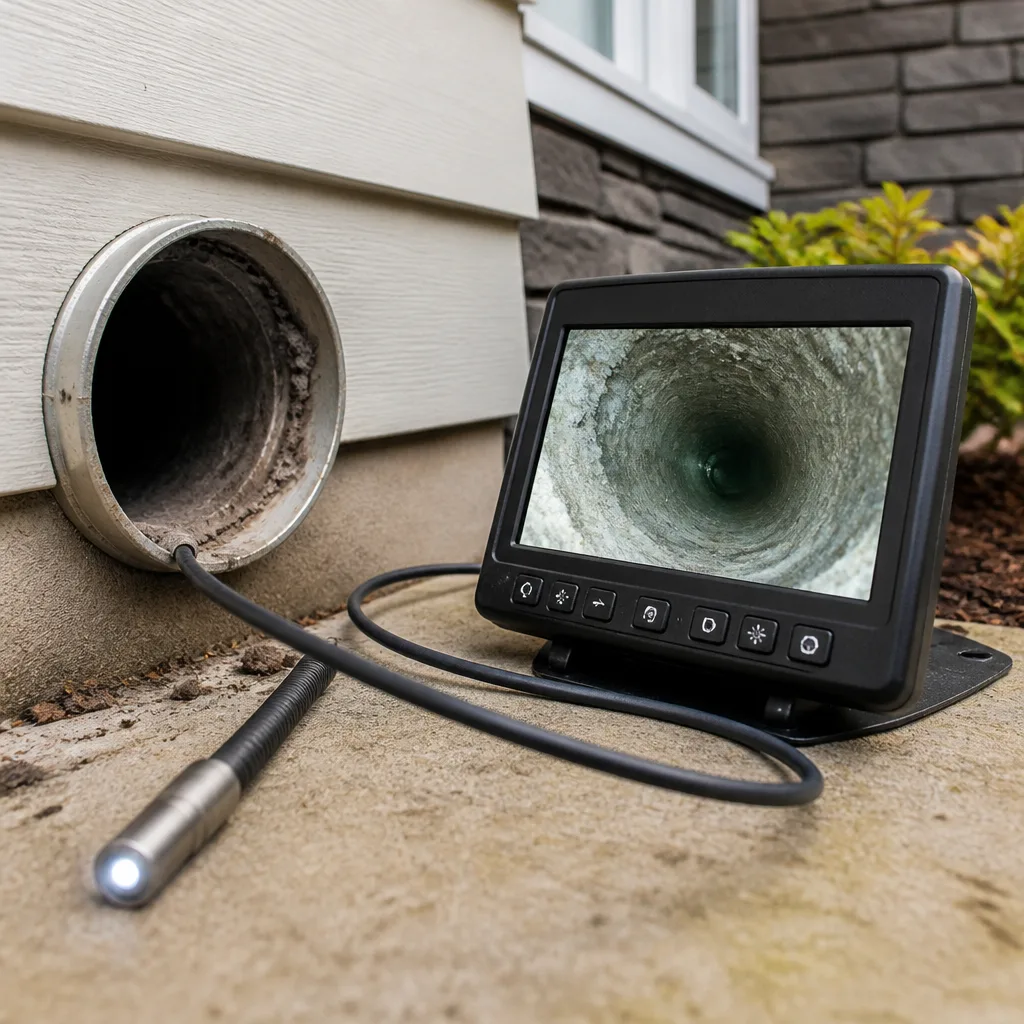 Camera inspection
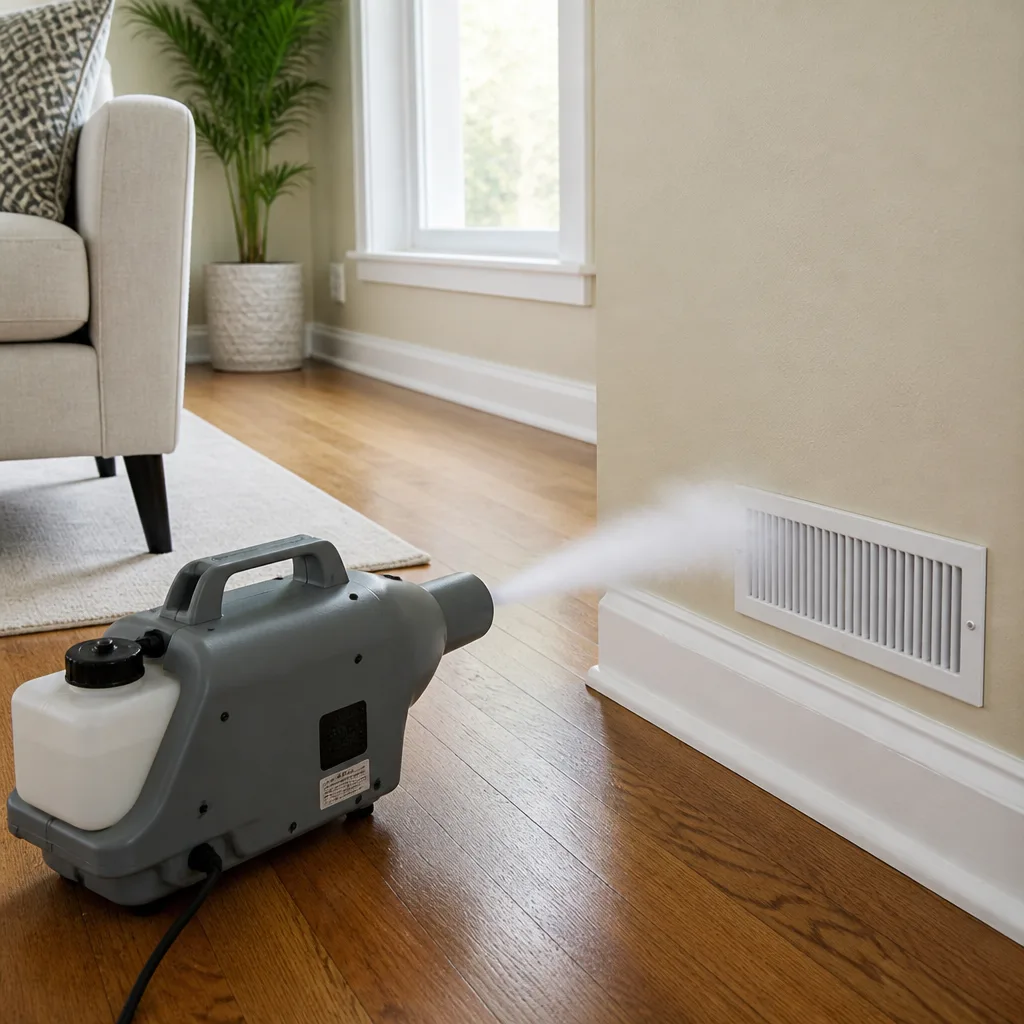 Sanitizing & deodorizing
Whole-system duct and dryer vent check with before-and-after photos - you see exactly what came out of your vents
That "$99 whole-house special" is a bait ad - the real number appears once they are in your hallway, or the "clean" is a shop-vac at the register. We photograph the inside of your ducts before and after instead.
The Complete Guide to Air Duct Cleaning in Raleigh
Here’s the part most people find hard to believe: a shop-vac and a truck-mounted vacuum are not the same tool, yet plenty of companies in Raleigh charge as if they’d used the big one. The difference isn’t marketing. It’s what actually happens inside the duct wall, where the damage lives. In this guide we walk through what a real, full-scope cleaning involves in Raleigh, from the red clay dust that settles into return runs to the humid-season growth that shows up in the southeastern months. You’ll learn how each piece of professional equipment earns its place, how to tell source removal from a surface pass, and why repair capability often decides whether a service call solves anything at all. No scare tactics. Just the process, explained step by step.
Quick Answer
Air duct cleaning in Raleigh is a mechanical process that removes accumulated debris from the inside of the duct system using high-pressure agitation and HEPA-rated vacuum capture running at the same time. A legitimate job follows a source-removal approach: contaminants get dislodged from the duct walls and pulled into a sealed vacuum, not simply loosened and left to recirculate. Anything that only touches the visible openings is surface cleaning, and it won’t change your airflow. The right provider cleans, verifies, and repairs gaps or damage the cleaning exposes.
Styles & brands we work with
- Whole-home duct cleaning
- Dryer vent cleaning
- Camera inspection
- Sanitizing & deodorizing
Table of Contents
- Why Raleigh Ducts Accumulate What They Do
- Source Removal vs. Surface Cleaning: What’s the Real Difference?
- How the Equipment Actually Works, Piece by Piece
- What a Legitimate Inspection Looks Like Before and After
- Why Repair Capability Decides the Outcome
- What a Full-Scope Cleaning Actually Involves, Step by Step
- How Much Does Air Duct Cleaning Cost in Raleigh?
- How Do You Verify the Work Was Done?
Why Raleigh Ducts Accumulate What They Do
Raleigh sits in a region that deposits an unusual mix of material into duct systems, and that mix isn’t the same as what a homeowner in a drier climate deals with. The Piedmont’s red clay is a fine, iron-rich particulate. During dry stretches and summer construction season, that dust gets airborne and gets pulled into return ducts along with standard household dust. It doesn’t stay loose the way sand would. It settles, compacts against the duct wall, and holds moisture. Once that clay-dust mix binds to the metal or flex liner, a simple vacuum pass runs right over it.
Humidity is the second factor. Raleigh summers run humid for months at a stretch, and cool air moving through ducts in that environment produces condensation on interior surfaces. Where dust has already settled, that moisture is enough to support microbial growth. We’re not describing a disaster. It’s a predictable result of a warm, moist climate plus a dark, undisturbed surface. Drier regions see dust accumulate too, but they don’t see the same biological activity.
Pollen rounds out the picture. Raleigh’s long pollen season sends fine particulate into return registers, especially in homes with windows open in spring. That pollen adds a sticky organic layer on top of the clay dust, and it also loads filters faster than homeowners expect. When a filter loads up, more particulate bypasses it and settles further into the system.
Together, these three sources mean Raleigh duct systems tend to hold compacted, moisture-bound debris rather than loose dust. That distinction matters because it changes the equipment required to remove it. If you’ve noticed weaker airflow or a musty odor when the system kicks on, that’s the debris signature we see most often in Raleigh, and it’s why we treat the job as a process rather than a quick pass.
Source Removal vs. Surface Cleaning: What’s the Real Difference?
Source removal means the contaminants are physically dislodged from every reachable surface inside the ductwork and captured in a sealed system before they can escape into your living space. Surface cleaning means someone vacuums the register openings and calls it done. The two look similar from the driveway. They produce completely different results, and only one of them is the standard the industry recognizes.
Here’s how to tell which one you’re buying, before anyone arrives:
- Ask about containment. A source-removal job uses negative-air equipment to keep the work area under sealed pressure so loosened debris doesn’t drift back into the home. If the company can’t describe how they contain the dust, they aren’t doing source removal.
- Ask about agitation. Compacted debris bound to a duct wall will not come off under vacuum alone. It requires a rotating brush or air whip run through the duct interior to break it loose first, with the vacuum running at the same time to catch what’s dislodged.
- Ask for before-and-after documentation of your own system. Photos or camera footage of your ducts, not stock images. A company confident in its process shows the proof without being pushed.
- Ask whether repairs are included. Source removal exposes gaps, separated joints, and damaged liner that surface cleaning leaves buried. A provider without repair capability has to hand you a second problem and leave.
- Ask about pressure readings. A legitimate inspection records static pressure before and after. Numbers move when airflow improves.
The industry term people throw around is NADCA standard, referring to the source-removal methodology the trade association sets. You don’t need to memorize the standard. You do need a provider who can explain, in plain language, how they meet it. When someone describes their equipment and containment method in specific terms, that’s the signal. When the answer stays vague, treat it as one.
How the Equipment Actually Works, Piece by Piece
Professional duct cleaning is a system of tools working in sequence, and each one has a distinct job. Understanding what each does tells you instantly whether a quote reflects a real job or a vacuum with a price tag attached.
Agitation: the Rotobrush system
Compacted debris needs mechanical force to break it free of the duct wall. Rotobrush brush-agitation systems run a rotating brush head through the duct interior, scrubbing the walls and loosening what has bound to them. This is the step that separates source removal from a cosmetic pass. On a Raleigh job where clay dust and pollen have compacted over humid seasons, agitation is not optional. It’s the only way the wall surface actually gets cleaned.
Capture: Nikro HEPA-rated vacuums
Once debris is dislodged, it has to go somewhere. Nikro HEPA-rated vacuum systems capture fine particulate at the source, meaning the material is trapped in a rated filter rather than pushed through the home. HEPA capture is what prevents cross-contamination during the job. Without it, you’ve simply moved the debris into the air you’re breathing while the work happens, which defeats the point. The vacuum runs continuously with the agitation, so what comes off the wall is captured in the same motion.
Containment: Abatement Technologies air-quality machines
Abatement Technologies equipment brings the containment discipline used in professional remediation work to a residential job. These machines maintain negative air pressure in the work zone so any particulate that escapes the vacuum’s capture gets drawn into the containment system rather than recirculating through the house. It’s standard practice in remediation, and it’s what we mean when we talk about cleaning a system without turning your living room into a dust cloud.
Working inside your existing system
Homes that use Honeywell or Aprilaire whole-home filtration setups, or Guardsman components within their HVAC assembly, have specific parts of the system that need to be respected rather than bypassed. We work inside those existing systems, cleaning the ductwork and filtration housings as they were installed rather than suggesting a replacement because the equipment is unfamiliar. That’s how a cleaning job stays a cleaning job instead of turning into an upsell. For a deeper look at the service itself, see our air duct cleaning page.
What a Legitimate Inspection Looks Like Before and After
An inspection is a set of measurements and observations, not a peek through a register. It happens twice: once before cleaning to establish a baseline, once after to confirm the result. Here’s what a real one includes.
- Identify camera access points and branch layout. The technician maps where the trunk lines run, where branches split off, and where a camera can enter to view the interior. This is how you see what’s actually in the duct rather than guessing.
- Record static pressure. Static pressure readings tell you how hard the blower is working to push air through the system. High readings point to restriction, which can come from loaded filters, closed dampers, or resistance inside the ductwork. Taking the reading before cleaning gives you a number to compare.
- Inspect the duct interior with a camera. This is where the technician sees compaction, moisture staining, or gaps at the joints that no one knew were there.
- Check the filtration and blower components. A loaded filter, a fouled blower wheel, or debris in the return plenum affects performance as much as dirty duct walls do.
- Repeat the pressure reading and camera check after cleaning. Numbers move, and the after-inspection confirms the debris is actually gone.
The after-inspection is what most homeowners never see. A company that documents both passes has evidence of the result. A company that skips the second pass is asking you to take its word. Static pressure alone isn’t a perfect measure, but comparing it before and after is far more useful than a vague promise about cleaner air.
Why Repair Capability Decides the Outcome
Cleaning a duct system reveals what’s wrong with it, and what’s wrong is often not debris. Gaps at the joints, separated sections where flex duct has pulled loose, sagging runs, and damaged liner all leak air. A leaking duct sends conditioned air into a crawlspace or attic instead of a bedroom. You’ve cleaned the ducts and your system still underperforms because it’s losing a portion of the air it’s moving.
This is where most duct cleaners reach the edge of their capability. They clean, they find damage, and they refer you elsewhere, which means a second contractor, a second appointment, and a second invoice. Repair capability changes the equation. When a technician can close gaps, reconnect separated sections, and restore the duct’s integrity, the service call actually resolves what prompted the call in the first place. That’s the difference between cleaning and restoration.
In Raleigh homes, the repair work tends to cluster around two things. Bent or crushed flex duct in tight crawlspaces and attic runs is common, and it happens when the duct is installed tightly or later disturbed by other trades moving through the space. Separated joints at attic transitions are also frequent. Both are found during the inspection phase and both compromise airflow and efficiency. If a company can’t close a gap, the cleaning brings you a diagnosis without a solution. We repair what others only clean, which is why we carry the tools and the know-how on the same visit rather than treating repair as a separate product.
What a Full-Scope Cleaning Actually Involves, Step by Step
This is the sequence a full-scope cleaning follows. Every step has a purpose, and skipping one changes the outcome.
- Pre-inspection and baseline measurements. Camera access points identified, static pressure recorded, filter and blower condition checked.
- Contain the work zone. Negative-air equipment drawn into position so the work area stays under pressure for the whole job.
- Set the vacuum. HEPA-rated capture connected at a central point on the trunk to pull the full system under vacuum.
- Agitate the ducts branch by branch. Rotobrush agitation runs each run, dislodging compacted clay dust, pollen residue, and moisture-bound debris from the duct walls.
- Clean registers, returns, and the plenum. The visible components get cleaned to match what’s happening inside the ductwork.
- Inspect for damage. Camera pass reveals gaps, separated joints, and crushed runs. Repair work is scoped and performed.
- Post-inspection and after-readings. Static pressure re-checked, camera pass repeated, before-and-after images documented.
A cleaning that skips the containment step turns loose debris back into your air. One that skips agitation only moves the surface layer. One that skips the second inspection leaves you with no proof. All three steps are non-negotiable in a job that actually does what it claims.
How Much Does Air Duct Cleaning Cost in Raleigh?
Air duct cleaning in Raleigh typically runs $290 to $520 for a standard whole-home system, with the price set per system rather than per vent. Larger homes with multiple air handlers, or jobs that turn up damaged ductwork requiring repair, land at the higher end. The exact number depends on your home’s layout, the number of runs, system configuration, and whether repairs are needed once the inspection reveals what’s there. The written estimate sets the final price before any work begins, and the estimate itself is free.
A typical cost structure looks like this:
| Scope | Typical Range |
|---|---|
| Single-system duct cleaning (per system) | $290-$520 |
| Multi-system home (second air handler) | Add a per-system amount quoted in the estimate |
| Duct repair found during inspection | Quoted per repair in the written estimate |
| Pre-cleaning inspection with camera and pressure readings | Included |
| Post-cleaning verification with before-and-after photos | Included |
The reason we price per system and not per vent is straightforward. A per-vent price invites the bait-and-switch pattern the industry is known for: a low teaser price that grows once the technician is on site and adds charges for “extra” vents or a second air handler. One flat price per system, agreed before work starts, removes that possibility. You know the number before anyone touches a register. If you’re weighing quotes and one is dramatically cheaper, that gap is your first clue something in the process is being skipped.
How Do You Verify the Work Was Done?
You verify it with your own system’s evidence, not a verbal assurance. The right documentation shows your ducts before and after with camera images or photographs, the static pressure readings taken on both passes, and a written summary of what was found and what was done. Before-and-after airflow is a measurable outcome when the readings are recorded. If a company can’t produce the documentation, you have no way to know what actually happened inside the duct.
Ask for the after-inspection images of your own system specifically. Generic stock photos don’t tell you anything about your home. A company that documents each job knows this and shares it without a fight. It’s also a useful gut check on the quote you’re considering: if the process is real, the proof is available and the equipment is named. If the story is thin, the documentation request will get deflected.
What about dryer vents?
Dryer vents are a separate safety service with their own process, and they shouldn’t be folded into a duct plan as an afterthought. Lint accumulation in a dryer vent is the leading appliance-related cause of residential fires in US homes, and the fix is straightforward maintenance that happens before anything builds up to a dangerous level. A dryer vent cleaning is its own job with its own inspection, not a line item bundled in to pad a duct quote. We treat it that way. Our dryer vent cleaning service covers the full run of the vent, not just the lint trap. If your dryer takes unusually long to dry or the exterior vent flap doesn’t open properly, that’s the moment to schedule the service.
Common Mistakes to Avoid
- Buying on price alone. A quote far below the Raleigh range almost always reflects a surface clean rather than a source-removal job. The price gap is the tell that containment, agitation, or verification is being dropped.
- Accepting a per-vent pricing structure. Per-vent pricing invites creep once the technician arrives and “discovers” extra vents or a second system. A per-system price agreed in advance keeps the number fixed.
- Skipping the pre-cleaning inspection. Without baseline pressure readings and a camera check, you have nothing to compare against. That baseline is how you confirm the job did what it claimed.
- Letting a company clean without repairing. If the inspection turns up gaps, separated joints, or crushed flex duct, a cleaning-only provider will leave those leaks in place and hand you the diagnosis as a problem to solve elsewhere.
- Assuming pollen season doesn’t matter. Raleigh’s long pollen season loads return filters far faster than people expect. A filter change schedule built for a drier region will leave particulate bypassing the filter and settling deeper into the system.
- Treating the dryer vent as an optional add-on. Lint accumulation is a fire-safety issue and a separate service with its own process. It’s not a checkbox to bundle at a discount.
- Accepting vague equipment descriptions. If the provider won’t name the equipment and explain how containment works, they’re asking you to trust a story rather than a method.
See the difference
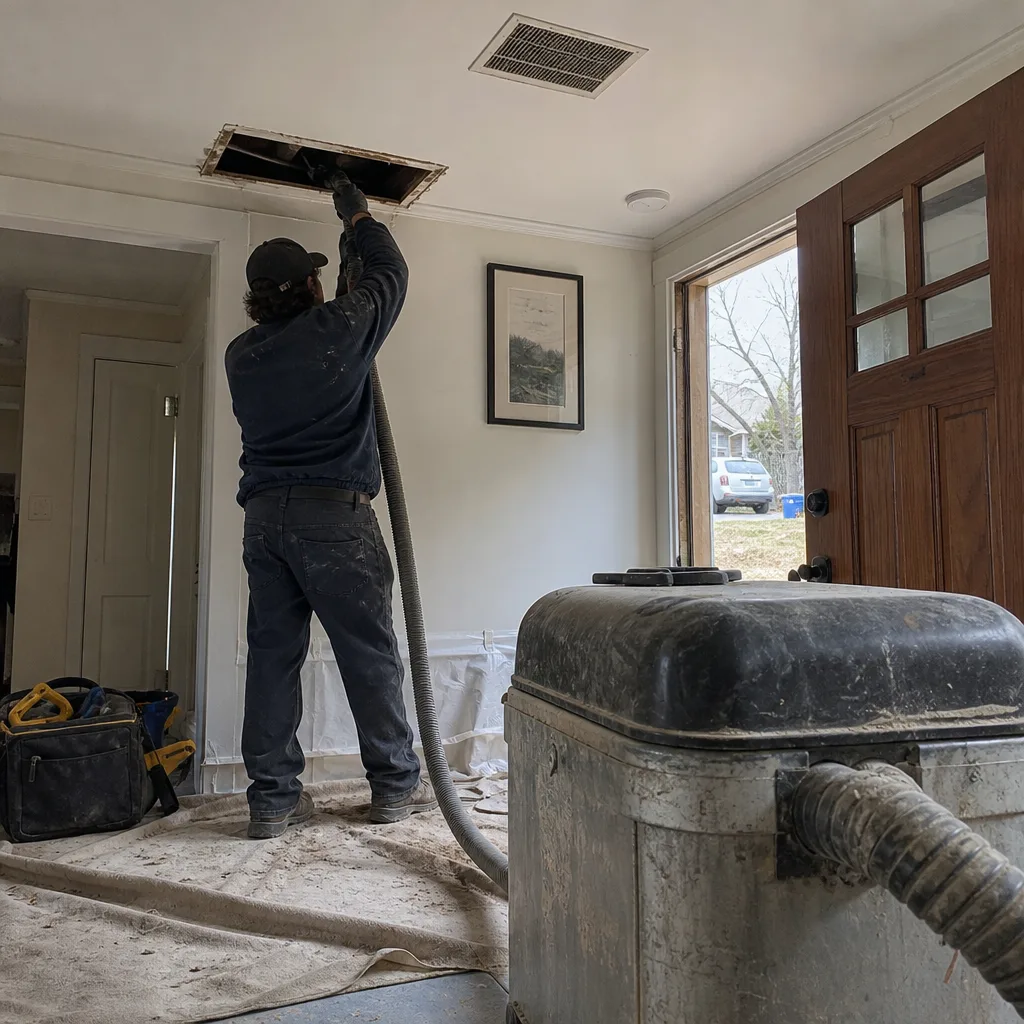 Before
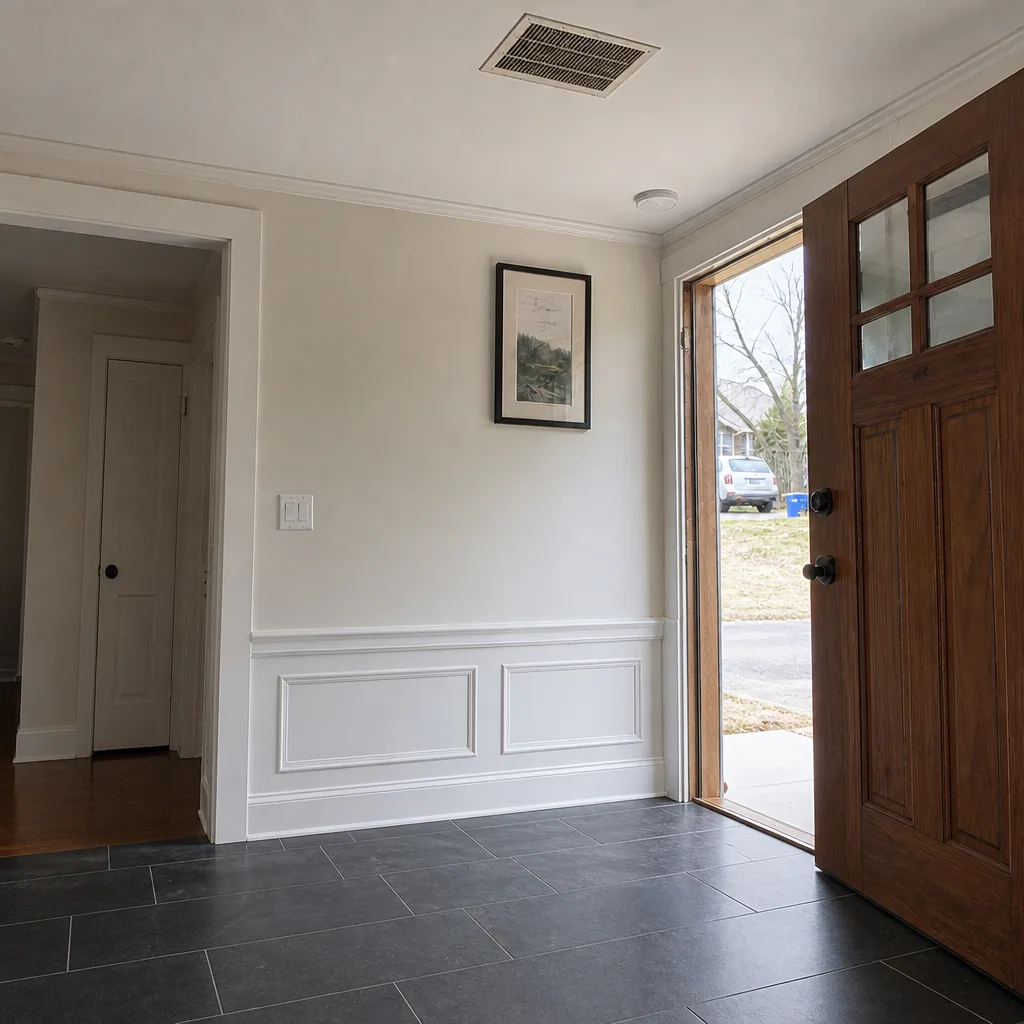 After
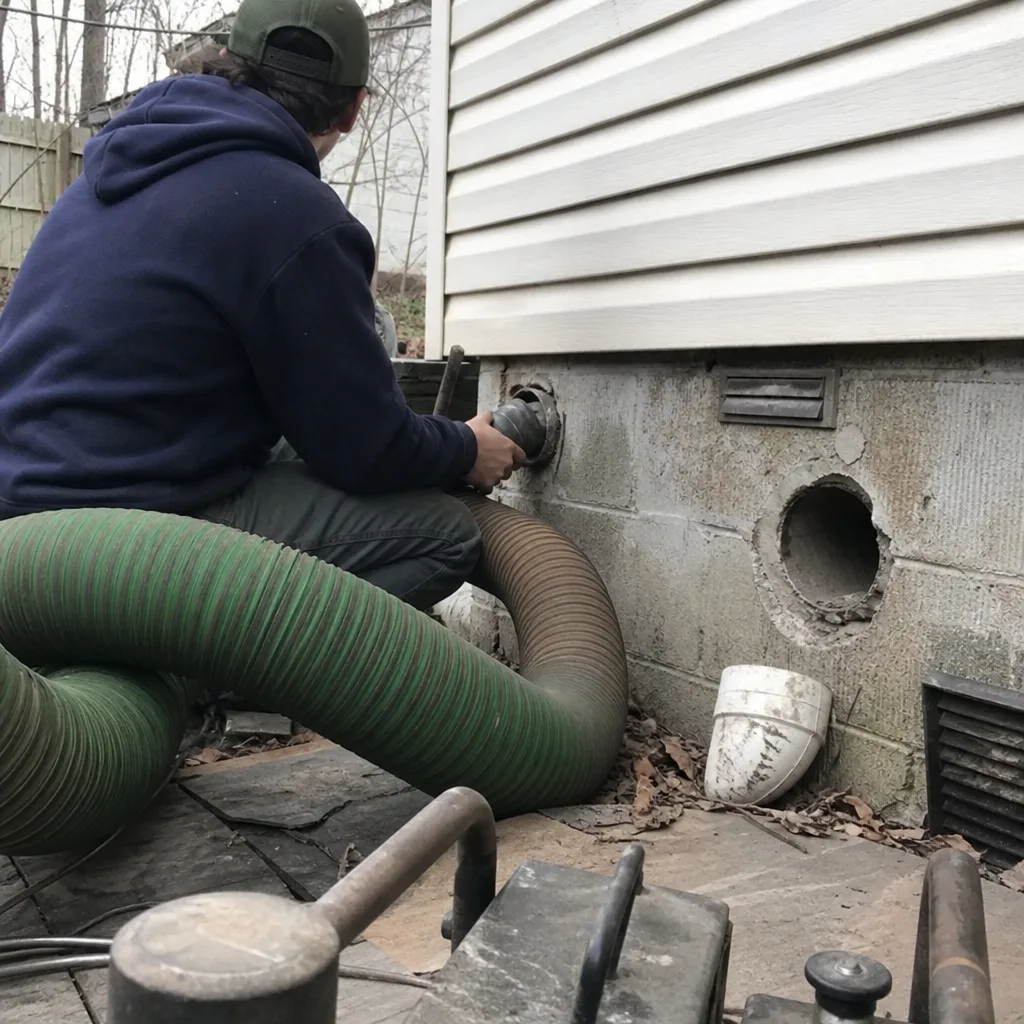 Before
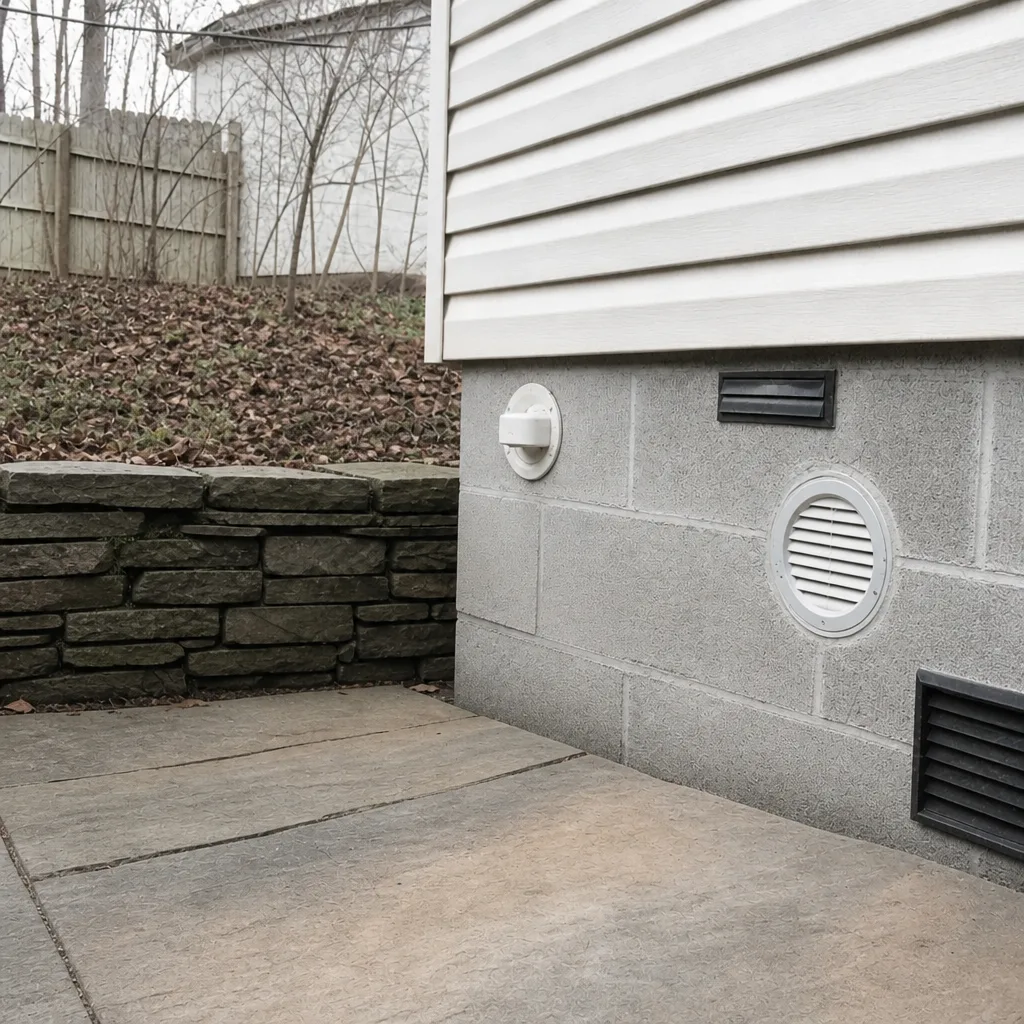 After
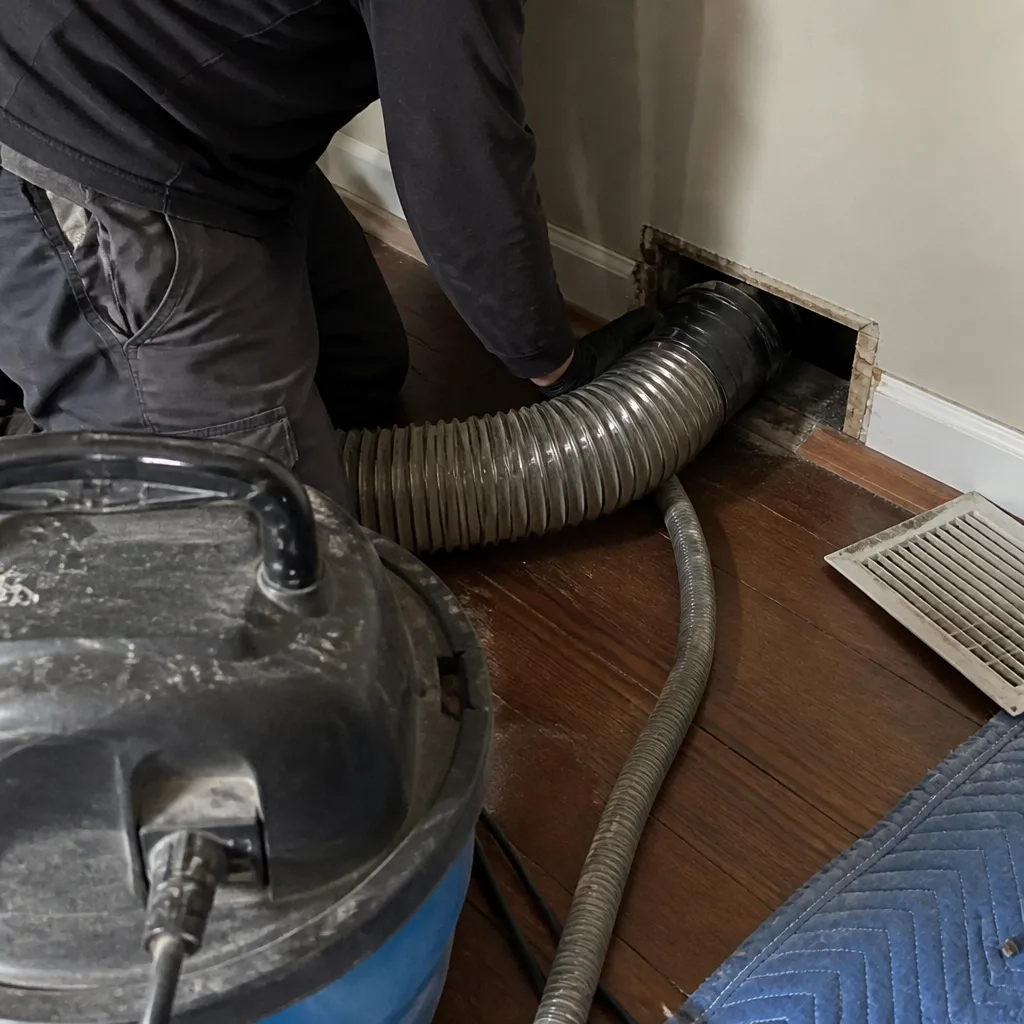 Before
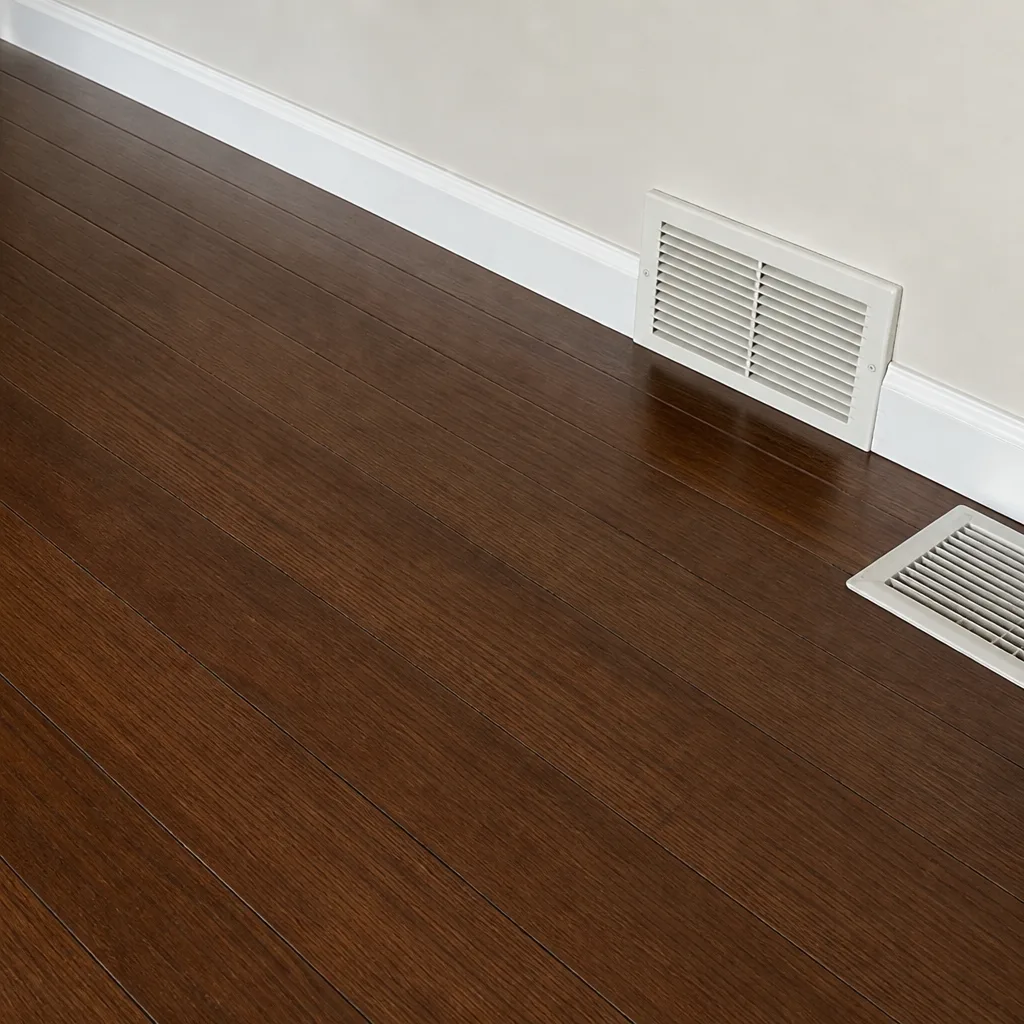 After
When to Call a Professional
Some signs point clearly to a professional call. Visible dust blowing out of registers when the system starts is one. A musty or stale odor that appears the moment the air handler kicks on is another, and in Raleigh’s humid climate it’s often a sign of moisture-bound growth inside the ductwork. Unexplained increases in allergy symptoms at home, a recent home purchase where the duct history is unknown, or a system that just feels weak on airflow all warrant an inspection. Gaps and crushed runs found during a walkthrough are repair territory, and that’s a job for someone equipped to fix what they find rather than clean around it.
If you’re tired of low-bid quotes that don’t hold up, that’s a good reason to call. Jasper Duct Cleaning offers free estimates in Raleigh. Call (844) 834-2817. We answer 24/7. Fast dispatch from 7am to 7pm, Sunday through Friday. Our technicians have up to 10 years of experience, and every estimate is written before any work begins.
Frequently Asked Questions
Air duct cleaning in Raleigh typically runs $290 to $520 for a standard whole-home system, priced per system rather than per vent. Multi-system homes and jobs that require duct repair land at the higher end based on scope. The written estimate sets the final price before work starts. Call (844) 834-2817 for an exact quote. Estimates are free.
Cheap quotes usually reflect a surface clean rather than a source-removal job. They skip containment, skip the agitation step that dislodges compacted debris from the duct wall, and skip the verification pass afterward. A vacuum run over the register openings costs very little to perform. A full-scope job with HEPA capture, negative-air containment, and before-and-after documentation costs more to do correctly. Call (844) 834-2817 if you want a quote that reflects the actual process.
You know because you see the evidence from your own system: camera images or photos before and after, static pressure readings from both passes, and a written summary of what was found and what was done. Any provider doing the real work can produce that documentation. Call (844) 834-2817 to book a job that comes with proof.
Most homes need it every three to five years, but Raleigh’s clay dust, humid summers, and long pollen season can accelerate that. Homes with pets, recent renovation, allergy-sufferers, or a recent move where the duct history is unknown typically benefit from an inspection sooner. If you’re unsure, an inspection with camera and pressure readings will tell you. Call (844) 834-2817 to schedule one.
Yes, it does. The combination of red clay particulate, months of high humidity that supports microbial growth, and a long pollen season means Raleigh duct systems hold compacted, moisture-bound debris rather than loose dust. That debris binds to the duct wall and won’t come off under vacuum alone, which is why the agitation step matters here more than in drier climates.
Yes. We close gaps, reconnect separated joints, and repair crushed or damaged duct runs as part of the same service call. Repair is a core part of what we do, not a referral. That’s what keeps the job from ending with a diagnosis and no solution. Call (844) 834-2817 to book an inspection that covers cleaning and repair together.
The Bottom Line
Duct cleaning in Raleigh is a process, not a transaction. The climate here deposits a specific mix of red clay dust, pollen, and humidity-driven growth that compacts against duct walls, and only source-removal methods with agitation, HEPA capture, and negative-air containment get it out. Verify what you’re buying by asking about containment, equipment, and before-and-after documentation. And check whether your provider can repair what the cleaning reveals, because a leaking duct stays a leaking duct after the vacuum is packed up. A written estimate sets the price before work starts, and one flat price per system keeps the number honest. If you want to know what’s actually in your ducts, start there.
Ready for an honest look at your system? Call Jasper Duct Cleaning at (844) 834-2817 for a free estimate. We answer 24/7. Fast dispatch from 7am to 7pm, Sunday through Friday. Professional-grade equipment, residential pricing, and repair capability on the same visit. You can learn more about our full range of work on our Jasper Duct Cleaning home page, and if you’re looking at ductwork damage specifically, our guide to Raleigh service covers what a real inspection uncovers.
Written by the team at Jasper Duct Cleaning.