
Last updated November 15, 2026
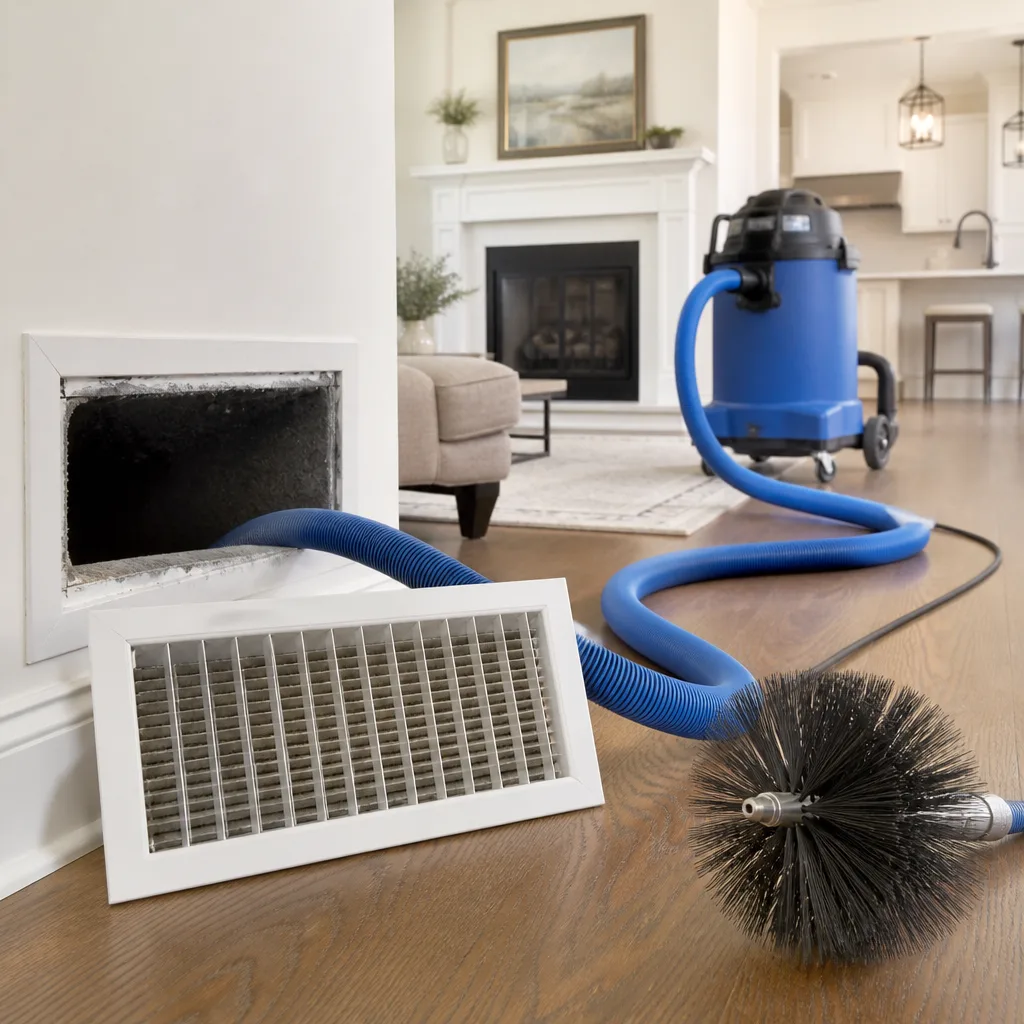 Whole-home duct cleaning
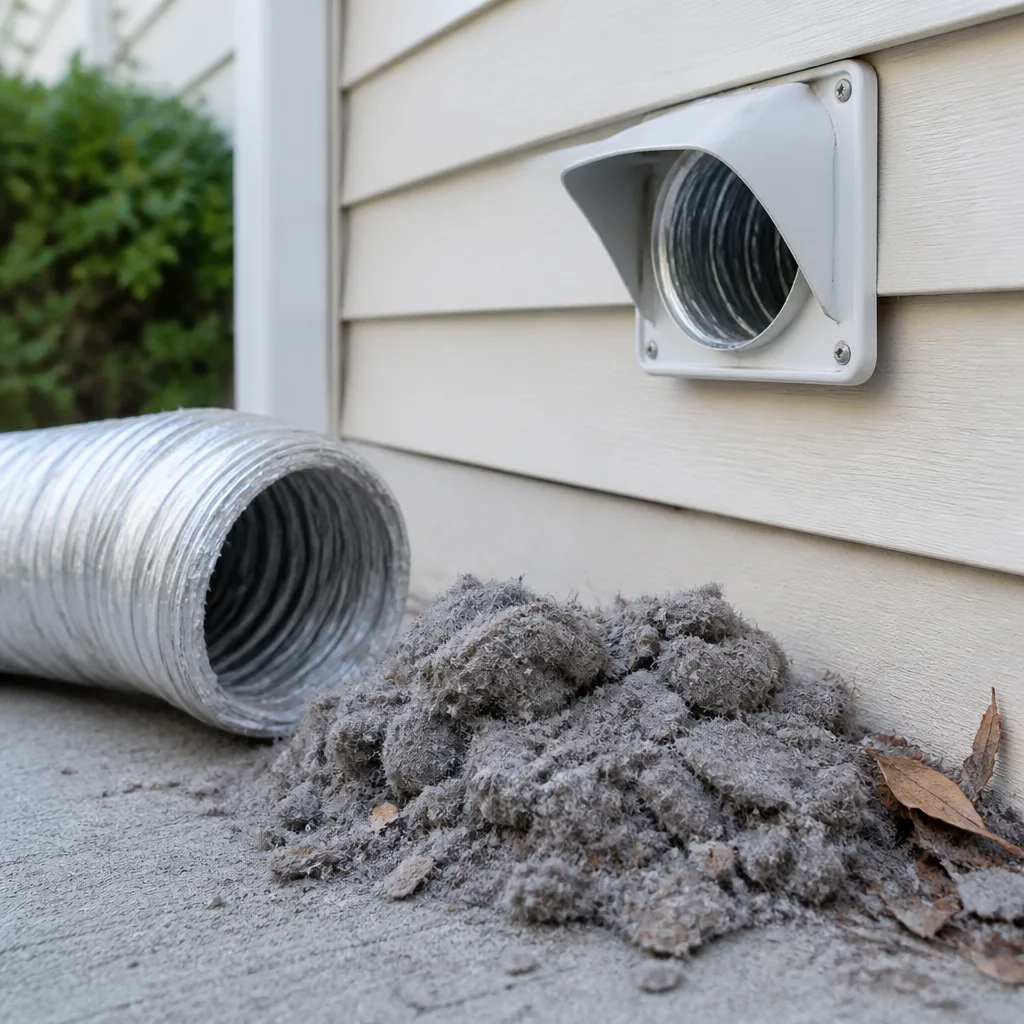 Dryer vent cleaning
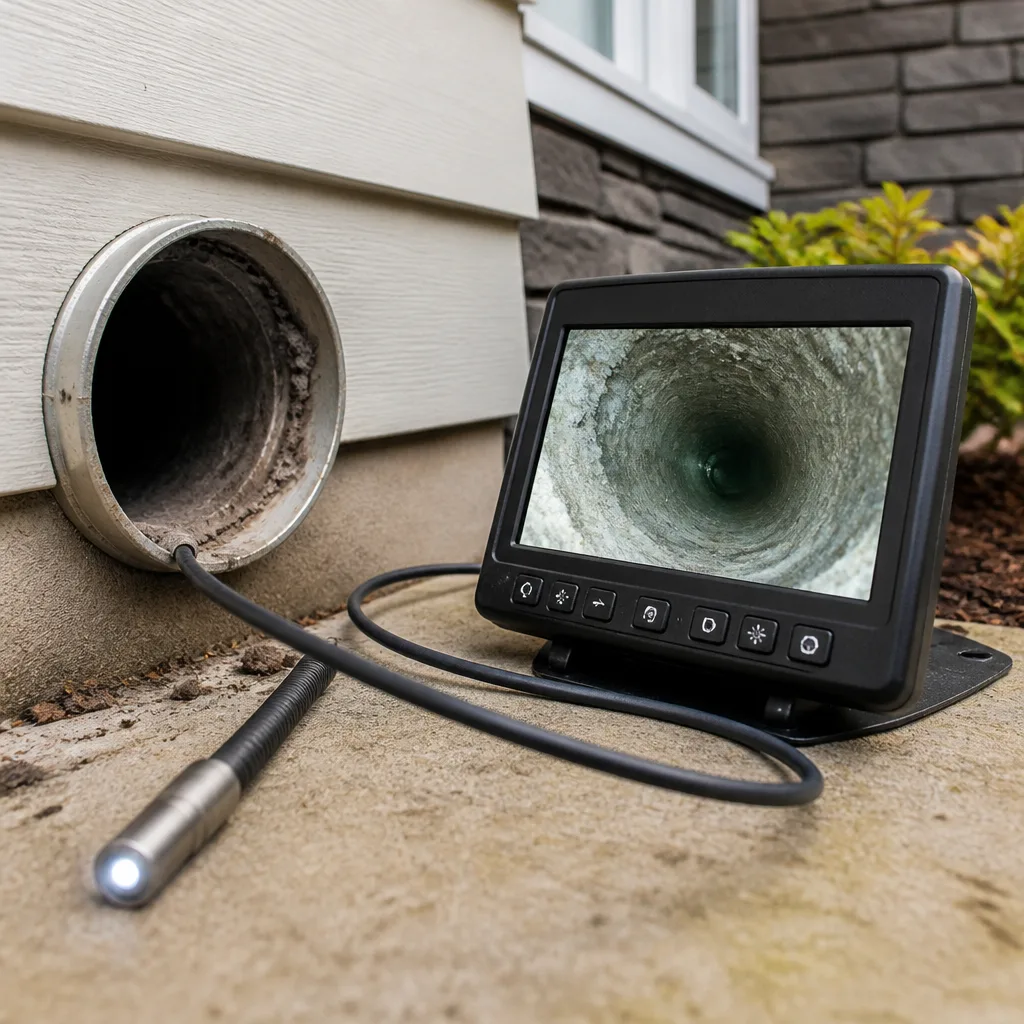 Camera inspection
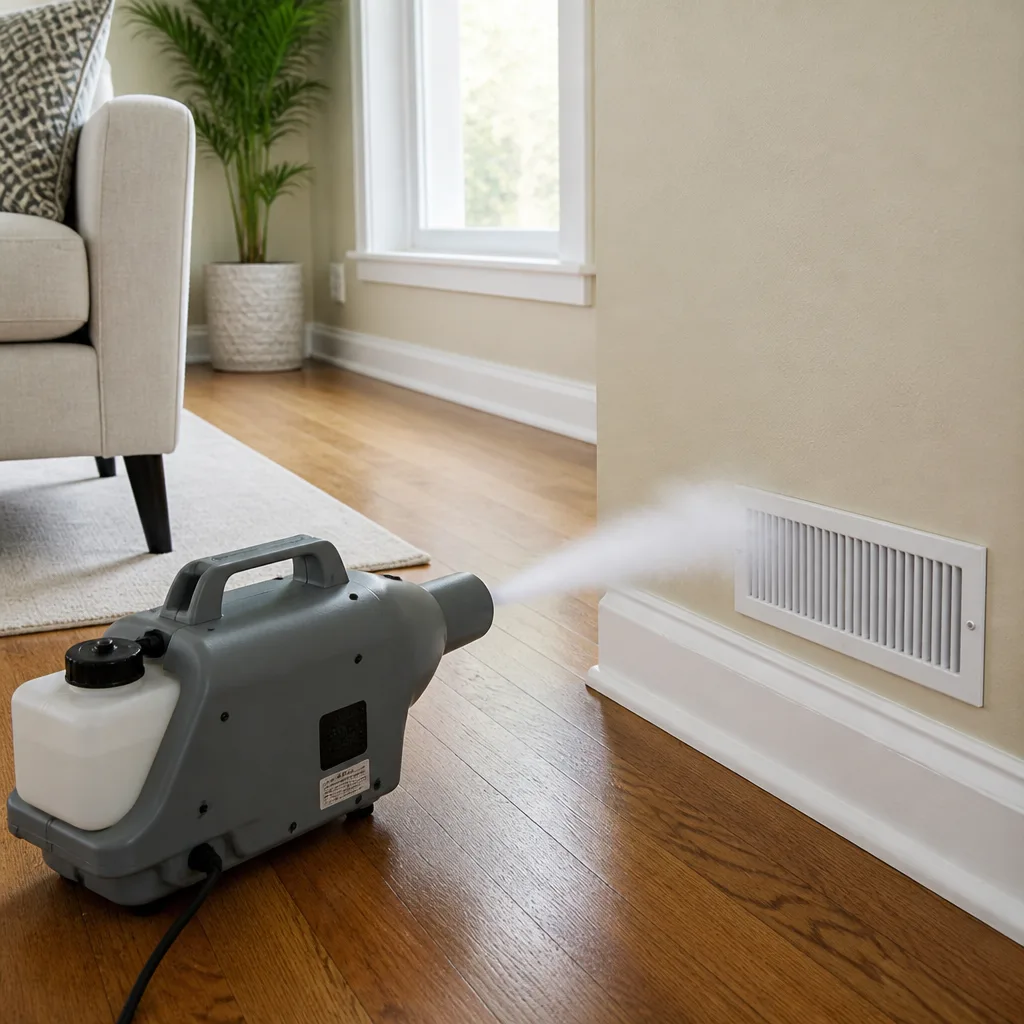 Sanitizing & deodorizing
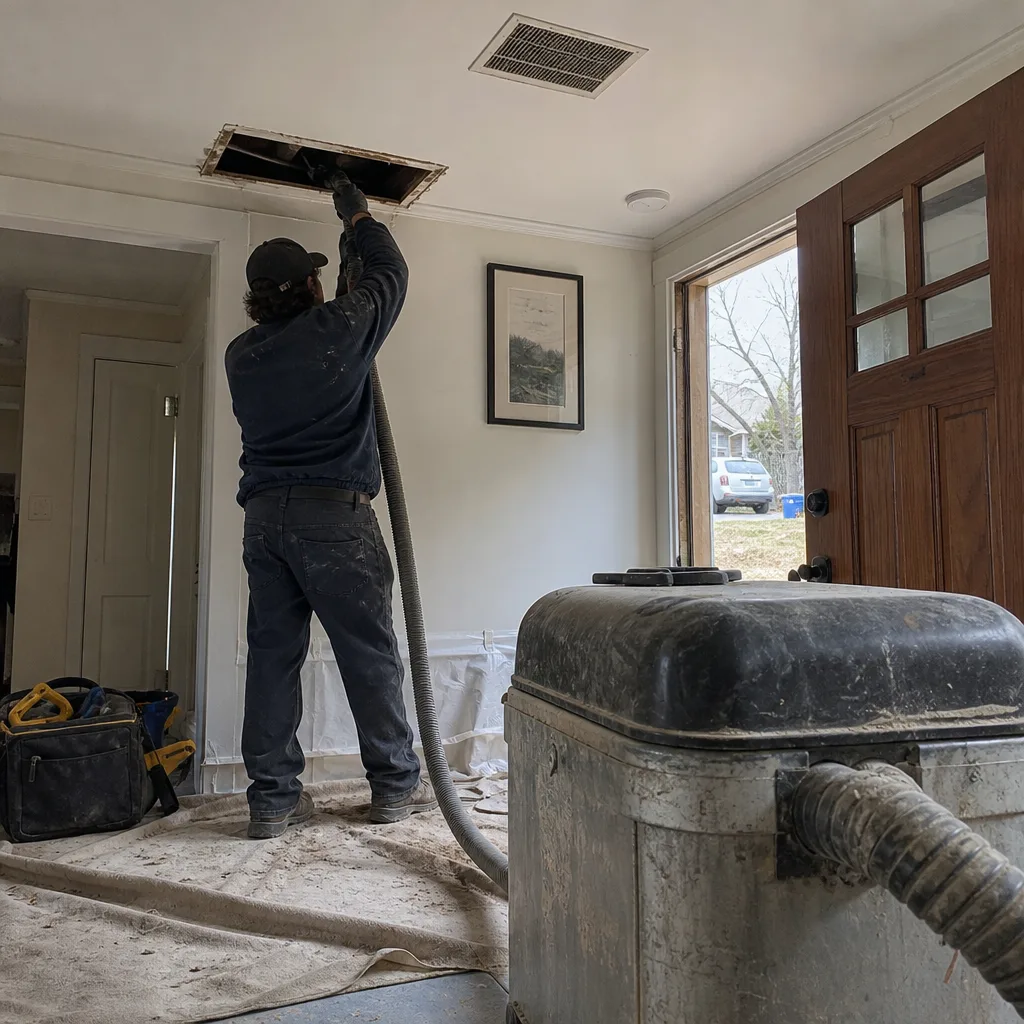
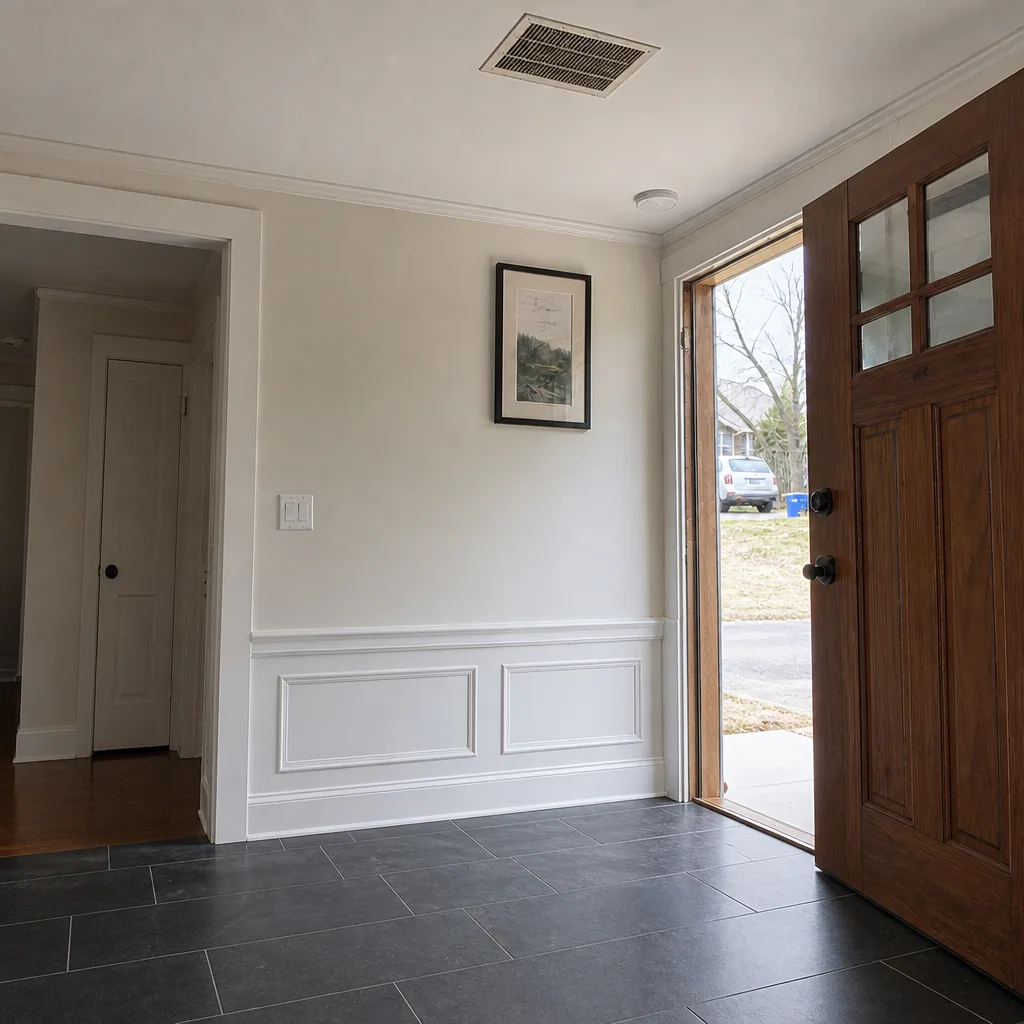
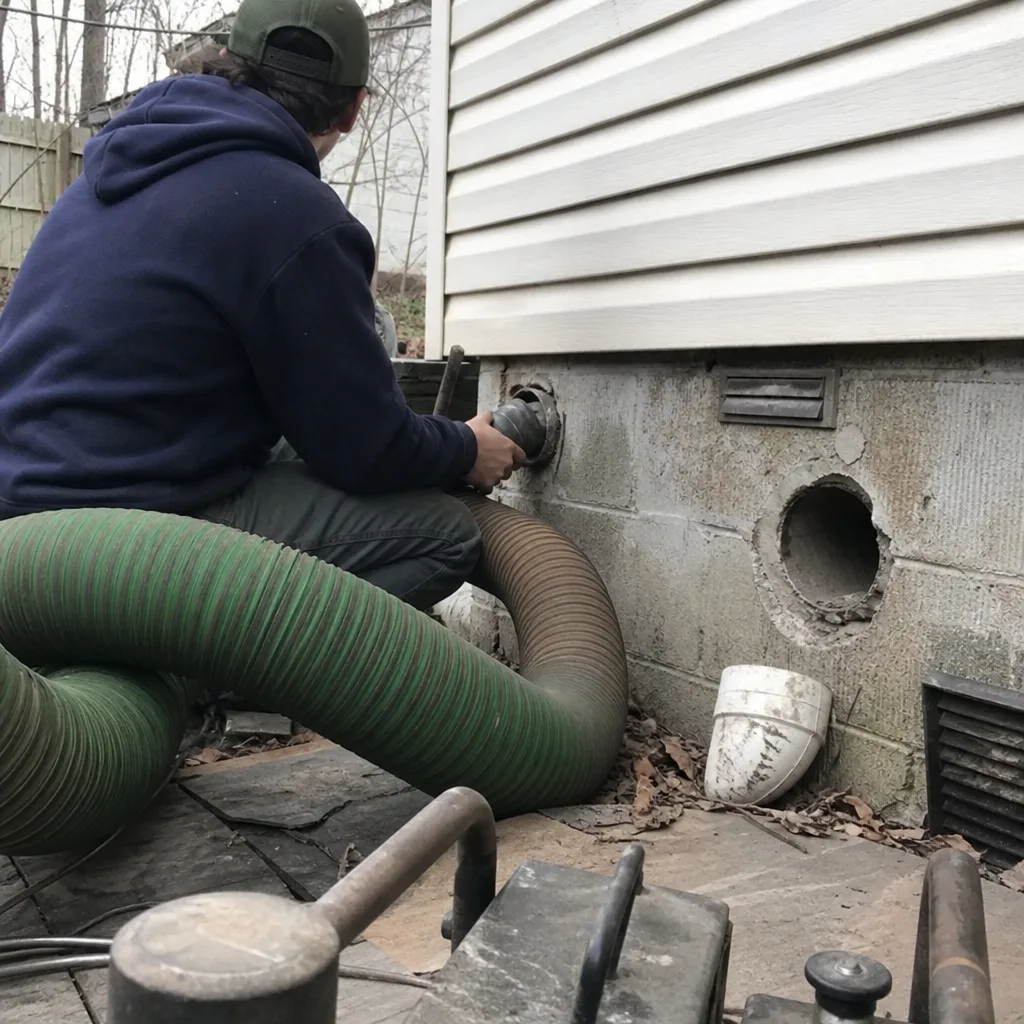
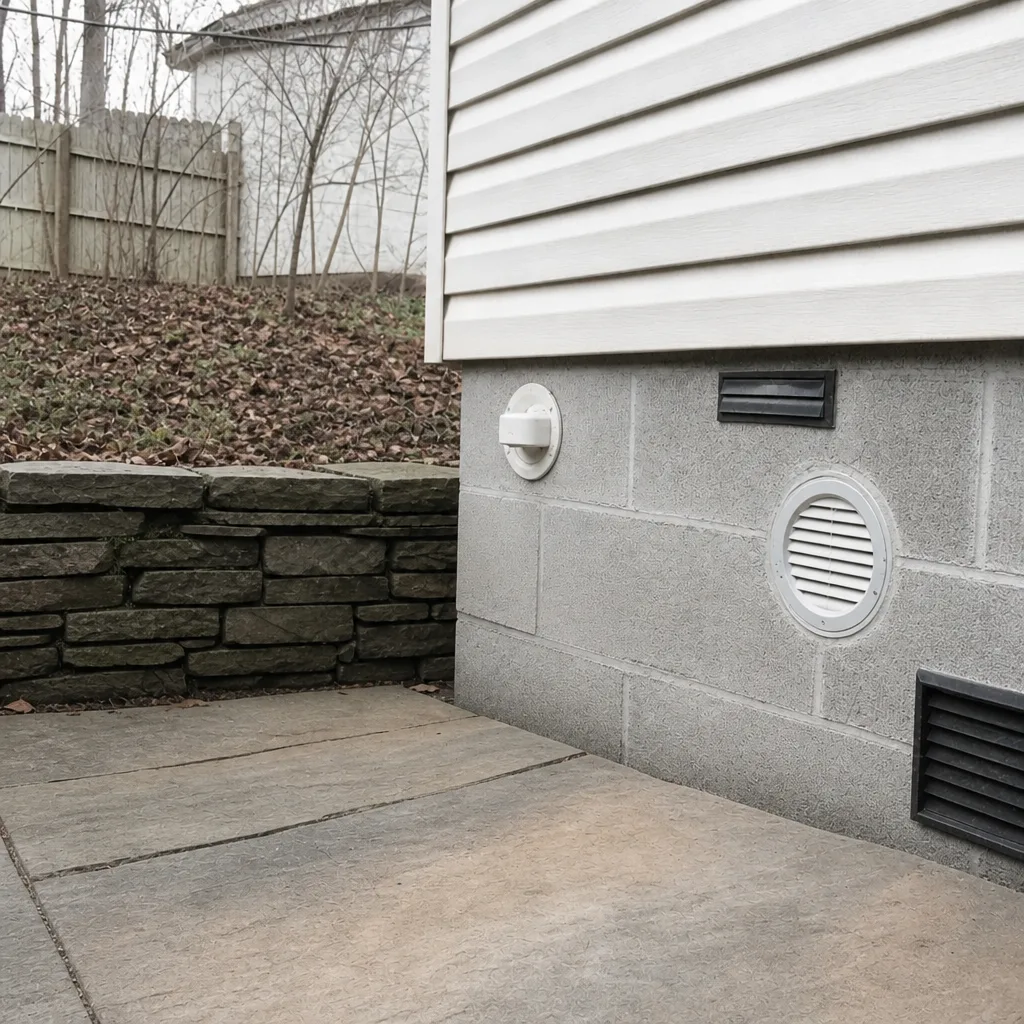
Whole-system duct and dryer vent check with before-and-after photos - you see exactly what came out of your vents
That "$99 whole-house special" is a bait ad - the real number appears once they are in your hallway, or the "clean" is a shop-vac at the register. We photograph the inside of your ducts before and after instead.
Seasonal Air Duct Cleaning Care for Raleigh: Year-Round Homeowner’s Guide
Most homeowners think about their ducts once, usually when something smells off or the airflow drops. That’s backwards. In Raleigh, your duct system lives through four genuinely different stress conditions every year, and each one leaves something behind. Spring buries the system in pollen. Summer pushes humid air against every seam and joint. Fall fires up the furnace for the first time and cooks months of settled dust. Winter runs the system on heat alone, concentrating everything the other seasons deposited. This guide walks through what each season does inside your ducts, what to watch for, and how to build a rolling maintenance rhythm that catches problems before they peak.
Quick Answer
Seasonal air duct cleaning in Raleigh follows the local climate cycle: clean going into spring to intercept tree pollen, inspect during summer for condensation and seal issues, watch the first heat cycle in fall as a diagnostic moment, and address dust concentration in winter. A rolling 12-month rhythm that front-loads inspection before each season’s peak stress beats a single annual cleaning every time.
Styles & brands we work with
- Whole-home duct cleaning
- Dryer vent cleaning
- Camera inspection
- Sanitizing & deodorizing
Table of Contents
- Spring in Raleigh: Pollen Season and Why Timing Matters
- Summer Humidity and Condensation Inside Your Ducts
- Fall: The First Heat Cycle as a Diagnostic Moment
- Winter: Heating-Only Operation and Dust Concentration
- Building a Rolling 12-Month Duct Maintenance Rhythm
- Why Duct Repair Belongs in a Seasonal Plan
- Dryer Vent Cleaning as Part of the Yearly Cycle
- Signs Your Seasonal Plan Is Working
Spring in Raleigh: Pollen Season and Why Timing Matters
Raleigh sits in a stretch of the Southeast that produces some of the heaviest tree pollen loads in the country each spring. Oak, pine, and elm release in overlapping waves, and the fine yellow-green dust coats cars, porches, and windowsills for weeks. Inside your home, the return-side ductwork is the quiet collector. Every time the blower runs, it pulls household air through the return grilles, and whatever pollen made it past the filter settles along the duct walls where the airflow is slowest.
What that looks like inside the system is specific. Pollen behaves differently from general dust: it’s fine, slightly sticky when humidity rises, and it clings to duct wall surfaces rather than blowing straight through. Over several seasons, the layer thickens and starts feeding the supply side of the system. The result is the faint musty edge homeowners describe when the AC first kicks on, and the airborne particle counts that allergy sufferers notice right when pollen season peaks outdoors.
Timing is the point. Cleaning that happens in late winter, before the first pollen wave, means the system starts the season without last year’s residue and with a clean filter seat ready to catch this year’s load. Cleaning after pollen has passed gets you a fresh system heading into summer, but you’ve spent April and May pulling allergens through a loaded duct. We’d rather clean early and let the filtration do its job.
For a deeper look at how a full cleaning is scoped, see our air duct cleaning page. What matters in spring is the sequence: clean, verify filter fit and MERV rating, then run the system through the season with a filter change rhythm that matches pollen load rather than the calendar on the filter packaging.
What to check before pollen season
- Confirm every return grille has a properly sized filter seated with no gaps around the edges.
- Look at the filter after two weeks and again after four. If it’s loading fast, change it on that rhythm, not a printed schedule.
- Check for visible dust trails around supply registers, which point to a leak drawing attic or crawlspace air.
- Walk the accessible duct runs in the attic or crawlspace and look for disconnected joints. A disconnected return in a ventilated attic pulls outdoor air straight into the system, pollen included.
Summer Humidity and Condensation Inside Your Ducts
Raleigh summers run humid. Dew points in the upper 60s and 70s are routine, and that creates a specific set of risks inside any duct system that isn’t tight. Cool air moving through a duct in a hot, humid attic or crawlspace keeps the duct wall cold. If the insulation or the vapor barrier is compromised, moisture condenses on the cold surface, and that wet surface becomes a growth environment for whatever organic dust was already settled there.
Condensation isn’t visible from the living room. What you notice instead is a musty smell that gets stronger when the system runs, a dampness that doesn’t match the rest of the house, or allergy symptoms that don’t ease even when outdoor counts drop. In our experience, homes with poorly sealed or under-insulated ducts in unconditioned space show these signs far more often than homes with tight, insulated runs.
What to look for in summer
- Condensation on the outside of accessible duct runs, or water staining on the insulation jacket.
- Attic or crawlspace ducts with sagging insulation, torn vapor barriers, or gaps at joints and boots.
- Moisture pooled at supply boots near registers, especially in bathrooms and kitchens.
- A musty odor that appears only when the AC is running, which points to the ducts rather than the coil alone.
- Indoor humidity that stays above comfortable levels even with the AC running steadily.
This is where repair capability matters. Cleaning a duct run that has a cold surface condensing moisture just resets the clock. The fix is sealing and re-insulating the compromised section so the cold surface no longer meets warm humid air. Our Raleigh guide covers the local climate context, and this section is why we treat sealing as part of the seasonal discipline rather than an add-on.
We use Nikro HEPA-rated vacuums and Rotobrush brush-agitation systems on every cleaning, and we bring Abatement Technologies air-containment equipment to keep loosened debris from recirculating during the job. That containment discipline matters more in a humid summer job, when the material loosened from the duct walls is exactly the material you don’t want settling back into the living space.
Fall: The First Heat Cycle as a Diagnostic Moment
The first time the furnace runs in the fall, it burns off dust that settled on the heat exchanger and in the supply plenum over the off-season. The smell that comes with it, a dry, slightly acrid odor, is expected for a short window. What matters is what the smell tells you and how long it lasts.
A brief odor in the first heating cycle is normal. An odor that persists for days, or one that intensifies each time the system runs, points to a deeper accumulation than the normal burnoff. That’s your diagnostic window. If the system is going to reveal a dust load, a leak, or a disconnected run, the first heating cycle is when it surfaces.
How to read the first heat cycle
- Note the odor: dry and dusty is expected and fades. Musty, sharp, or chemical is not, and deserves a professional look.
- Listen for rattles or whistles at registers, which can signal a loose joint or a duct run pulling against a fitting.
- Check every room for even airflow. A room that heated well last winter and now feels weak points to a restriction or a disconnected run.
- Look for dust streaming out of supply registers when the heat comes on. Visible dust in the airstream is a sign of settled material being disturbed.
- Mark the date. Tracking the first heat cycle each fall gives you a baseline for comparison year to year.
Fall is the best window for a pre-heating-season cleaning. Doing the work before the furnace runs means the burnoff cycle happens on a clean heat exchanger and clean ducts, and the diagnostic moment is uncompromised by accumulated dust.
Winter: Heating-Only Operation and Dust Concentration
Winter in Raleigh is not the deep freeze of the upper Midwest, but the system still runs on heat alone, often for weeks at a stretch. Two things happen. First, closed windows mean less fresh air exchange, so whatever the system circulates recirculates more. Second, heating air is drier, and dry air lets fine dust stay suspended longer instead of settling. The result is that dust concentrated in the ducts over the year finds its way into the living space more readily in cold months.
The system checks that matter most in winter are straightforward. Confirm the filter is sized and seated correctly, because a poorly fitted filter lets unfiltered air bypass the filter entirely and coat the blower and ducts. Check that supply registers aren’t blocked by furniture or rugs. And look at the filter loading rate: if a filter that used to last six weeks is loading in three, either the MERV rating changed or the system is pulling in dust it shouldn’t, which points to a leak.
We work compatibly with the whole-home filtration setups most Raleigh homes already have, including Honeywell and Aprilaire systems, so a seasonal check works inside your existing setup rather than around it. If you’re considering an upgrade, the question isn’t whether a higher MERV filter is better. It’s whether the blower can handle the added resistance without losing airflow, and whether the filter cabinet is sealed well enough to make the rating meaningful.
Winter checklist
- Filter: correct size, correctly seated, no bypass gaps at the edges.
- Registers: unobstructed, with the louver direction set for even distribution.
- Airflow: compare room-to-room warmth against your own memory of last winter.
- Humidity: if the house feels very dry, adding moisture helps dust settle but doesn’t substitute for cleaning the ducts.
- Access panels: check that any duct access doors in the attic or crawlspace are still sealed after the summer.
Building a Rolling 12-Month Duct Maintenance Rhythm
A rolling rhythm front-loads inspection before each season’s peak stress instead of reacting after a problem shows up. Here’s the shape of it. Adjust the timing to your home, but keep the sequence.
- Late winter: Full duct cleaning if you clean annually, or a professional inspection if your cycle is longer. Verify filter fit and rating before pollen season.
- Early spring: Filter change on a shortened rhythm through the pollen wave. Watch the return grilles and note any visible accumulation.
- Late spring: Walk accessible duct runs and check joints, insulation condition, and access panel seals before the humid season.
- Summer: Watch for condensation signs, musty odors, and indoor humidity trends. Address any seam or insulation compromise before it turns into a growth issue.
- Early fall: Clean or inspect before the first heat cycle, then use that first cycle as a diagnostic check.
- Winter: Filter rhythm, register check, airflow comparison room to room. Note anything that changed.
The rhythm stays grounded in the actual climate. A homeowner in a desert climate measures duct work in years. A homeowner in Raleigh measures it in seasons, because each one loads the system differently. That’s why a rolling plan beats a single annual reset. The point isn’t to clean constantly. It’s to inspect at the right moment so you know what’s happening before it becomes a repair.
Why Duct Repair Belongs in a Seasonal Plan
Cleaning without fixing compromised ducts is a partial job. If a seam is open, a boot is disconnected, or a section of flex duct has collapsed, the cleaning resets the clock and the leak refills the system. We repair what others only clean, which is why a seasonal inspection is where most of the value lies.
What repair actually involves depends on what the inspection finds. Disconnected joints get reconnected and sealed. Torn insulation or vapor barriers get replaced. Crushed or collapsed flex runs get replaced with a properly supported duct. Boot-to-floor gaps get sealed. In some cases the right fix is a section replacement; in others a targeted sealing is enough. The written estimate spells out which and why before work starts, and that one flat price per system is agreed before anyone starts work.
Raleigh homes run the range from older homes with hard-pipe duct systems to newer builds with flex runs in ventilated attics. The building stock affects what the inspection finds, which is why a general answer isn’t as useful as a look at your specific system. If we’re recommending a repair, we’ll show you before-and-after photos of your own ducts rather than stock images.
Dryer Vent Cleaning as Part of the Yearly Cycle
Dryer vent cleaning is a fire-safety service rather than a cleaning convenience, and we treat it that way. Lint accumulates in the vent run even with a clean lint screen, and a blocked vent traps heat and lint in the same space. That’s the leading appliance-related cause of residential fires. The fix isn’t complicated, but it needs to happen on a real schedule rather than when the dryer starts taking two cycles to finish a load.
In a Raleigh home, the seasonal cycle is worth mapping onto the vent as well. Summer heat plus a hot dryer plus a partially blocked vent is a worse combination than winter, but lint accumulation happens year-round. We recommend a vent inspection at least once a year, and more often if your dryer vent run is long, has multiple elbows, or exits through the roof. Our dryer vent cleaning page walks through what a full vent cleaning involves.
Signs your vent needs a look
- Clothes take longer to dry than they used to, with no other explanation.
- The dryer gets noticeably hot to the touch on the top or sides.
- The outside vent flap doesn’t open fully when the dryer runs.
- Lint collects around the dryer’s exterior vent connection.
- The laundry room feels more humid than it should during a dry cycle.
Signs Your Seasonal Plan Is Working
Working duct care shows up as a change in the pattern of what you notice. The strongest signal is fewer surprises: no first-of-season odors that catch you off guard, no sudden airflow drops in specific rooms, no musty smell appearing without an explanation. Even room-to-room temperatures and a filter that lasts its expected interval both point to a system that’s tight and clean. The other signal is what a filter catches. If the filter is loading with dust on schedule and the duct interior stays clean between cleanings, the filtration is doing its job. When the pattern breaks, that’s the cue to look for a leak or a restriction rather than to assume the ducts simply need another cleaning.
If you keep a simple log of filter changes, first heat cycle dates, and any airflow notes, you’ll have a clear record of what normal looks like for your home. That’s a genuine advantage when you do call a professional, because the conversation starts with evidence instead of a guess.
Common Mistakes to Avoid
- Waiting for a problem to book a cleaning. In Raleigh, waiting until musty odors or airflow drops appear usually means the season has already done its damage. Inspect before each season’s peak stress, not after.
- Cleaning without inspecting the seals. A cleaning on a system with a disconnected return in a vented attic just resets the clock. The disconnected run refills the ducts within a season, and the money is spent twice.
- Ignoring the first heat cycle. That fall burnoff smell is a free diagnostic. If it lingers or sharpens, treat it as a signal rather than as normal, and schedule a look instead of waiting until winter.
- Upgrading filter MERV without checking airflow. A higher-rated filter on a blower that can’t handle the resistance starves the system of airflow and can ice the coil. Check compatibility before you change the rating.
- Skipping the dryer vent because the lint screen is clean. The lint screen catches a fraction of the lint. The vent run is where the rest accumulates, and that’s the fire risk.
- Hiring on price alone. A quote that’s well below the local range usually reflects a shorter vacuum run, no containment, and no repair capability. Ask what equipment is used and whether repair work is included.
- Treating duct repair as out of scope. If the crew that cleans can’t repair, they’ll clean around problems they can’t fix. Confirm the provider handles both before you book.
See the difference
 Before
 After
 Before
 After
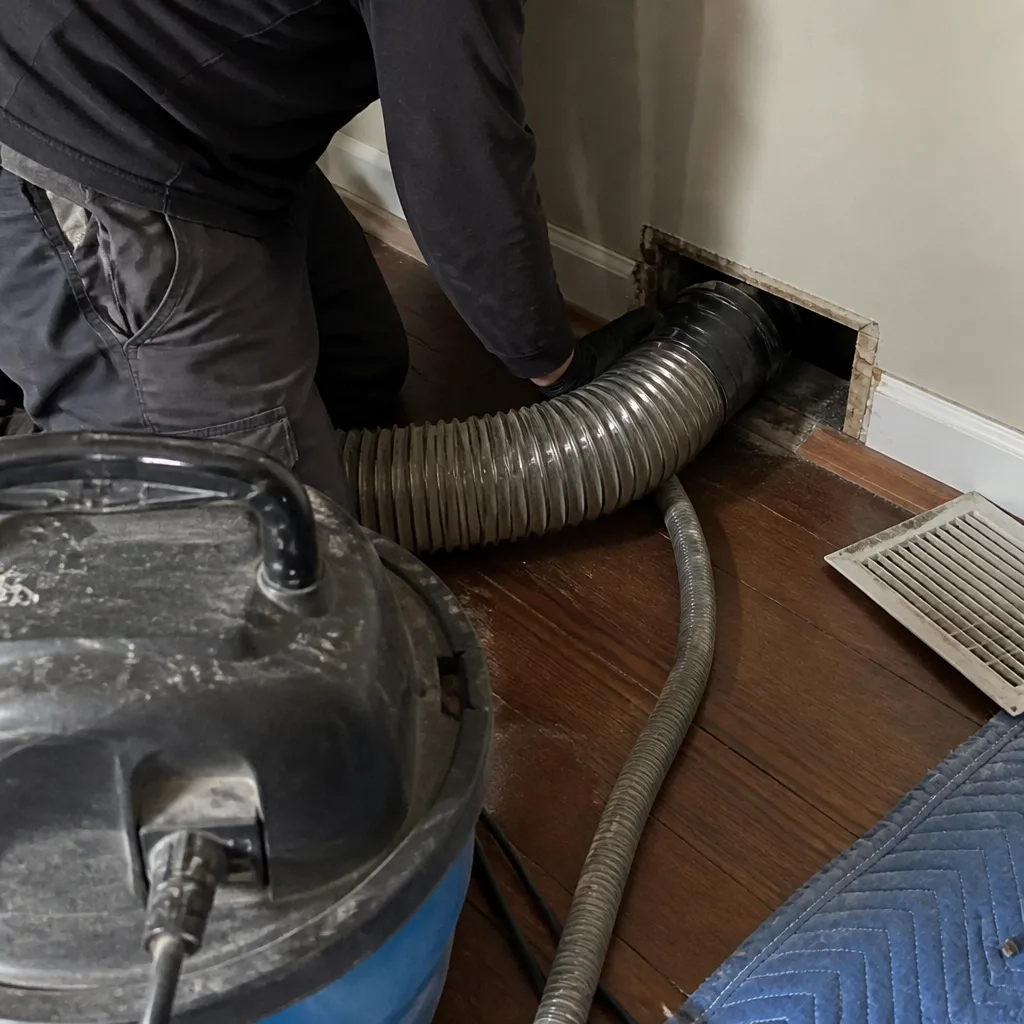 Before
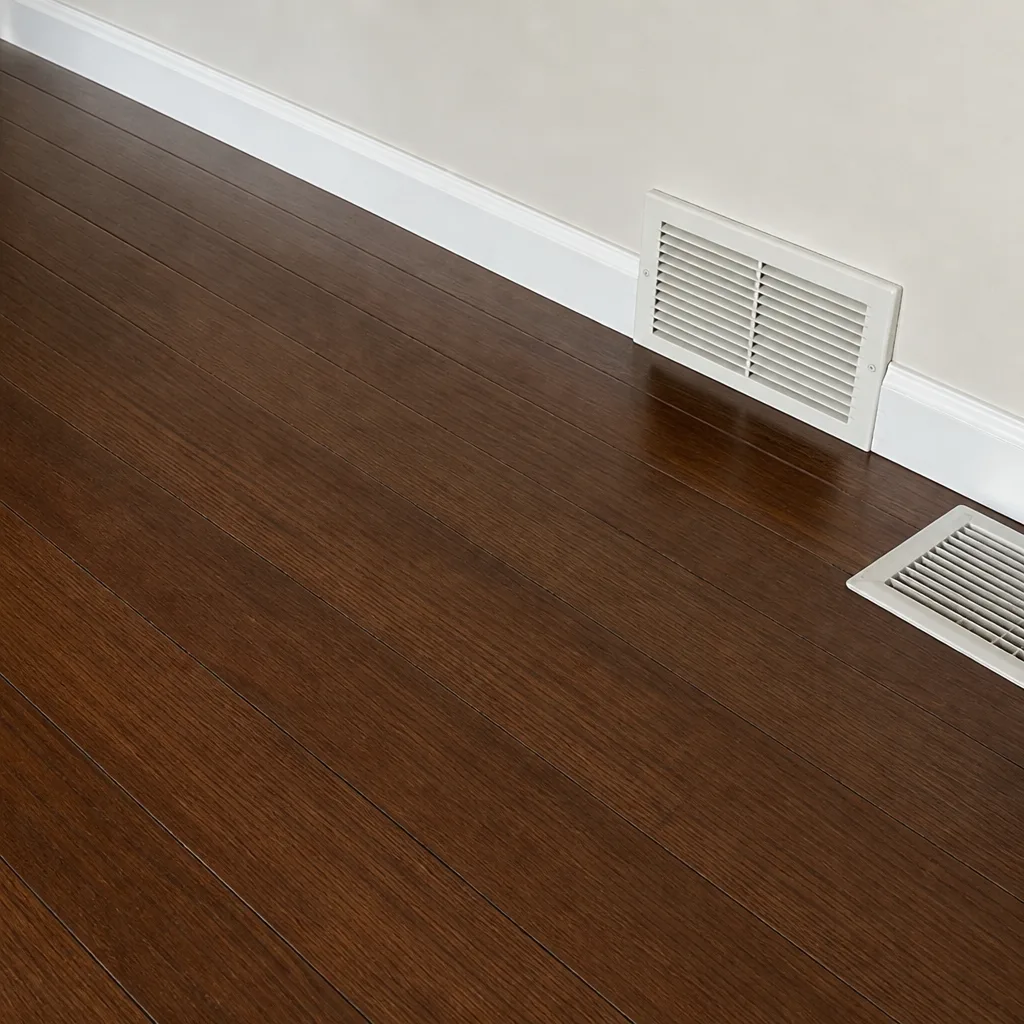 After
When to Call a Professional
Call a professional if you notice persistent musty odors when the system runs, visible dust streaming from supply registers, condensation on accessible duct runs, or a filter that loads far faster than it used to. Call if the first fall heat cycle produces an odor that doesn’t fade, or if a specific room’s airflow drops while the rest of the house stays even. Call if your dryer takes noticeably longer to dry clothes with no other explanation, or if the exterior vent flap doesn’t open fully. And call before you commit to a cleaning if you haven’t had the ducts inspected and you don’t know whether the system has leaks or damage. Jasper Duct Cleaning offers free estimates in Raleigh and works on all three services: air duct cleaning, dryer vent cleaning, and air duct repair. Call (844) 834-2817. We answer 24/7. Fast dispatch from 7am to 7pm, Sunday through Friday.
Frequently Asked Questions
For most Raleigh homes, a professional cleaning every two to three years, with an inspection before each season’s peak stress, works well. Homes with pets, allergy sufferers, recent renovations, or older duct systems benefit from a shorter interval. The right rhythm depends on what the inspection finds, so start with a look rather than a fixed schedule.
Yes, pollen enters the return-side ducts whenever the blower pulls it through the return grilles past the filter. Fine pollen is small enough that a standard filter doesn’t stop all of it, and it clings to duct walls rather than blowing through. Cleaning early in the season, before pollen peaks, is the most effective way to manage it.
The first heat cycle burns off dust that settled on the heat exchanger and in the supply plenum over the off-season. That dry, dusty smell is expected for a short window. If it persists for days, gets stronger each time the system runs, or smells musty or sharp, that points to a larger duct accumulation or a repair issue and deserves a professional check.
Yes, when ducts in attics or crawlspaces have compromised insulation or vapor barriers. Cool air moving through a duct in a hot, humid space condenses moisture on the cold surface if it’s not properly insulated. That wet surface supports growth on settled dust. Sealing and re-insulating the compromised section is the actual fix, which is why repair belongs in a seasonal plan.
Cheaper quotes usually mean less equipment, less time, and no repair capability. A crew running a shop vacuum and a single brush can quote low because the job is short. Ask what vacuum system they use, whether containment equipment is used to prevent loosened debris from recirculating, and whether they can seal a leak they find. One flat price per system, agreed in writing before work starts, is the honest structure. Call (844) 834-2817 for an exact quote – estimates are free.
A typical residential air duct cleaning takes a few hours depending on the size of the system and the number of runs. If repair work is needed, the written estimate sets the scope before anyone starts. The job is scheduled, not rushed, which is why the equipment and containment take the time they take.
The Bottom Line
Raleigh’s four seasons each leave a different mark on your duct system, and a single annual cleaning doesn’t address all four. The rhythm that works is inspection before spring pollen, sealing checks before summer humidity, cleaning before the fall heat cycle, and filter discipline through winter. Add dryer vent cleaning to the annual cycle for the fire-safety reason alone. And treat repair as part of maintenance rather than a separate job, because cleaning a compromised system resets the clock without fixing the cause. If you want a specific plan for your home, start with a free estimate.
Call (844) 834-2817 for a free estimate. We answer 24/7, with fast dispatch from 7am to 7pm, Sunday through Friday.
Written by the team at Jasper Duct Cleaning.