
Last updated November 15, 2026
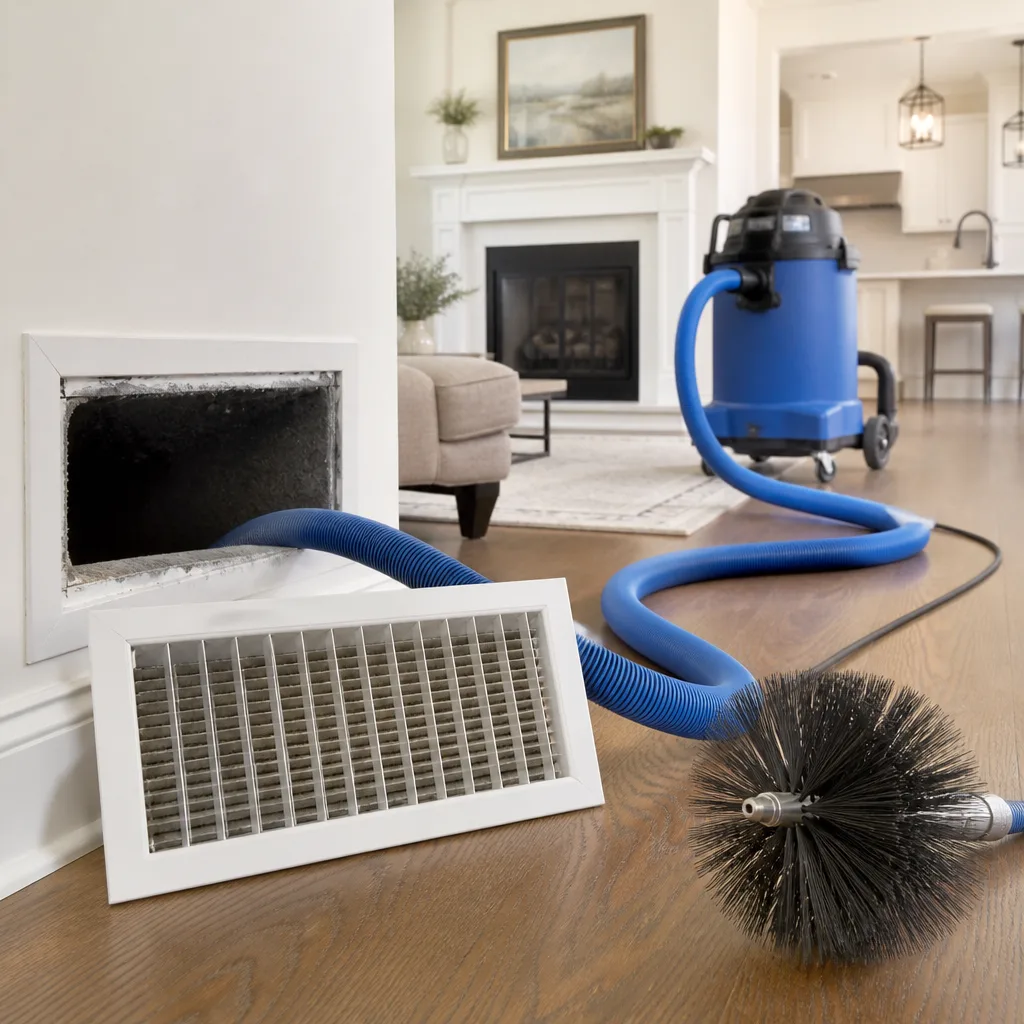 Whole-home duct cleaning
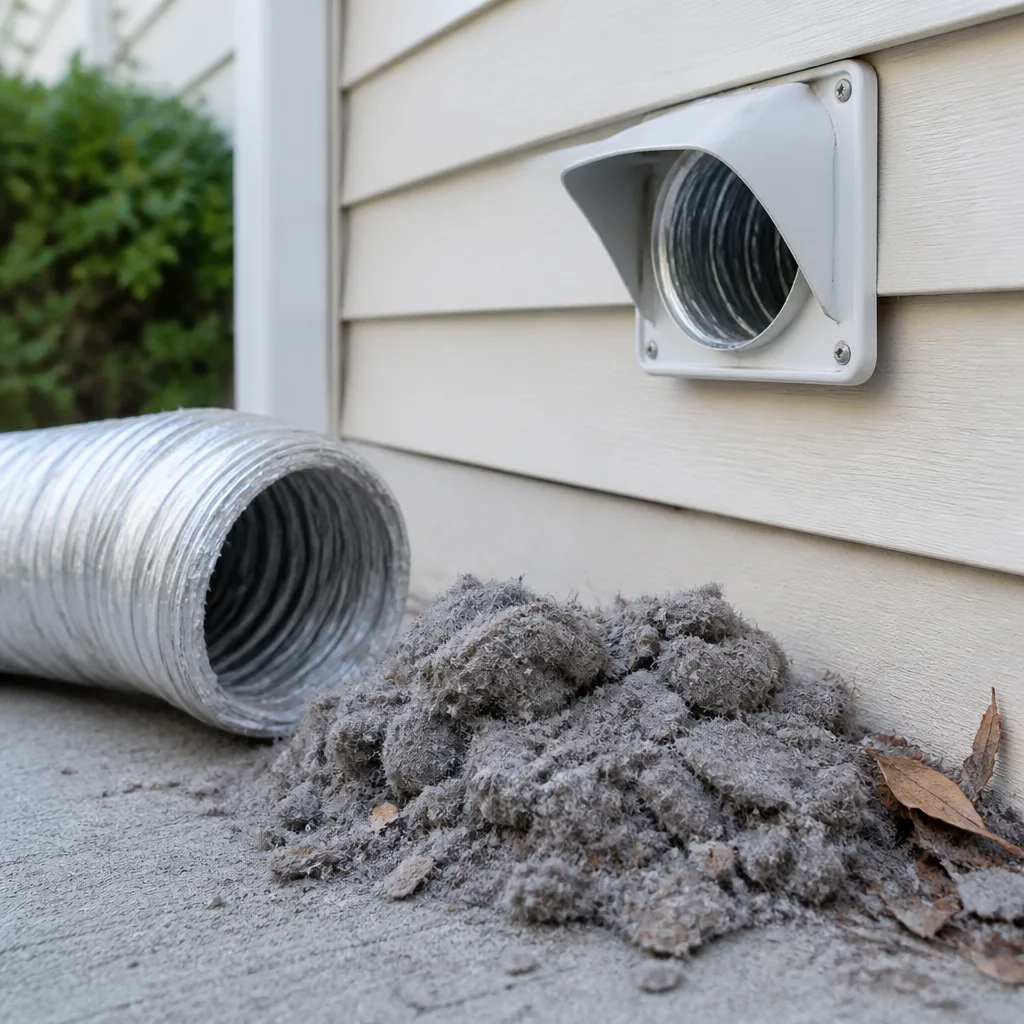 Dryer vent cleaning
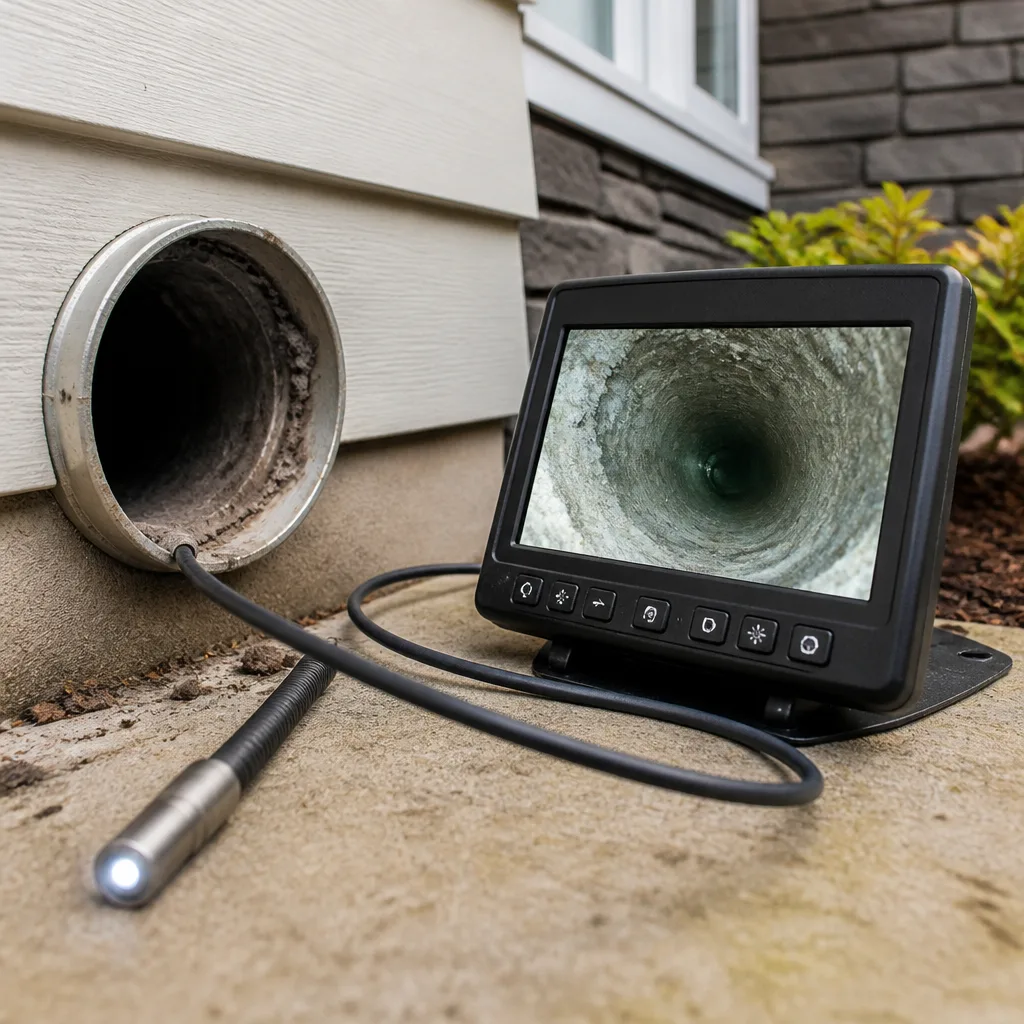 Camera inspection
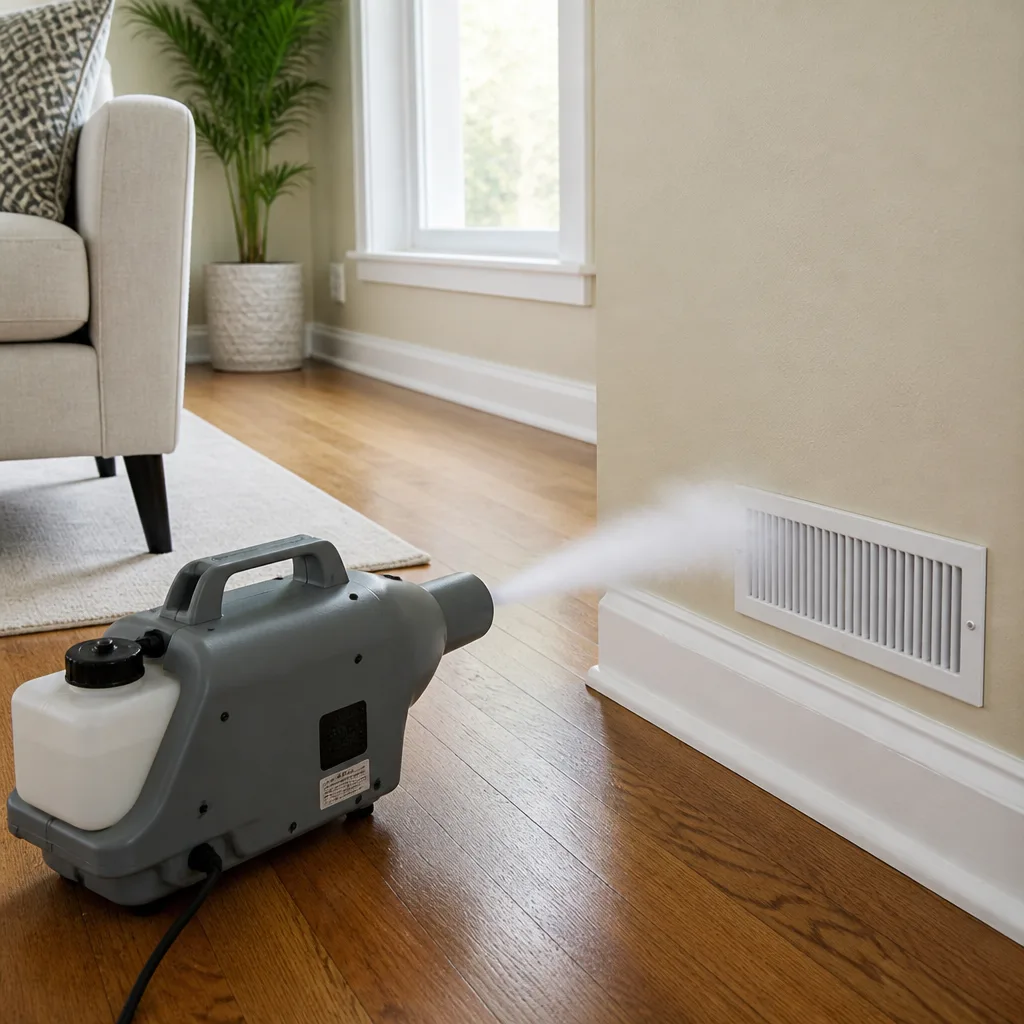 Sanitizing & deodorizing
Whole-system duct and dryer vent check with before-and-after photos - you see exactly what came out of your vents
That "$99 whole-house special" is a bait ad - the real number appears once they are in your hallway, or the "clean" is a shop-vac at the register. We photograph the inside of your ducts before and after instead.
DIY vs Professional Air Duct Cleaning: The Raleigh Homeowner’s Decision Guide
Most homeowners who look into duct cleaning assume the choice comes down to cost and effort. Rent a brush kit or a shop-vac, spend a Sunday on it, save the money. That framing misses the part that actually matters. Residential vacuum-and-brush kits can’t generate the negative-air pressure a professional system produces, so the debris inside your duct walls doesn’t get extracted – it gets loosened. Where it settles next is the problem. This guide is for Raleigh homeowners who want to know exactly where the DIY line sits: what’s genuinely worth doing yourself, what a consumer kit can and can’t reach, and how to tell when loose contamination is quietly working its way into your air handler. We’ll keep the reasoning concrete and the numbers honest, because duct cleaning has enough vague marketing in it already.
Quick Answer
Professional air duct cleaning is worth it when your ducts have real source-removal problems – post-renovation debris, visible mold or water staining, vermin contamination, crushed or torn flex duct, or a system that recirculates odor no matter how clean the register covers are. DIY cleaning is reasonable only for surface work: wiping register covers and grilles, replacing filters, and keeping the dryer vent lint trap clear. A consumer kit can handle the first foot or two behind a register, but it can’t match the negative-air pressure a professional HEPA system creates, so it loosens debris without reliably pulling it out of the system. Here in Raleigh, that gap shows up most in older homes with flex duct that’s seen a renovation or two.
Styles & brands we work with
- Whole-home duct cleaning
- Dryer vent cleaning
- Camera inspection
- Sanitizing & deodorizing
Table of Contents
- The Physics Behind Source Removal: What CFM and Static Pressure Actually Mean
- What Raleigh Homeowners Can Legitimately Do Themselves
- When Professional Air Duct Cleaning Isn’t Optional
- The Hidden Cost of Ineffective DIY Cleaning
- How to Use a DIY Inspection to Get More From a Professional Visit
- Why Raleigh Homes Produce a Specific Duct Debris Profile
- The Repair Gap: Why Cleaning Alone Doesn’t Fix Damaged Ducts
- What Professional Cleaning Actually Involves
The Physics Behind Source Removal: What CFM and Static Pressure Actually Mean
Airflow in a duct is measured in cubic feet per minute, or CFM, and pressure is measured in inches of water column. Those two numbers describe whether a vacuum can lift debris off a duct wall and carry it out. A typical household shop-vac or consumer duct kit pulls a small fraction of the airflow a professional HEPA-rated system moves, and its static pressure rating is built for short, thin hoses – not the 30- to 50-foot runs inside a typical Raleigh home’s return and supply trunk.
When a system doesn’t have enough negative-air pressure, three things go wrong:
- Debris detaches but doesn’t travel. A brush loosens dust from the duct wall, and the vacuum isn’t strong enough to carry it the full run. It settles farther down or in a nearby branch.
- Disturbed material recirculates. Running the HVAC while you clean – or for hours afterward – pushes the loosened dust back through your supply vents and into the rooms you were trying to protect.
- Air handler pressure pulls it inward. Your air handler sits downstream of the return plenum. When cleaning in the return trunk, loosened particles are more likely to end up on the evaporator coil and blower than in a shop-vac.
A professional system solves this in two ways. First, the vacuum unit generates enough negative-air pressure to move material out of the duct, not just off it. Second, containment equipment keeps the work area under controlled pressure so loosened debris doesn’t get pushed back into the living space. That combination is the core of source removal, and it’s the part a consumer kit can’t replicate no matter how patient you are.
Our technicians have up to 10 years of experience, and we use professional-grade equipment from Rotobrush (agitation brush systems) and Nikro (HEPA-rated vacuums), plus Abatement Technologies containment machines – the same equipment categories used in commercial and restoration work – because the physics don’t change based on how big the job is. A small residential system still needs the right pressure to actually clean.
What Raleigh Homeowners Can Legitimately Do Themselves
A genuine DIY effort has a place. Just keep it in the parts of the system it actually reaches.
- Register covers and grilles. Remove them, wash them in warm soapy water, dry fully, reinstall. Do this every few months, especially on supply registers in kitchens and bathrooms where grease and humidity collect.
- Filter changes. Replace your filter on the cadence your filter’s rating recommends. A clogged filter raises pressure on the air handler, and that pulls more debris toward the coil.
- Dryer lint trap and vent. Empty the trap every cycle, and check the vent where it exits the dryer. If the vent run has a long exterior stretch, note whether airflow at the exterior cap feels weak. This is a fire-safety matter, not a housekeeping one.
- Visual inspection of accessible flex duct. In a basement, crawlspace, or attic where flex duct is exposed, look for collapsed sections, tape pulling away at joints, or kinked runs. Note anything wrong and photograph it.
- Return air grille cleaning. Returns collect more debris than supplies because they pull unfiltered household air. Wipe down the grille face and the first few inches of the duct throat with a damp cloth.
- Furniture and surface dust after any disturbance. If you run the HVAC during or after any project that puts dust in the air, wipe horizontal surfaces and vacuum with a HEPA-filtered vacuum once the system has run a cycle.
That list is real, useful maintenance. None of it requires a consumer duct kit. If a particular register is dusty on the visible face, cleaning that face is fine; what a consumer kit can’t do is reach past the first bend, loosen compacted dust from the far wall of a trunk line, and carry it out of the system.
When Professional Air Duct Cleaning Isn’t Optional
Some conditions inside a duct system are past the DIY line on safety or health grounds, not effort. In our experience, these are the situations where a homeowner should schedule air duct cleaning before doing anything else:
- Post-renovation debris. Drywall dust, sawdust, and fiberglass particles move through the air handler during remodeling. A drywall renovation in a standard Raleigh home can push enough fine material into return ducts that the air handler’s coil and blower act like a filter. This is a source-removal job.
- Verified mold growth. If you can see mold or water staining around a register boot, on the duct interior near the coil, or on the plenum insulation, that’s not a dust problem. The moisture source has to be addressed first, then the duct interior cleaned under containment.
- Vermin contamination. Rodent droppings, nesting material, or insect debris inside ducts carry genuine health risk, and the material becomes airborne when disturbed. Containment discipline matters here more than in any other scenario.
- Torn, collapsed, or disconnected flex duct. Cleaning alone can’t fix a run that’s pulled apart at a joint or crushed under attic insulation. That’s a repair, not a cleaning – and the two belong to the same trade even if a lot of duct cleaners only do the cleaning half.
- Persistent odor with no other explanation. If you’ve cleaned the surfaces, replaced filters, and the smell returns whenever the system runs, the source is almost certainly inside the ducts or on the evaporator coil, and it needs to be traced.
- Dryer vent clogging. This is a fire-safety service distinct from air duct cleaning – treated as such, not offered as an upsell at the end of a cleaning call.
We’re clear with homeowners on this: if the ducts are lightly dusty and the registers are clean, we’ll say so. The point of source removal is the specific problems above, not keeping a monthly appointment.
The Hidden Cost of Ineffective DIY Cleaning
The most expensive outcome isn’t paying a professional to clean clean ducts. It’s spending a weekend with a consumer kit and pushing loosened contamination into a worse location. When a homeowner runs a shop-vac through a return without proper containment, three expensive things tend to happen:
- Debris settles into the air handler. The return plenum connects directly to the air handler cabinet. Loosened dust that lifts off the return duct wall travels into the blower and the evaporator coil – and once it lands, it’s trapped in the component you least want dirty.
- Dust recirculates through the supply side. If the system runs during or after cleaning, loosened fine dust moves through supply vents and carpets the surfaces of the house. A follow-up professional cleaning then costs the same as it would have, and now the work is more involved.
- Flex duct gets disturbed and torn. Consumer brush systems have flexible heads that don’t always stop when they meet a joint. In older Raleigh attics with thin-gauge flex duct, that can pull tape loose or tear the interior liner – a repair, not a cleaning.
None of this is an argument that homeowners are reckless for trying. It’s the physics. Without controlled negative-air pressure, the dust goes where the pressure gradient sends it, and that’s often in the wrong direction.
How to Use a DIY Inspection to Get More From a Professional Visit
One of the best things a Raleigh homeowner can do is walk the system and document what they see before calling. A thorough inspection report gets a more accurate estimate and a faster job.
- Photograph the air handler and filter. Note the filter’s rating and the size printed on the frame. If the filter is past due, capture the date.
- Photograph every register and return. Note any that show visible dust build-up, staining, or lint around the boot.
- Note any visible water staining or odor. Photograph the area and describe the smell plainly – musty, chemical, animal, or something else.
- Check the exposed ductwork in the attic or crawlspace. Photograph any collapsed runs, tape coming loose at joints, or kinked flex duct. Note roughly where along the run the issue is.
- Check the dryer vent. Confirm whether the vent run is short or long, and whether the exterior cap is clear. Note if lint is visible at the exterior wall.
- Write down three complaints in plain language. “Bedroom 2 is always warm in the afternoon” and “the hallway smells musty” are more useful to a technician than “ducts seem dirty.”
When we see that kind of report from a homeowner, we can align the estimate to the actual problems in the system. It saves time and often avoids cleaning parts of the system that don’t need it.
Why Raleigh Homes Produce a Specific Duct Debris Profile
Raleigh’s climate is warm and humid for a long stretch of the year, and the area’s tree canopy – pine and oak pollen in particular – puts a heavy seasonal load on return filters. In homes built during the region’s rapid growth from the 1990s through the 2010s, flex duct is often routed through vented attics, where summer heat cycling and the occasional storm-driven pressure change can gradually pull tape joints loose. Historic neighborhoods closer to downtown, and older homes in Five Points and Boylan Heights, tend to have shorter duct runs with tighter transitions and older metal trunk lines that hold debris differently than modern flex.
What that means for a homeowner deciding on DIY vs professional work is this: in a newer Raleigh-area home with intact flex and a clean system history, maintenance-level cleaning is genuinely low-priority. In an older home or one that’s recently been renovated, the odds are higher that some run needs repair as well as cleaning, and a consumer kit won’t diagnose that. Callout trips to outlying areas like Wake Forest, Apex, or Knightdale also carry the same duct-age profile as the city itself – this isn’t a marketing spin, it’s the housing stock.
If you’re starting with a broader look at the region, our overview page on Raleigh is where we lay out how service works across the metro.
The Repair Gap: Why Cleaning Alone Doesn’t Fix Damaged Ducts
Here’s what most of the duct cleaning market misses: over half of what we see on the jobs we’re called to isn’t really a cleaning problem. It’s a repair problem. Loose tape joints, sagging flex runs, disconnected boots behind drywall, and crushed transition fittings all let air – and the dust that rides with it – leak into the attic or crawlspace. Cleaning a leaking duct system just means the cleaned interior stays clean only until the next humid day forces air through a loose joint.
That’s why we treat air duct repair as a core service rather than an add-on. When we clean, we also check joint tape integrity, examine the run for crushed sections, and look at how the boots seat at each register. If we find a joint that needs taping or a flex run that needs re-supporting, we handle it during the same visit rather than handing it off to a separate contractor. One provider, one estimate, one visit.
For homeowners deciding that duct repair is the actual priority, our Jasper Duct Cleaning overview explains how cleaning and repair fit together as a single scope.
What Professional Cleaning Actually Involves
A professional cleaning visit isn’t a bigger version of what you’d do with a shop-vac. It’s a different sequence entirely.
- Setup and containment. We establish negative-air containment in the work area with Abatement Technologies equipment before any debris is disturbed. This prevents loosened material from crossing into the living space.
- System inspection. Every supply and return is examined, along with the air handler and filter slot. Visible issues in the flex duct, joints, or boots are noted and discussed.
- Agitation and extraction. Rotobrush brush-agitation heads dislodge compacted material from duct walls, and Nikro HEPA-rated vacuums extract it at the source. The two work together; agitation without extraction just relocates dust.
- Component cleaning. The blower, evaporator coil housing, and drain pan area are cleaned as part of a full-scope job. This is where a lot of fine debris accumulates.
- Repair of identified issues. Loose joints, disconnected boots, or collapsed runs are addressed during the visit whenever possible.
- Before-and-after documentation. Photos of your own ducts, not stock images. You see what was in the system and what came out.
We also work compatibly within existing whole-home air-quality setups – Honeywell and Aprilaire media cabinets, humidifiers, and filtration housings are systems we know our way around. We’re not going to recommend replacing a filtration cabinet because we don’t recognize the brand. We work inside your existing system.
Pricing is a flat rate per system, agreed in writing before any work begins. No per-vent pricing, no surprise line items after the technician has been in the attic. If the scope changes because of something discovered on-site, that’s a conversation and a revised estimate before the change is made – not a larger invoice.
Common Mistakes to Avoid
- Running the HVAC while cleaning. Running the system during cleanup or immediately after pushes loosened debris through the supply side and into your rooms. Keep the system off until any work – professional or DIY – is complete.
- Buying a consumer kit and assuming it’s source removal. Those kits can loosen dust from the first foot of duct and drop it back into the supply side. They can’t carry it out of the system, and no amount of repetition fixes that.
- Ignoring the dryer vent. A clogged dryer vent is a fire-safety problem, and it deserves its own service call rather than waiting for an annual duct cleaning to catch it. If your lint trap fills within a few cycles or the exterior cap feels weak, that’s the signal.
- Assuming a low quote on a home in Five Points or Boylan Heights is a good price. Those homes have older, tighter duct systems that take more time to disassemble and re-contain than modern flex runs. A uniform “any house, any price” quote is a sign the crew won’t be able to do the work properly.
- Cleaning ducts while a mold or moisture problem is unresolved. If there’s active moisture from a leaking coil pan or roof, cleaning just resets the clock. Address the source first.
- Skipping the visual inspection in the crawlspace or attic. A lot of duct issues – crushed runs, disconnected joints, sagging supports – are only visible from outside the living space. Skipping the walk-through means missing them entirely.
- Confusing “the registers are clean” with “the ducts are clean.” Registers are the visible tip. The trunk lines and return plenum collect most of the debris, and you can’t see any of it from the room.
See the difference
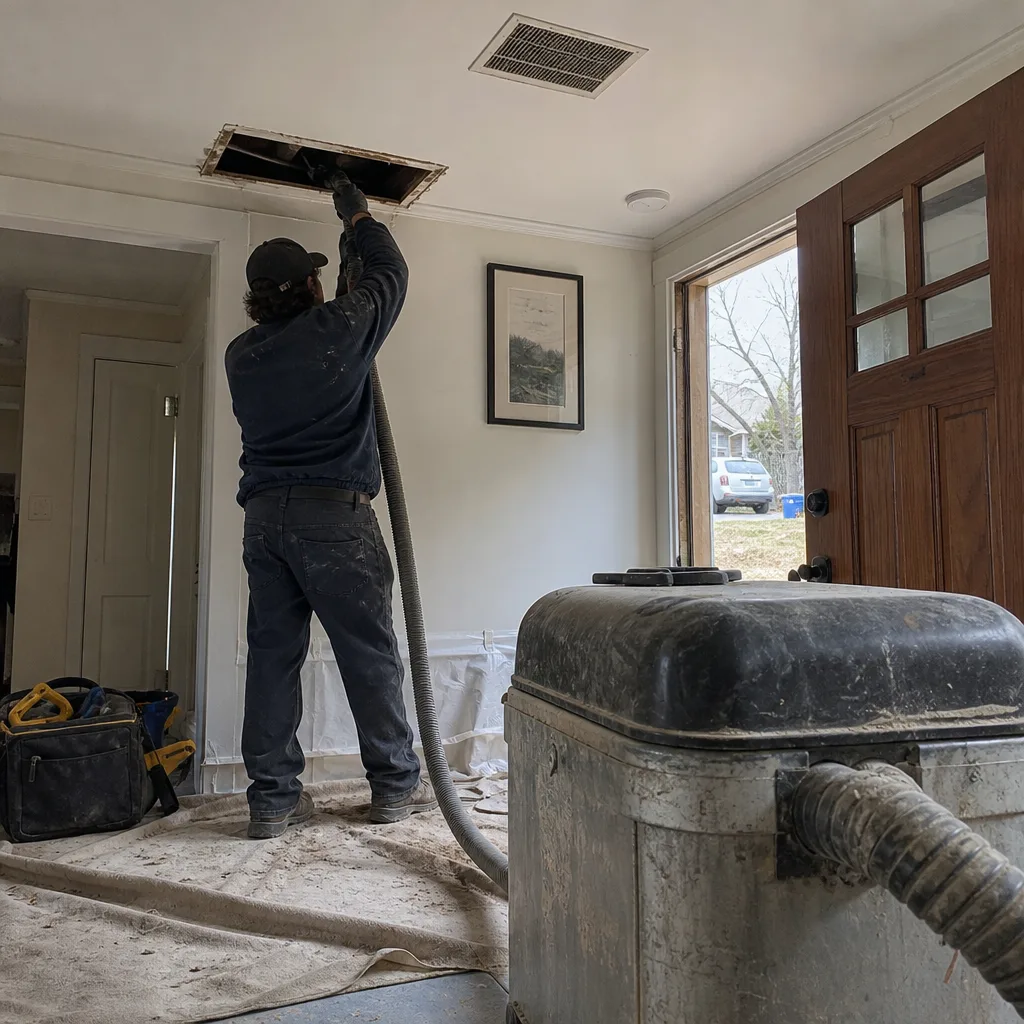 Before
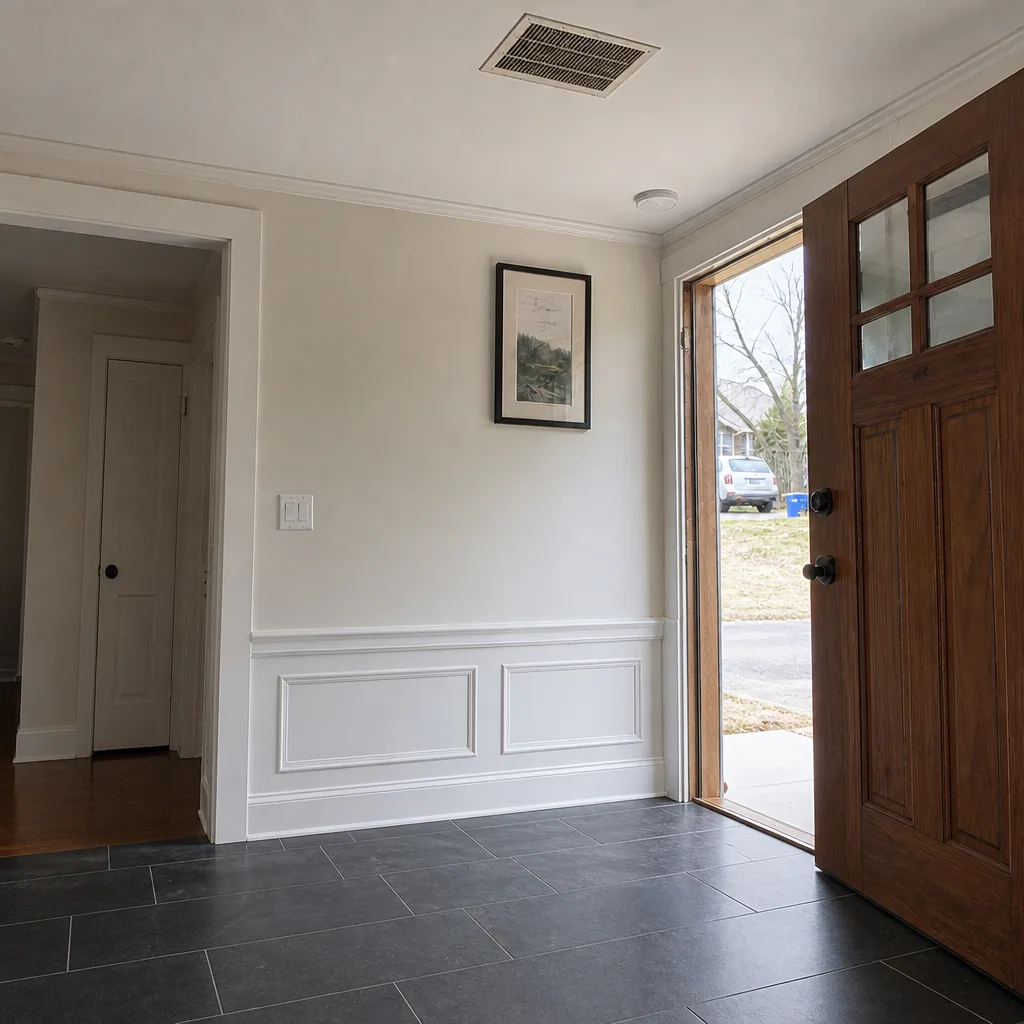 After
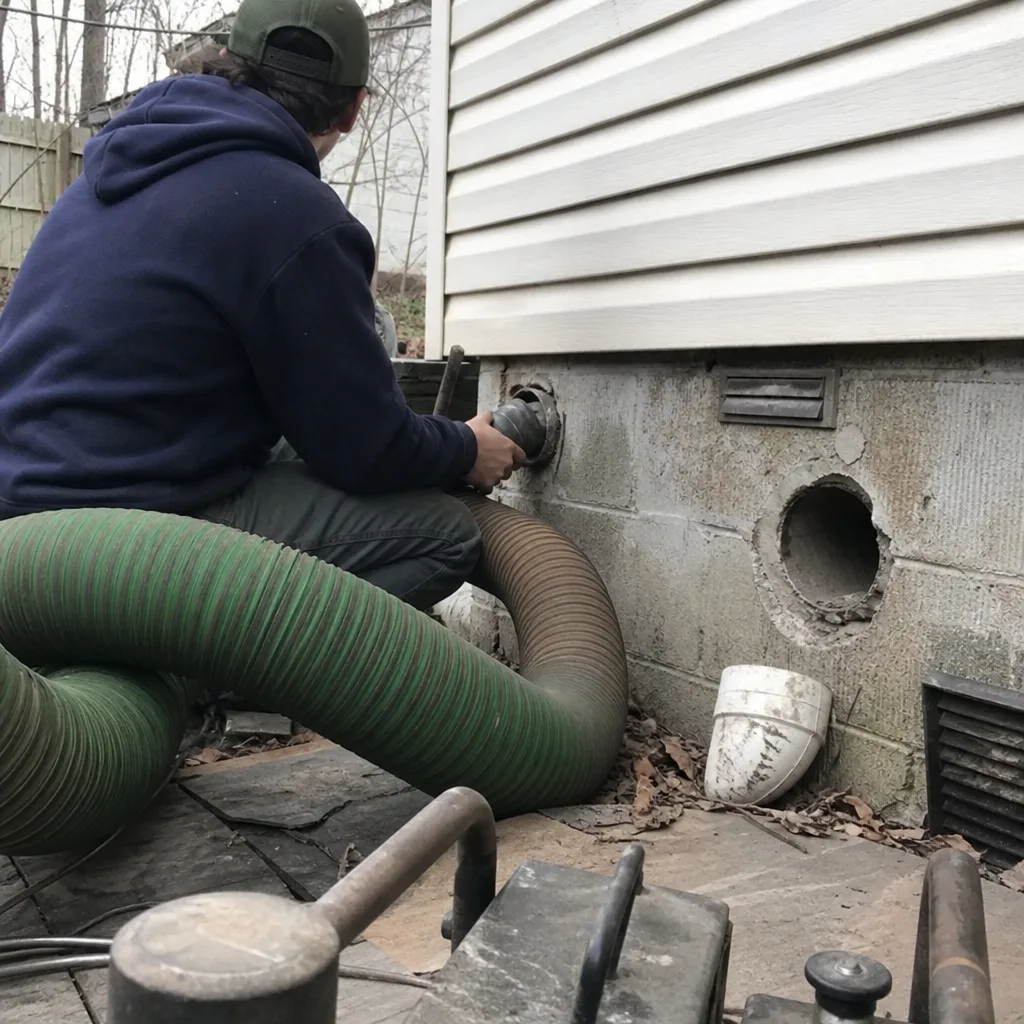 Before
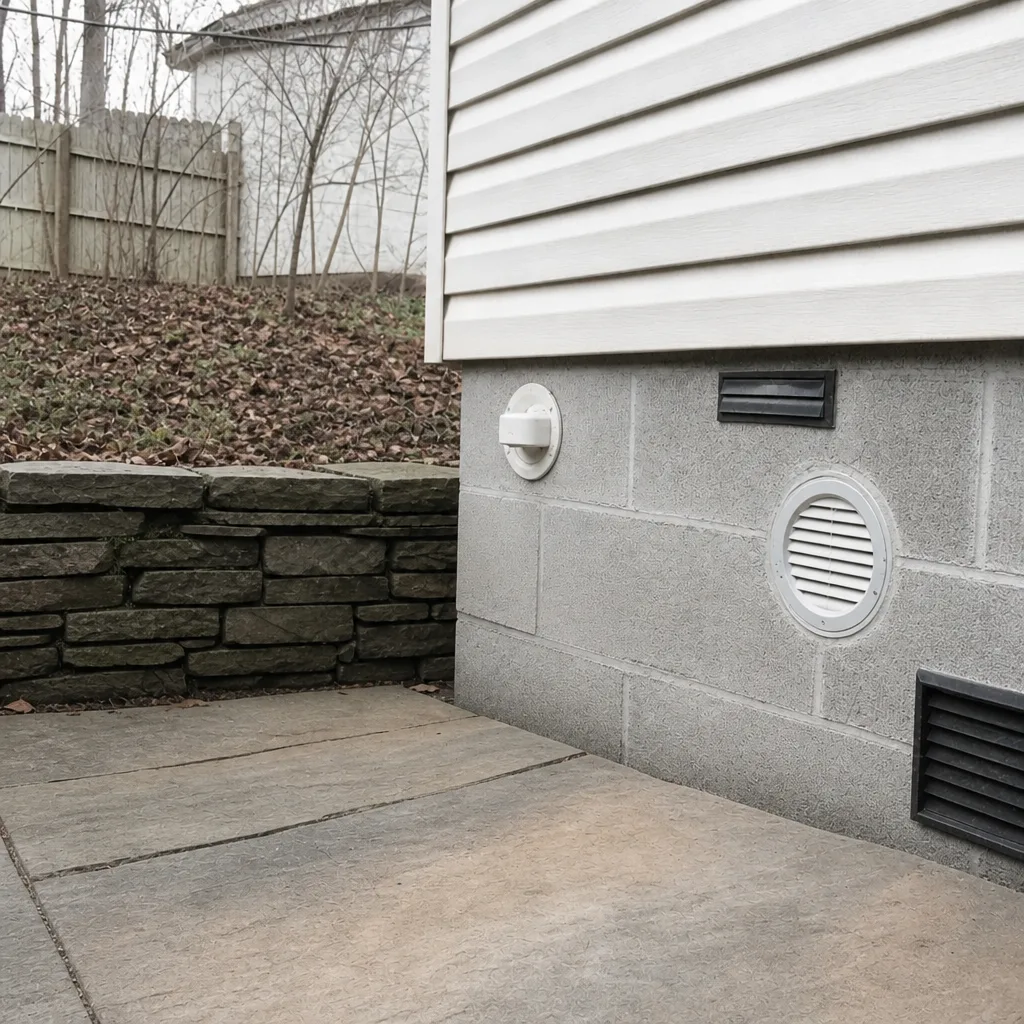 After
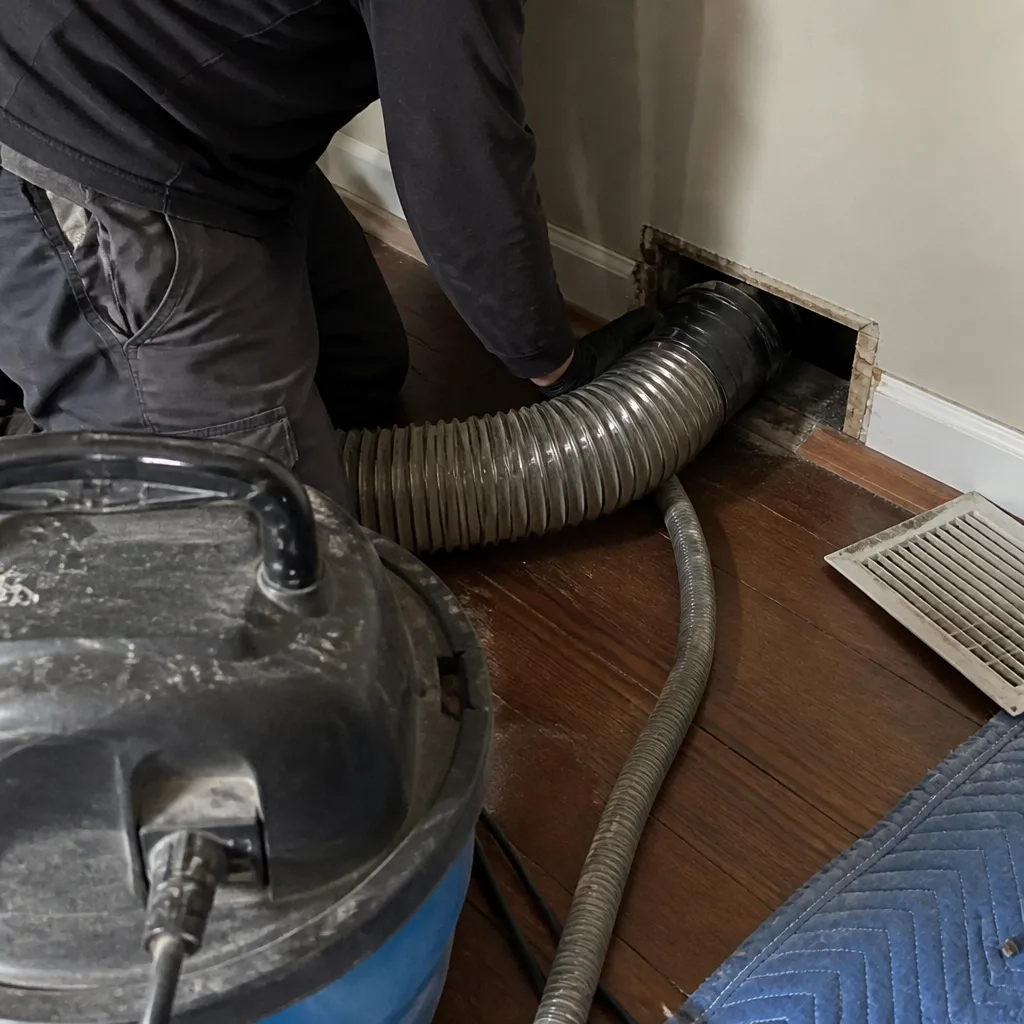 Before
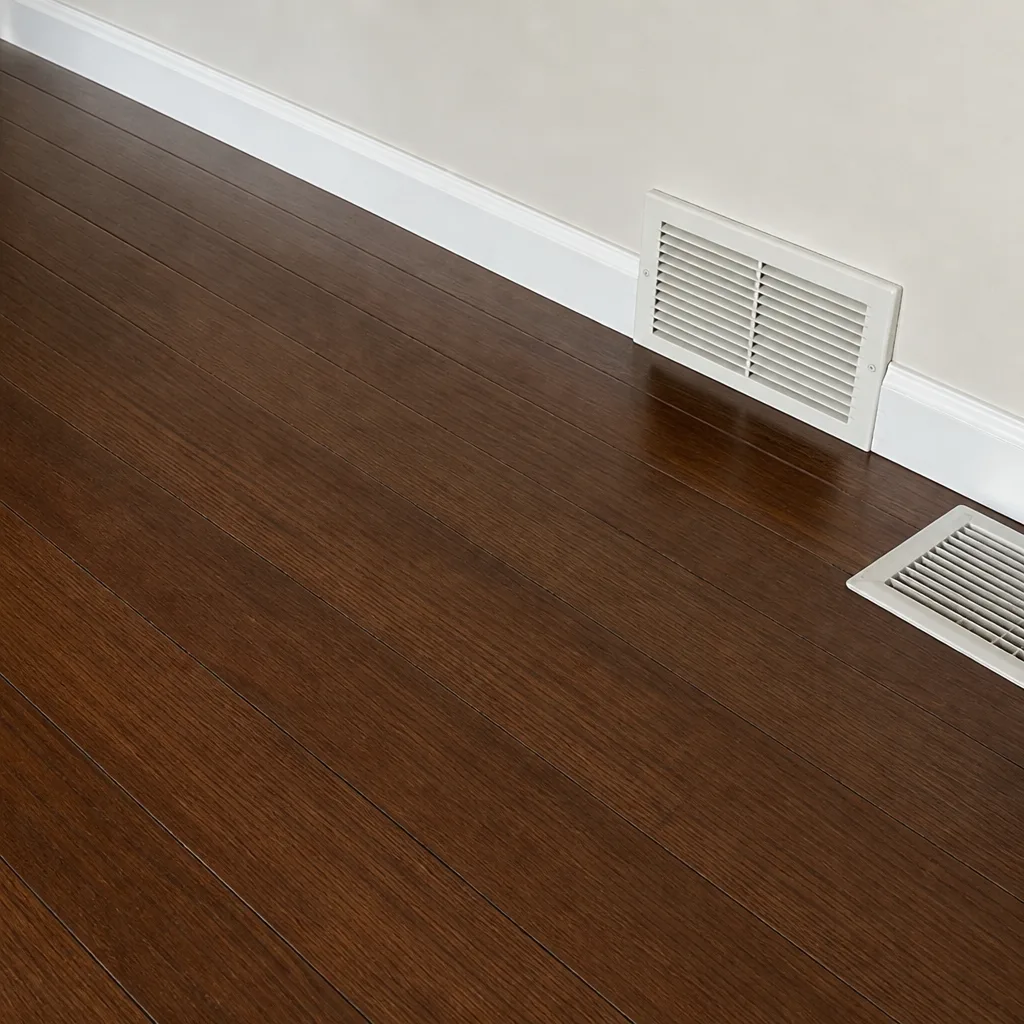 After
When to Call a Professional
Call us when any of these apply: you’ve completed a renovation and see drywall dust or sawdust collecting on return grilles; you’ve found visible mold or water staining near a register boot or on the plenum; there’s evidence of rodent or insect activity inside the ducts; a bedroom or living area has noticeably weaker airflow with no filter explanation; you’re getting persistent musty odors every time the system runs; or your dryer recently started taking longer than usual to dry a load. Any of these are cases where cleaning alone may not be the right answer – repair may be needed alongside, and a source-removal visit is the way to find out. Jasper Duct Cleaning offers free estimates in Raleigh – call (844) 834-2817. We answer 24/7, and we can book the visit with fast dispatch from 7am to 7pm, Sunday through Friday. If you’d rather look at the dryer vent side separately, our dryer vent cleaning page covers that service end to end.
Also worth knowing: the price is set per job by the written estimate, and it’s the same flat rate per system whether you’re on the first floor of a ranch in North Raleigh or up three flights in a townhome near downtown. We don’t advertise teaser prices on the front end and change the number on the back end.
Frequently Asked Questions
You can handle a subset of the work: register covers, return grilles, filter changes, dryer lint trap maintenance, and visual inspection of accessible flex duct. What you can’t do effectively with consumer tools is extract compacted debris from the inside of duct runs or from the air handler itself, because a residential vacuum doesn’t generate the negative-air pressure to move the material out of the system. If you’re seeing visible dust build-up only on register faces, DIY is fine. If you smell odors, see moisture staining, or have recent renovation debris, schedule a professional visit. Call (844) 834-2817 for a free estimate – we can tell you which kind of job you’re dealing with.
Pricing depends on the size and configuration of your system, whether flex or rigid metal duct, and whether repair work is part of the scope. Every job is priced as a flat rate per system, agreed in a written estimate before any work begins – not per vent, and not with a teaser rate that gets revised on-site. Because the exact number depends on your system, the honest way to get it is a free estimate. Call (844) 834-2817 and we’ll schedule one.
Cheaper quotes usually reflect either a smaller scope than you think – often register-face cleaning only – or equipment that can’t do source removal. A consumer-grade shop-vac and a brush head in a crew truck is not the same as a HEPA-rated vacuum with containment. The cheapest quote often becomes the highest total when a follow-up visit is needed for what the first visit didn’t remove. Ask any provider to name the vacuum system and containment equipment they’ll use. Call (844) 834-2817 for an honest scope-and-price discussion.
Ask for before-and-after photographs of your own ducts – not stock images. A limited-scope cleaning leaves obvious debris behind, and a source-removal cleaning should show you the interior of the main trunks clearly emptied. If a provider won’t document with photos, that’s a signal to look elsewhere, and it’s the single most useful protection against the bait-and-switch reputation this trade carries. We photograph our own work at every visit; call (844) 834-2817 to schedule.
There’s no fixed calendar. Frequency depends on your system, your household, and events – not years. A home with pets, recent renovations, or a filter that clogs fast needs attention sooner than a well-maintained home with clean history. Typical drivers are visible debris on the return side, stale or musty odors on system startup, recent renovation, or an unexplained airflow change. If none of those apply, waiting is fine; if any do, a professional visit pays you back better than a calendar appointment. Call (844) 834-2817 for an assessment.
No, and treating it as part of the same service is one of the reasons it gets skipped. A dryer vent is a completely separate run: it starts at the back of the dryer and exits the house, and it carries hot, lint-heavy air. Clogged dryer vents are a fire-safety concern, which is why we treat dryer vent cleaning as its own service with its own process rather than as an optional add-on. If your dryer is taking longer to dry a load or the exterior cap feels weak on a windy day, that’s the call to make. Call (844) 834-2817 to schedule a separate visit.
The Bottom Line
The DIY vs professional question isn’t about effort. It’s about whether your tools can move debris out of the system or only loosen it. Consumer kits and shop-vacs handle surface work – register covers, filters, accessible flex duct inspection – and doing that maintenance yourself genuinely helps. Once the issue moves into the ducts, the air handler, or involves renovation debris, mold, vermin, or a damaged flex run, source removal with professional negative-air equipment is the rational call. A Raleigh homeowner who walks the system, documents what they see, and calls for a free estimate with a specific scope in mind gets a more accurate job and a cleaner system at the end than one who rents a kit and hopes. Call (844) 834-2817. We answer 24/7. Fast dispatch from 7am to 7pm, Sunday through Friday.
Written by the team at Jasper Duct Cleaning.