
Last updated November 15, 2026
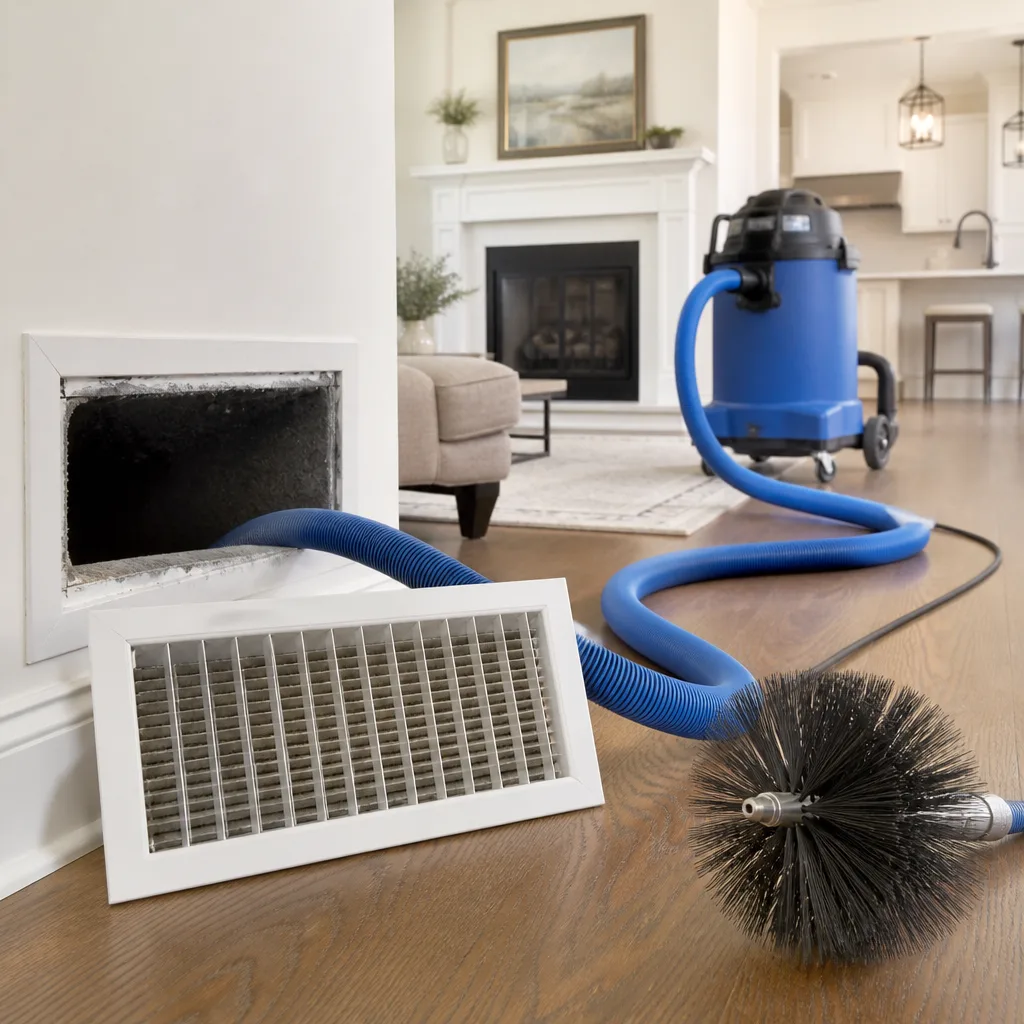 Whole-home duct cleaning
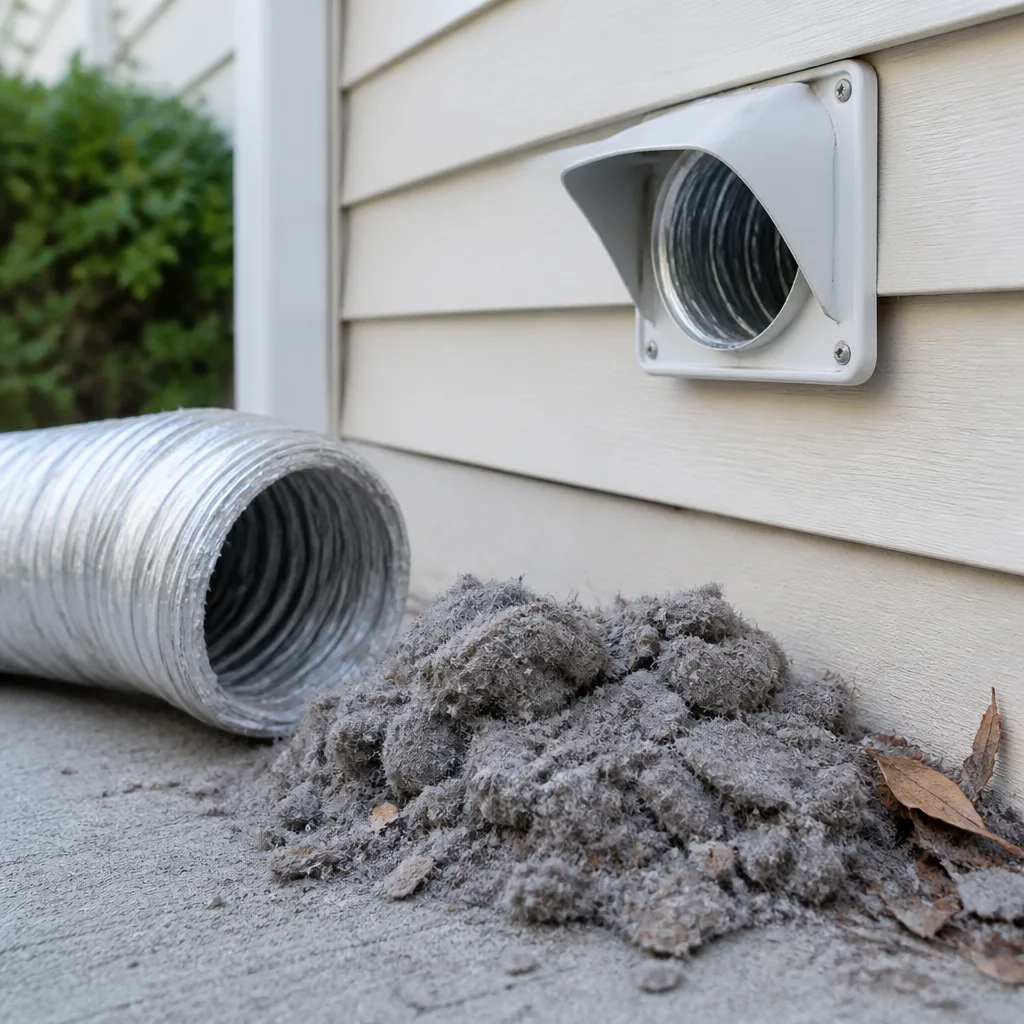 Dryer vent cleaning
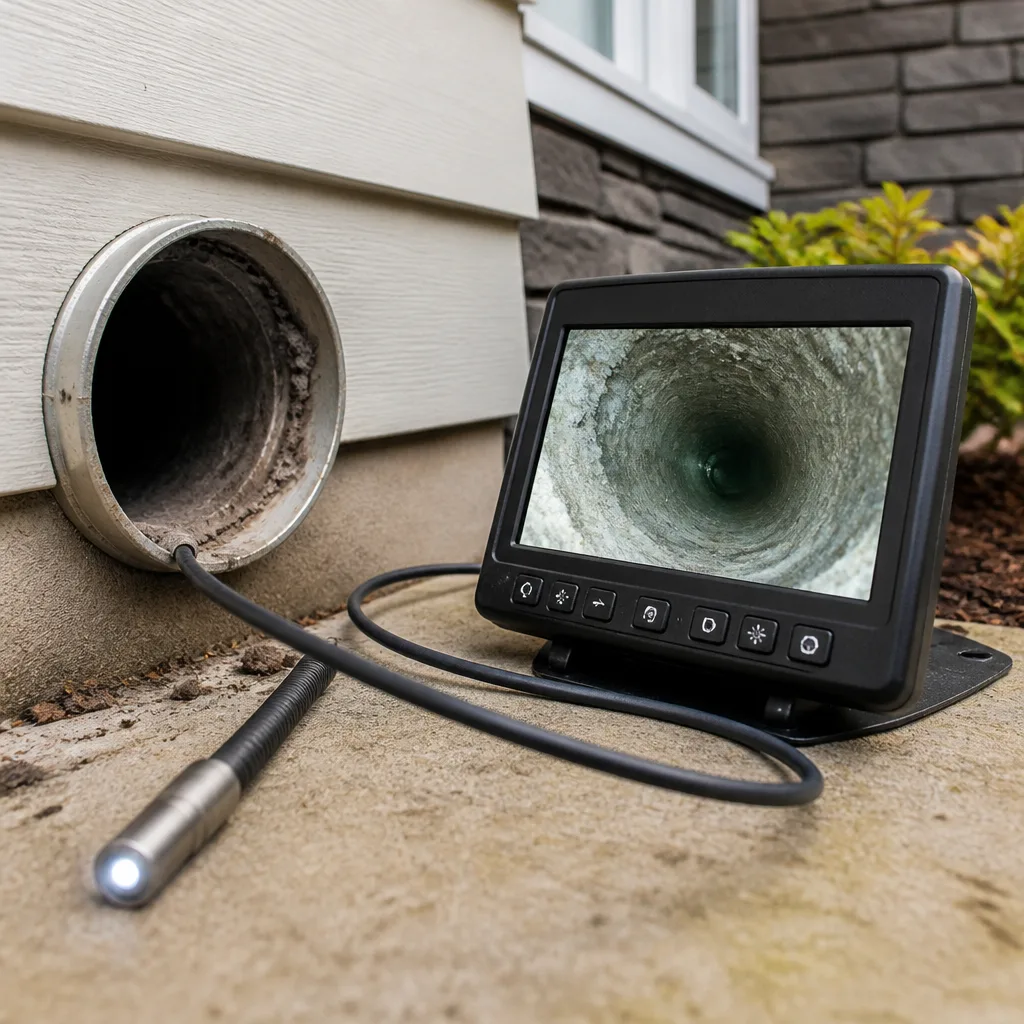 Camera inspection
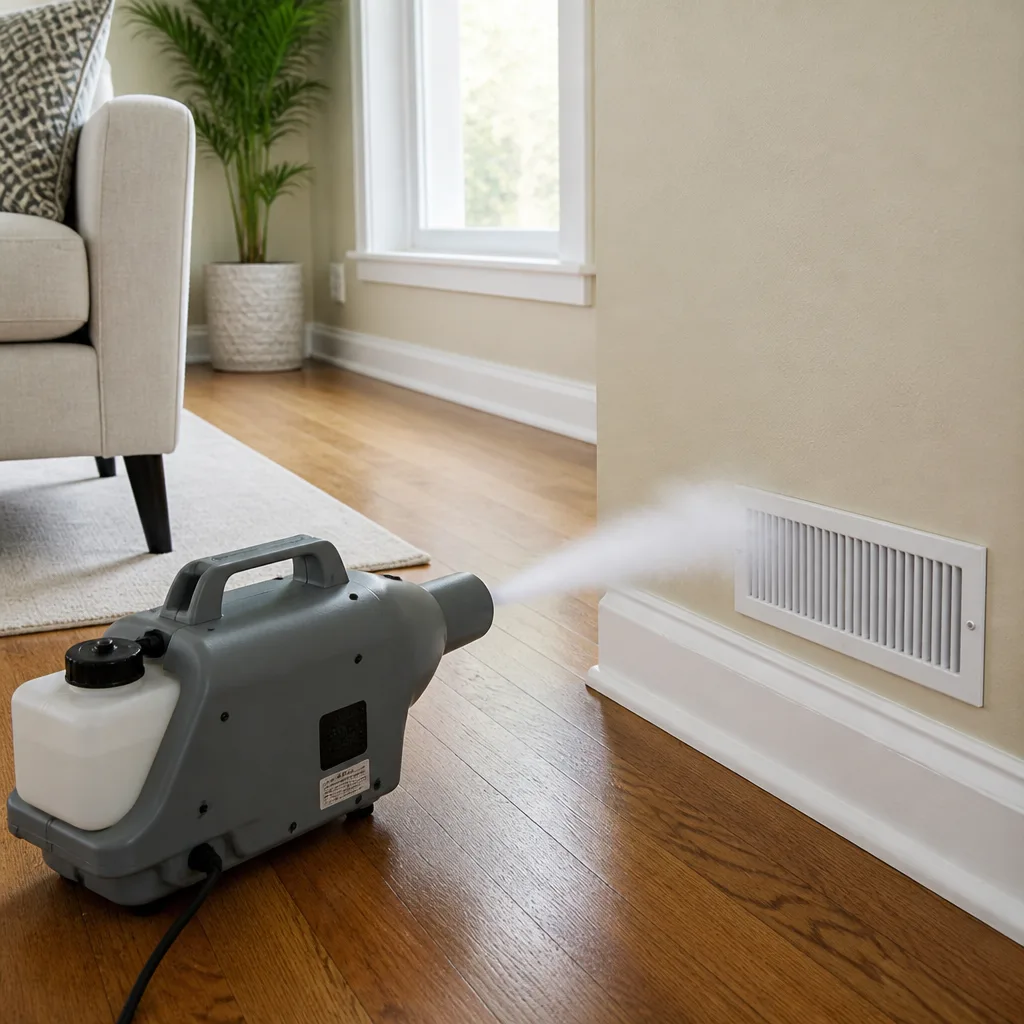 Sanitizing & deodorizing
Whole-system duct and dryer vent check with before-and-after photos - you see exactly what came out of your vents
That "$99 whole-house special" is a bait ad - the real number appears once they are in your hallway, or the "clean" is a shop-vac at the register. We photograph the inside of your ducts before and after instead.
Air Duct Cleaning Maintenance Checklist for Raleigh Homeowners
Changing your filter on a schedule feels productive. It’s the one duct task most homeowners actually do. But if your duct joints are leaking in the attic or a run of flex duct is kinked behind a knee wall, that fresh filter is the least of your problems. A filter catches what reaches it. It does nothing about crushed ductwork, pulled-apart seams, or the dust that settles on the inside walls of the trunk line regardless of how often you swap the filter. What follows is a task-by-task framework tied to what’s actually happening inside Raleigh ducts through the year: spring pollen, the July humidity peak, the first heat cycle in November, and everything between.
Quick Answer
A workable air duct maintenance schedule in Raleigh means changing filters about every 60 to 90 days (sooner during oak pollen season), checking register airflow and visible dust monthly, scheduling a professional cleaning every 3 to 5 years for a typical home, and treating torn, disconnected, or kinked ductwork as a repair job rather than a cleaning job. The tasks that matter most are the ones you can observe without opening the system: weak airflow at one register, a musty smell on startup, or a visible dust line at a vent. Those signals tell you more than any calendar.
Styles & brands we work with
- Whole-home duct cleaning
- Dryer vent cleaning
- Camera inspection
- Sanitizing & deodorizing
Table of Contents
- The Raleigh Seasonal Duct Calendar
- What You Can Check Yourself (Without Opening Anything)
- Choosing Filters for Raleigh’s Particulate Mix
- Month-by-Month Checklist
- Filter Change vs. Duct Cleaning: What Each Actually Does
- How to Document Duct Condition Over Time
- When a Checklist Item Means Repair, Not Cleaning
- Humidity, Condensation, and Duct Insulation
The Raleigh Seasonal Duct Calendar
Duct maintenance in Raleigh follows a different rhythm than it does in, say, Phoenix or Minneapolis. The reason is the transition count. A Raleigh home runs its heat in the morning in March and its air conditioning by the afternoon, then flips back by dinner. Every one of those flips moves a fresh volume of air through the duct system, and every flip is a chance for accumulated dust to lift off the duct walls and into the living space.
Four seasonal pressure points carry most of the load:
- Spring pollen (roughly March into May): Oak pollen is the heavy hitter in the Triangle. It coats outdoor surfaces, gets tracked in, and loads return-air filters faster than any other season. Window screens and door sweeps let fine pollen through, and the return grille pulls it straight into the system.
- Summer humidity (July into August): A cooling coil produces condensate, and ductwork that runs through unconditioned attic space is the coldest surface in the house. Poorly insulated or leaking return ducts in a hot attic can sweat, and a damp duct is a dust magnet. This is when musty startup smells show up.
- Fall transition (October into November): The first heat cycle after months of cooling pushes out whatever settled in the supply trunks during the air conditioning season. That’s the burned-dust smell many people notice on the first cold morning. It’s normal once. If it persists for a week, something’s worth checking.
- Winter heating (December into February): Heat runs drier, and static charge in the ducts rises. Static makes dust cling to duct walls and register grilles, which is why grilles look filmy by mid-January.
Build your checklist around these four windows and the rest of the year mostly takes care of itself. The tasks below are ordered to match. If you want the full service scope, our air duct cleaning page lays out what a professional visit actually involves.
What You Can Check Yourself (Without Opening Anything)
You don’t need to remove a register or crawl into the attic to get useful information about your ducts. In our experience, the most reliable diagnostic signals are the ones a homeowner can observe in five minutes with a hand and a nose.
Here’s what’s worth checking, and what each signal means:
- Register airflow, by hand: Hold your palm a few inches from each supply register with the system running. Airflow should feel broadly similar from room to room. One register noticeably weaker than the rest points to a problem in that branch line: a damper closed somewhere, a crushed or kinked run, or a disconnected joint.
- Visible dust at the grille: A thin, even film on supply grilles after a couple of weeks is normal. A heavy dust ring around the edges of a return grille, or dust streaming out of a supply, means debris is being pushed through the system. That’s a cleaning signal, or a leak pulling attic air into the return.
- Smell on startup: Stand near a register when the system first kicks on after a long off period. A faint dust smell is normal. A musty, damp, or “dirty sock” smell suggests moisture or biological growth somewhere in the system, commonly a damp evaporator coil or a duct in humid attic space. That one deserves a professional look rather than a filter change.
- Temperature difference between rooms: If one bedroom is consistently a few degrees off from the rest of the house, duct sizing or a leak in that branch is the usual suspect. A cleaning won’t fix it; a duct inspection will find it.
- Dust settling on horizontal surfaces: A light dust layer builds up over a week or two in any home. If it comes back within a day or two of dusting, and you’ve checked the filter, the source may be the ducts themselves or a return leak.
Write down what you find. The documentation section below explains why that matters.
Choosing Filters for Raleigh’s Particulate Mix
MERV rating alone doesn’t tell the full story, and treating it as the only number leads a lot of Raleigh homeowners into a filter that’s technically “better” but functionally worse for their system. Here’s the trade-off.
MERV measures how well a filter captures particles of a given size. Higher MERV traps finer particles. But a higher-MERV filter is also more restrictive, and in a system designed for a low-pressure filter, swapping in a high-MERV one strains the blower and can cut airflow to the far rooms. That reduced airflow then reads, to the homeowner, like a duct problem.
For Raleigh specifically, the particulate mix looks like this:
- Pollen grains are relatively large and get caught by modest MERV ratings. A MERV 8 to MERV 11 filter captures most of it.
- Fine dust and smoke particles are smaller and need a higher MERV to catch, but those finer filters are the restrictive ones.
- Humidity-driven growth isn’t a filter problem at all. No MERV rating stops biological growth on a damp coil or duct. That’s a moisture and insulation problem.
Practical filter selection for most Raleigh homes:
- Check the filter size printed on the edge of the existing filter, or on a sticker inside the air handler cabinet.
- Start with MERV 8 to MERV 11 for a standard residential system. It balances pollen capture against airflow.
- Only go higher (MERV 13) if the system is rated for the added pressure drop, or if you have a whole-home air quality setup designed for it. If you run a Honeywell or Aprilaire media cabinet, the filter it’s built around is the right choice – those systems are matched to their filter, and dropping in a random high-MERV panel can defeat the design.
- Replace every 60 to 90 days, and cut that to 45 days during peak oak pollen in spring.
The cheapest filter is rarely the right one, and the most expensive is often the wrong one. Match the filter to the system, not to the marketing on the box.
Month-by-Month Checklist
This is the diagnostic calendar. Print it, put it on the fridge, and treat the starred items as professional-only. The rest you can handle yourself.
January
- Change the filter.
- Wipe dust film from supply grilles (static charge makes them clingy in winter).
- Check register airflow by hand – consistent heat to every room?
February
- Inspect the return grille for a heavy dust ring. If present, note it.
- Listen for rattling or whistling at any register – a sign of a loose joint or damper.
March
- Oak pollen season begins. Change the filter now, even if it’s not due.
- Keep windows closed on high-pollen days and check the filter every three weeks through May.
- Check that door sweeps and window screens are intact – pollen finds every gap.
April
- Change the filter again if it’s visibly gray.
- Sniff for musty odor at startup as the cooling season begins.
May
- Final pollen-season filter change.
- Check outdoor condenser clearance and confirm the return-air path is unobstructed.
June
- Change the filter.
- Look for condensation or dampness on any exposed duct in the attic or crawlspace. Damp is a red flag.
July
- Humidity peak. Check attic duct insulation for gaps – a sweating duct is a dust collector.
- Check for musty smell at startup again; if it’s present, note it for a professional.
- Run the system fan on a low, continuous setting only if your thermostat supports it and your ducts are sealed. Otherwise leave it on auto.
August
- Change the filter.
- Test airflow at every register by hand.
September
- Change the filter.
- Look at the return grille again – is the dust film heavier than in spring?
October
- Pre-heat-season check. Dust the supply grilles, change the filter, and run the heat once for ten minutes to clear any settled dust before you need the system. Do this on a mild afternoon with the windows open.
November
- Note the first-heat-cycle smell. Faint and gone in an hour is fine. Persistent for a week means a professional inspection.
- Change the filter.
December
- Change the filter if it’s dirty.
- Recheck airflow at each register – heating now, so any weak room will show up.
The starred professional-only items are the humidity and musty-smell flags. Those need an inspection rather than a filter swap. Our Raleigh service overview covers what a full inspection looks like. On the separate question of your clothes dryer’s exhaust – it’s a fire-safety system, and we treat it as its own task list – see dryer vent cleaning.
Filter Change vs. Duct Cleaning: What Each Actually Does
These two tasks get treated as the same thing, and they’re not remotely the same thing. A filter protects the blower and the coil from incoming debris. Duct cleaning removes the accumulated debris that’s already inside the duct walls. You can’t do one by doing the other more often.
Here’s the distinction in plain terms:
- A filter catches what reaches it. Its job is downstream equipment protection. It does nothing about the duct wall surface, the joints, or the insulated return trunk.
- Duct cleaning removes settled debris. A professional-grade brush-agitation system dislodges compacted dust from the duct wall, and a HEPA-rated vacuum with containment pulls it out without recirculating it into the house. That’s what we run – Rotobrush brush agitation paired with Nikro HEPA vacuum, plus Abatement Technologies negative-air containment so loosened debris doesn’t escape into the living space mid-job.
- Neither fixes a leak. Torn flex duct, disconnected joints, and crushed runs are repair problems. Cleaning a system that leaks is like cleaning a bucket with a hole in it.
Frequency-wise, most Raleigh homes with standard filter discipline fall into a cleaning cycle of every 3 to 5 years. A home with pets, a recent renovation (drywall dust is brutal on ducts), or a resident with allergies may want it sooner. A newly purchased home often wants it right away, because you don’t know what the previous owner did – or didn’t do.
The reason the 3-to-5-year figure varies is that it’s driven by what’s actually in the ducts, not by a standard interval. Which brings us to the next task: documentation.
How to Document Duct Condition Over Time
You can’t guess your way to a cleaning interval. Guessing is what produces long gaps followed by panic calls, and it’s why some homeowners clean every year and others wait a decade. If you keep a record of what you observe, the interval finds itself.
What to document, and how:
- Photograph your registers once a season. A phone photo of a supply grille under consistent lighting on the same date each season gives you a visual timeline. Compare spring to fall. If the film thickens noticeably within one season, your ducts are accumulating, not holding steady.
- Log the filter. Write the date on the filter edge in pencil each time you change it, and keep a running list in your phone’s notes app. You’ll spot a sudden shortening of the interval – a sign the system is pulling in more debris than it used to.
- Note smells and what fixed them. A startup smell that fades means low-level dust. One that grows over the season is different, and worth a line in the log.
- Record the professional cleaning date and what was found. If a technician finds that return duct seams are pulling apart, that goes in the record. Cleaning frequency is only part of the picture; repair history is the other part.
- Note major home events. A renovation, a new pet, a roof replacement, a furnace replacement. Each floods the system with a different kind of debris load.
Two or three seasons of records tell you more about your specific home’s duct interval than any generic rule. And when you do call a professional, the record helps: the technician can match what they find against what you’ve observed, rather than starting cold.
We use this same record-keeping approach on our jobs, and before-and-after photos of your own ducts are part of every visit – so you can see what was removed rather than take it on faith.
When a Checklist Item Means Repair, Not Cleaning
This is the part of the checklist most national maintenance guides skip, and it’s where Raleigh homes get shortchanged. A cleaning crew shows up, vacuums, and leaves. If your ductwork has problems that vacuuming can’t reach, nothing changed.
These checklist observations mean call a repair-capable provider, not just a cleaner:
- One register with significantly weaker airflow than the rest, persisting across seasons. That’s a branch-level problem: a crushed run, a closed or broken damper, a disconnected flex joint, or a run sized too small.
- A musty smell that returns within weeks of a cleaning. The cleaning removed the surface growth but the moisture source is still there. Could be a duct running through humid attic space without proper insulation, or a coil problem.
- Visible dust streaming out of a supply register while the system runs. That’s a leak pulling contaminated air into the system, or a supply-side failure. Cleaning won’t stop it.
- Ductwork visibly disconnected in the attic or crawlspace. Flex duct pulls apart at the collars, and when it does, you’re ventilating your attic into your living room. That’s a repair, and it’s a big one, because it also wastes energy.
- Condensation on any duct surface in summer. Damaged or compressed insulation, or unsealed joints, is typically the cause. Fixing the leak can be as important as re-insulating.
We repair what others only clean. That’s the reason our scope runs from cleaning to closing gaps and restoring damaged runs – because the checklist you build is only as useful as your ability to act on what it turns up. Related work in the trade has its own safety profile, and we treat that separately; our guide to Jasper Duct Cleaning covers what we do and how.
Humidity, Condensation, and Duct Insulation
Raleigh’s summer humidity is the toughest seasonal load on ductwork in the region. Attic temperatures and outdoor dew points in July and August combine to make any uninsulated or poorly sealed duct the weakest link in the system. A cold duct running through a hot, humid attic gathers condensation, and condensation gathers dust. That’s the musty-smell source most homeowners never identify.
The tasks worth doing here:
- Inspect attic and crawlspace duct insulation seasonally. Look for gaps, compressed sections, and torn jacketing. Any spot where the duct wall is exposed to attic air is a condensation point.
- Check joints for tightness. Seams that have pulled apart let attic air into the duct in summer and let conditioned air escape in winter. Both are expensive.
- Watch for sagging flex runs. Flex duct installed with too much slack or a sharp turn sags and compresses, which reduces insulation value and slows airflow.
- Address any visible condensation promptly. A damp duct isn’t a cleaning priority; it’s a repair priority.
Negative-air containment matters more in humid conditions because loosened debris is stickier and more likely to redeposit. That’s why Abatement Technologies equipment is part of every job we run – it holds the dust at the vacuum head rather than letting it circulate. If your system runs a Honeywell or Aprilaire air cleaner, we work inside it rather than recommending a swap – those units are designed to work with the existing duct system, and they don’t need replacing to be effective.
Humidity is also why a cleaning schedule that works in a dry climate doesn’t translate directly to Raleigh. Add a spring inspection of attic insulation to your calendar and you’ll catch most condensation problems before they become musty-startup problems.
Common Mistakes to Avoid
- Chasing the lowest coupon price. A low headline price often becomes a much larger invoice once the technician is on site, with per-vent charges tacked on after the fact. Ask for a flat, whole-system price before work starts.
- Cranking the MERV rating for no reason. A high-MERV filter in a system designed for a lower one cuts airflow and stresses the blower. Match the filter to the system and check the pressure drop, not just the label.
- Cleaning the ducts but ignoring the leaks. If attic flex duct is pulling apart at the collar, cleaning it just sends more conditioned air (and money) into the attic. Fix the leaks first, then clean.
- Treating the dryer vent as optional. A clogged dryer vent is a genuine fire hazard, not an add-on to a duct cleaning. It needs its own regular schedule, and it’s a different system entirely.
- Waiting for a visible symptom before acting. By the time dust is streaming out of a register, the duct is well past due. The whole point of a checklist is to catch the early signals.
- Assuming a filter change is duct maintenance. Changing filters protects the equipment. It does nothing about what’s already inside the duct walls.
- Not keeping records. Without a log you can’t tell if your ducts are holding steady or accumulating faster than they should. The record is the tool.
See the difference
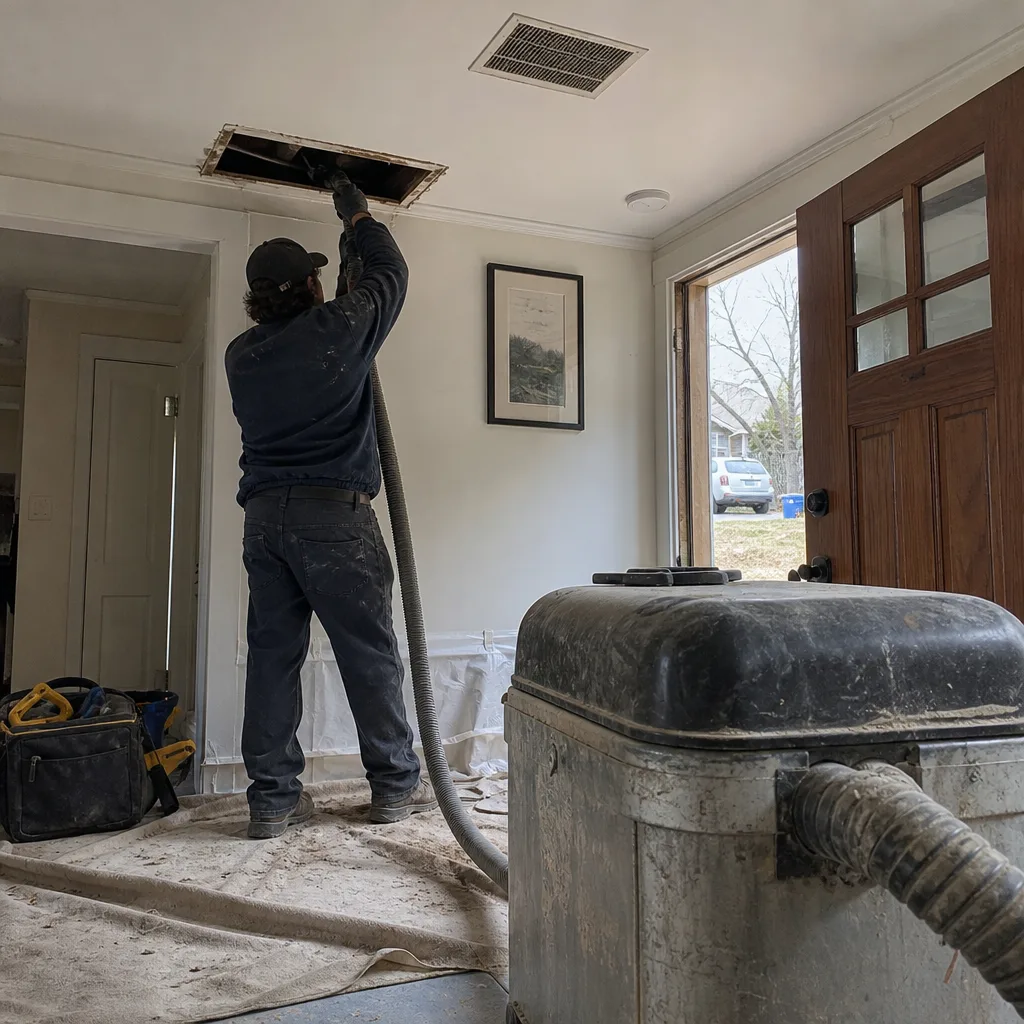 Before
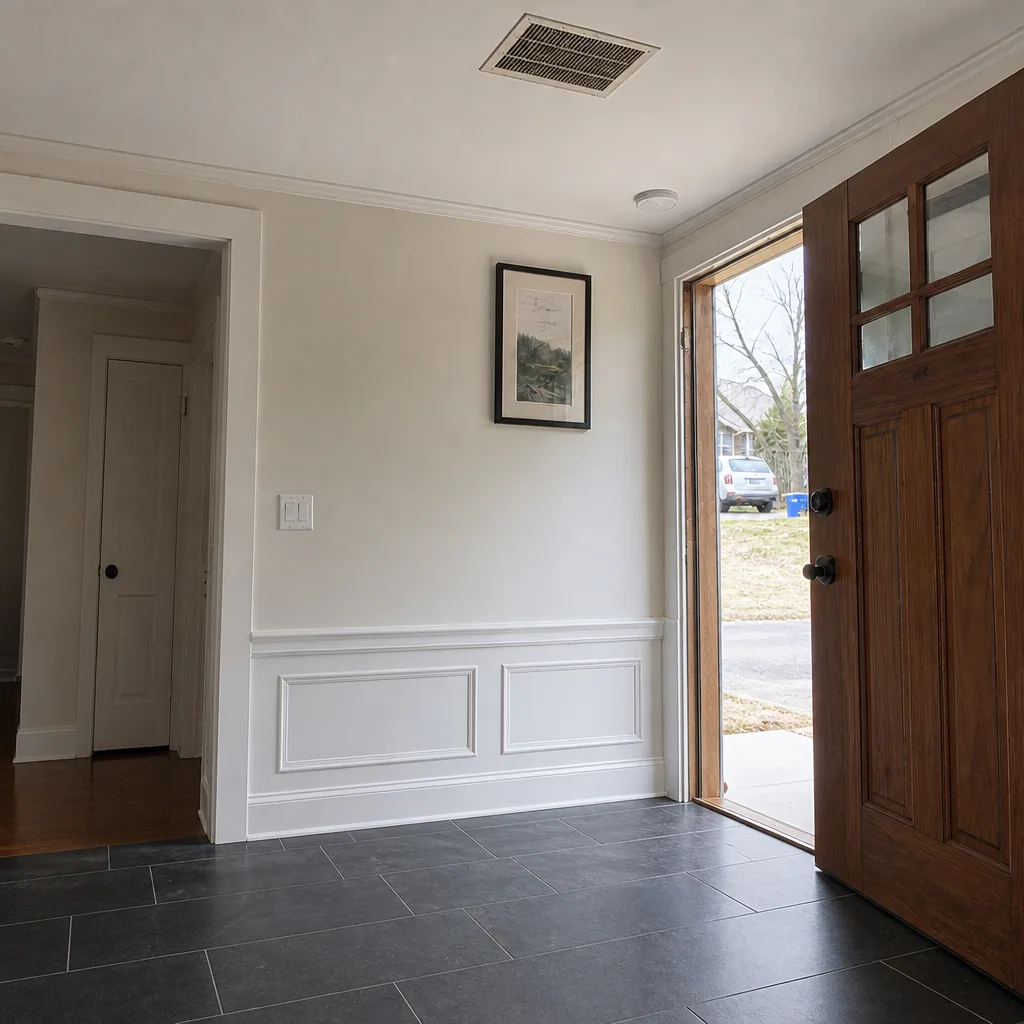 After
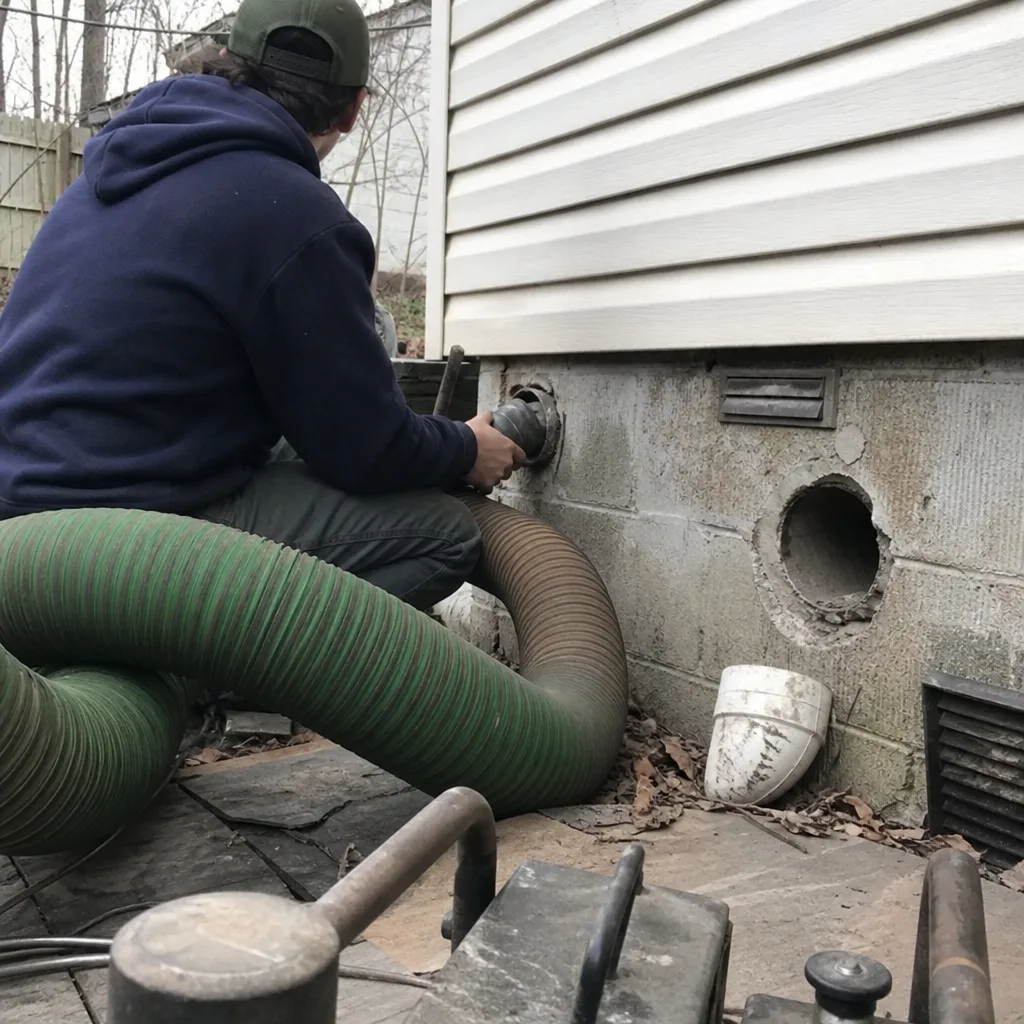 Before
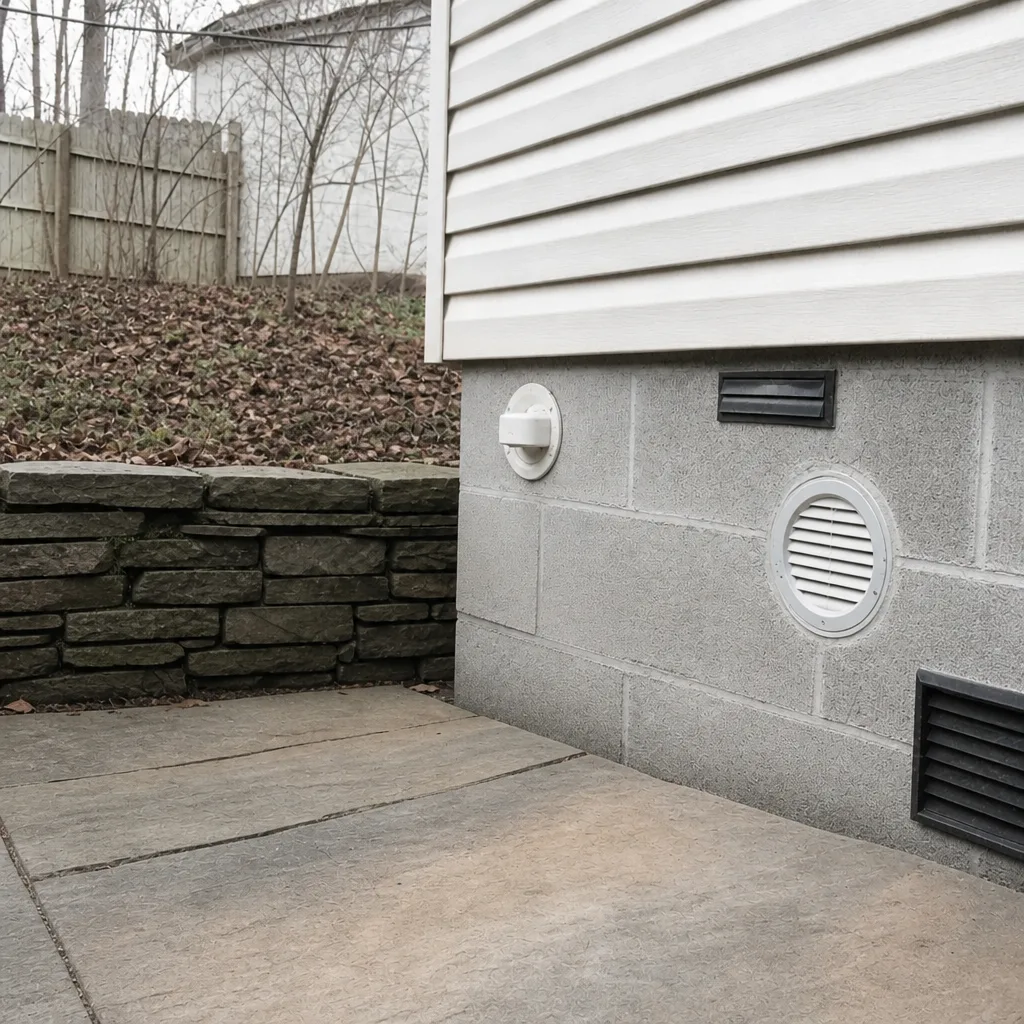 After
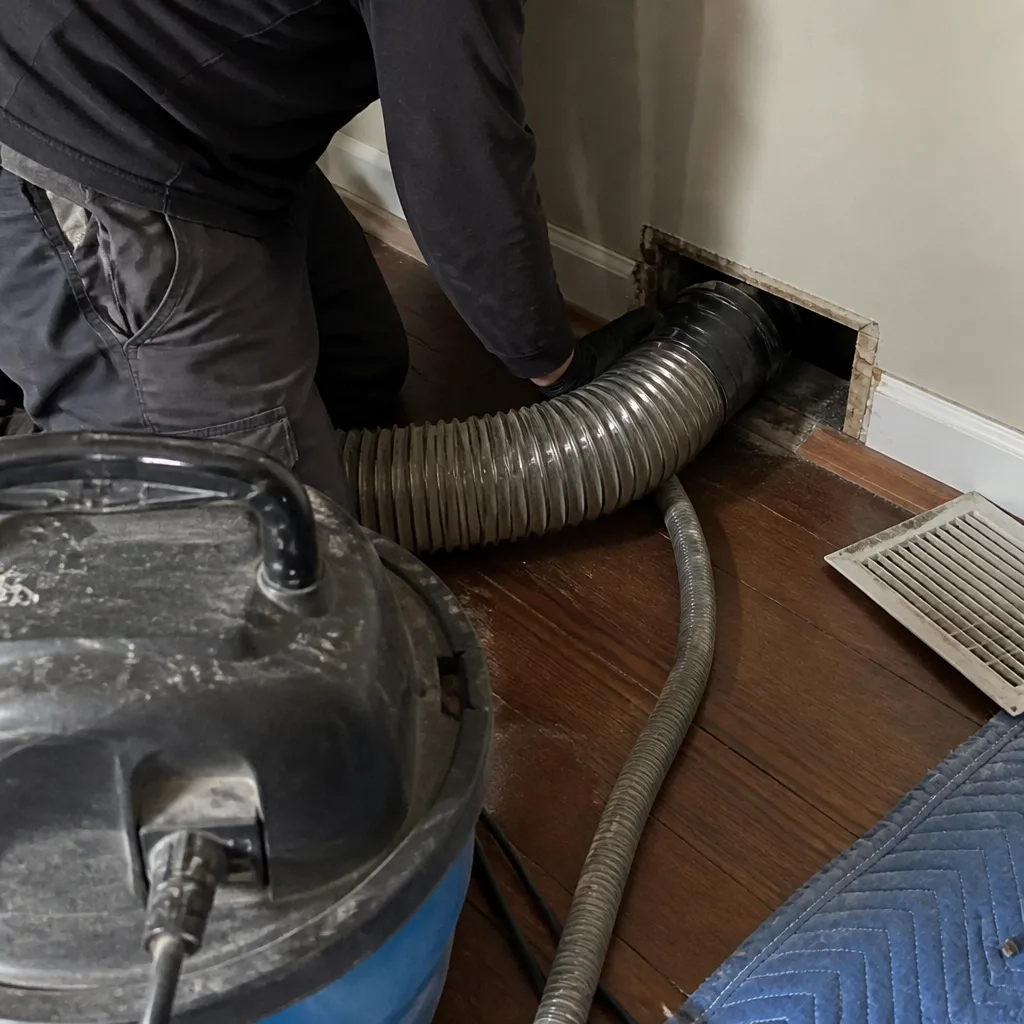 Before
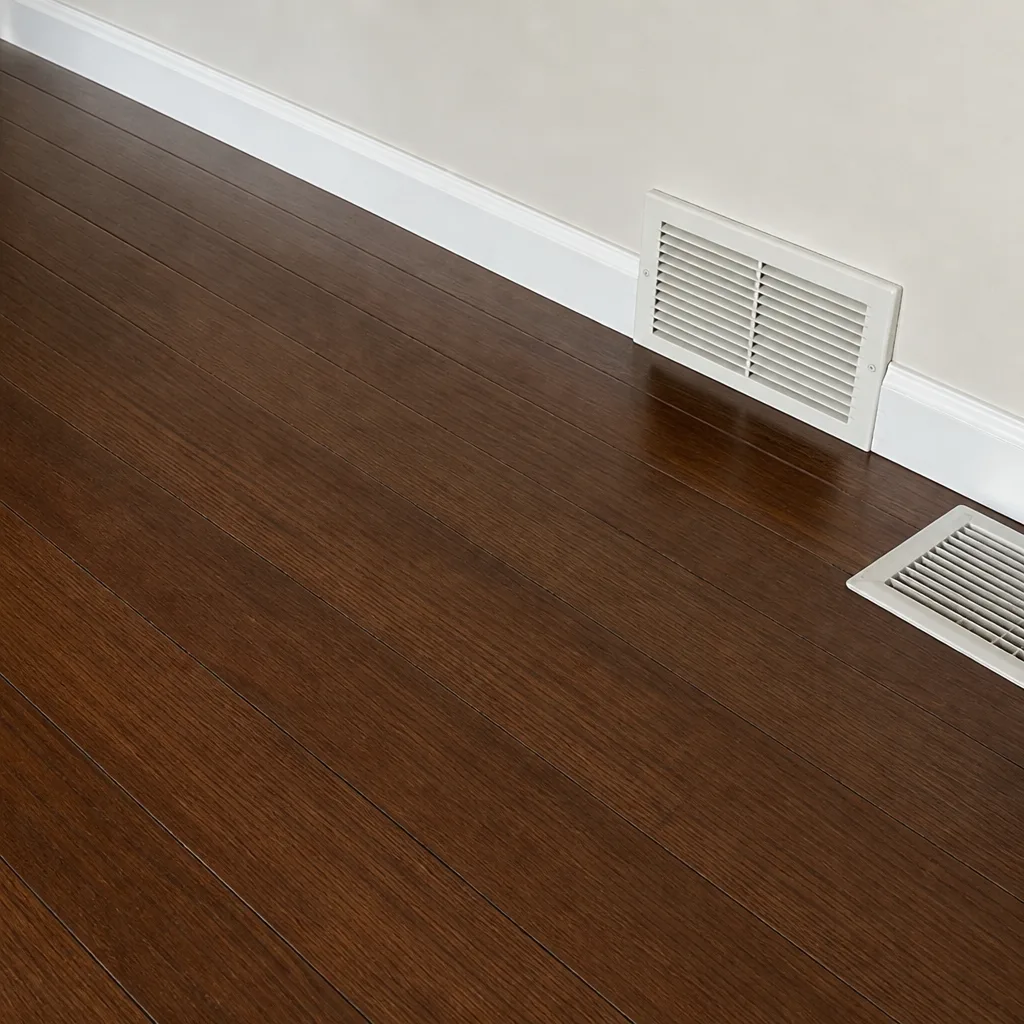 After
When to Call a Professional
Some checklist items are homeowner work. Others need a technician who can open the system, inspect it, and repair what they find. Call a professional if:
- You notice a musty or persistent smell at startup that doesn’t clear.
- One register is significantly weaker than the rest.
- You see dust streaming from a supply vent, or a heavy dust ring at the return.
- Your ducts are damp in summer, or insulation in the attic is damaged or compressed.
- You’ve recently bought a Raleigh home and don’t know the duct service history.
- It’s been 3 to 5 years since the last professional cleaning, and your documentation shows dust levels rising.
Jasper Duct Cleaning offers free estimates in Raleigh – call (844) 834-2817 and we’ll confirm what a visit should cover. We answer 24/7. Fast dispatch from 7am to 7pm, Sunday through Friday. Our technicians have up to 10 years of experience. Every job is one flat price per system, agreed in writing before work starts, with before-and-after photos of your own ducts.
Frequently Asked Questions
For a typical Raleigh home, every 3 to 5 years is a reasonable baseline. That interval shortens for homes with pets, recent renovations, or residents with allergies. Oak pollen season is the most demanding period of the year, and if you notice dust buildup growing faster than that interval accounts for, it’s time to call.
MERV 8 to MERV 11 covers most Raleigh homes well, because pollen is the dominant seasonal particulate and those ratings catch it without restricting airflow. Higher MERV ratings are only appropriate when the system is designed for them. Match the filter to the system’s rated pressure drop, not to the highest number on the shelf. If you’re unsure of the right rating, call (844) 834-2817 and we’ll talk through your setup.
Dust settled in the supply ducts during the cooling season is being cleared out by the first heat cycle. That’s normal, and it should fade within an hour. If the smell persists for a week, or it’s musty rather than dusty, the system needs an inspection rather than another filter change.
You can do the observation and documentation tasks yourself: register airflow checks, filter changes, visual inspections at the grille. You shouldn’t attempt to open or clean the ductwork itself. Getting a brush-agitation system and a HEPA vacuum with proper containment into a duct run is not a homeowner job, and doing it without containment just redistributes the debris into the house. Call (844) 834-2817 and we’ll confirm whether a cleaning is actually needed before you commit.
A damp duct indicates an insulation or moisture problem, which is a repair; a dirty duct is an accumulation problem, which is a cleaning. The two often go together, since moisture makes dust cling, but fixing one doesn’t fix the other. If you see condensation on the outside of any duct in the attic or crawlspace, that’s a repair job. Our Jasper Duct Cleaning team handles both under one scope, so you’re not managing two providers.
After. Drywall dust and construction debris are some of the worst contaminants a duct system takes on, and cleaning before a renovation just means you’ll be cleaning again soon. Schedule the cleaning once the final paint is dry and the drywall sanding is finished, and run the system on low for a short stretch beforehand to draw the worst of it into the filter, which you change right after.
The Bottom Line
A duct maintenance checklist for Raleigh isn’t just a cleaning schedule; it’s a diagnostic calendar. Map filter changes to the pollen calendar and the heat transition. Check register airflow by hand every month. Keep a written log of what you observe so the cleaning interval finds itself. And treat kinked, disconnected, or damp ductwork as a repair item, not a cleaning item, because no amount of vacuuming fixes a gap. The tasks you can do yourself are the filter changes and the inspections. The professional tasks are the cleaning, the repair, and the inspection that goes beyond what you can see. We handle all of it under one roof: cleaning, repair, and the fire-safety work on its own schedule.
Ready for a free estimate? Call (844) 834-2817. We answer 24/7. Fast dispatch from 7am to 7pm, Sunday through Friday. One flat price per system, agreed in writing before work starts, and before-and-after photos of your own ducts so you can verify the work was actually done.
Written by the team at Jasper Duct Cleaning.