
Last updated November 15, 2026
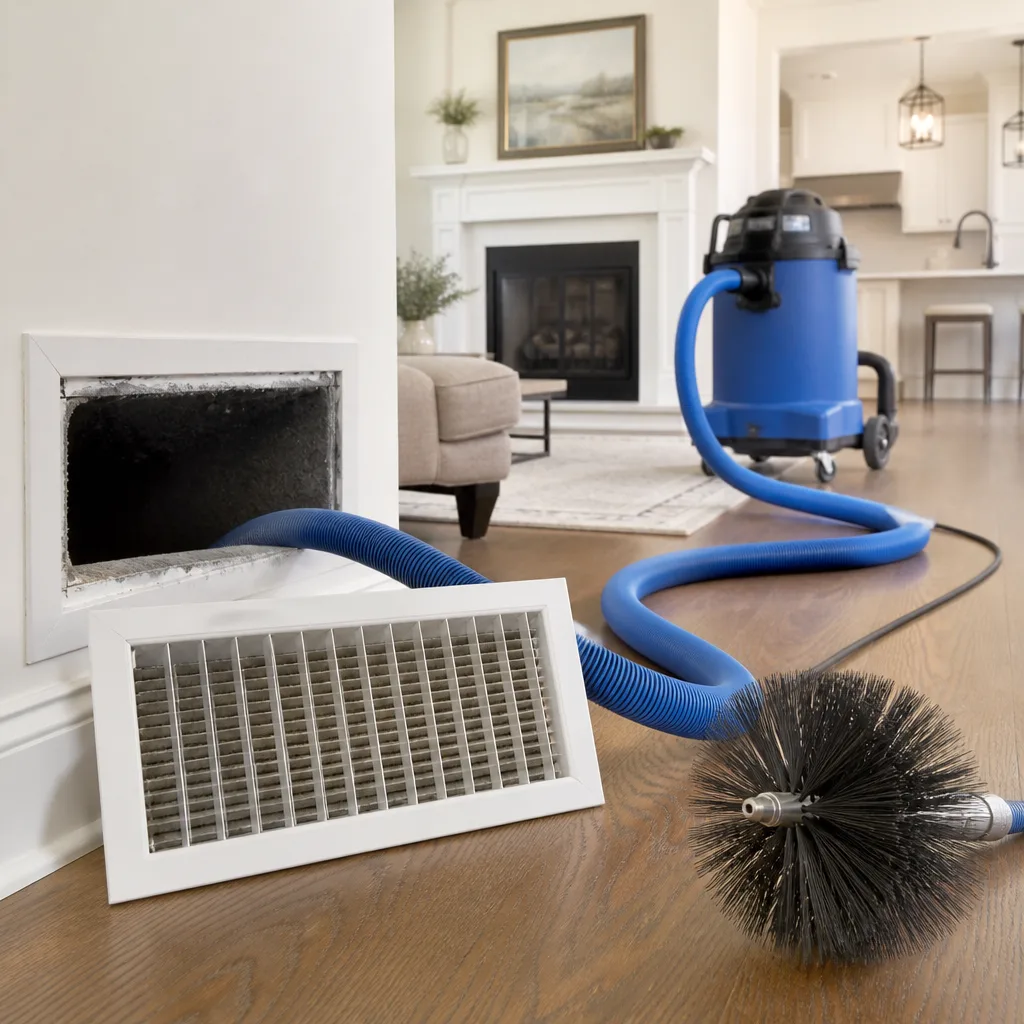 Whole-home duct cleaning
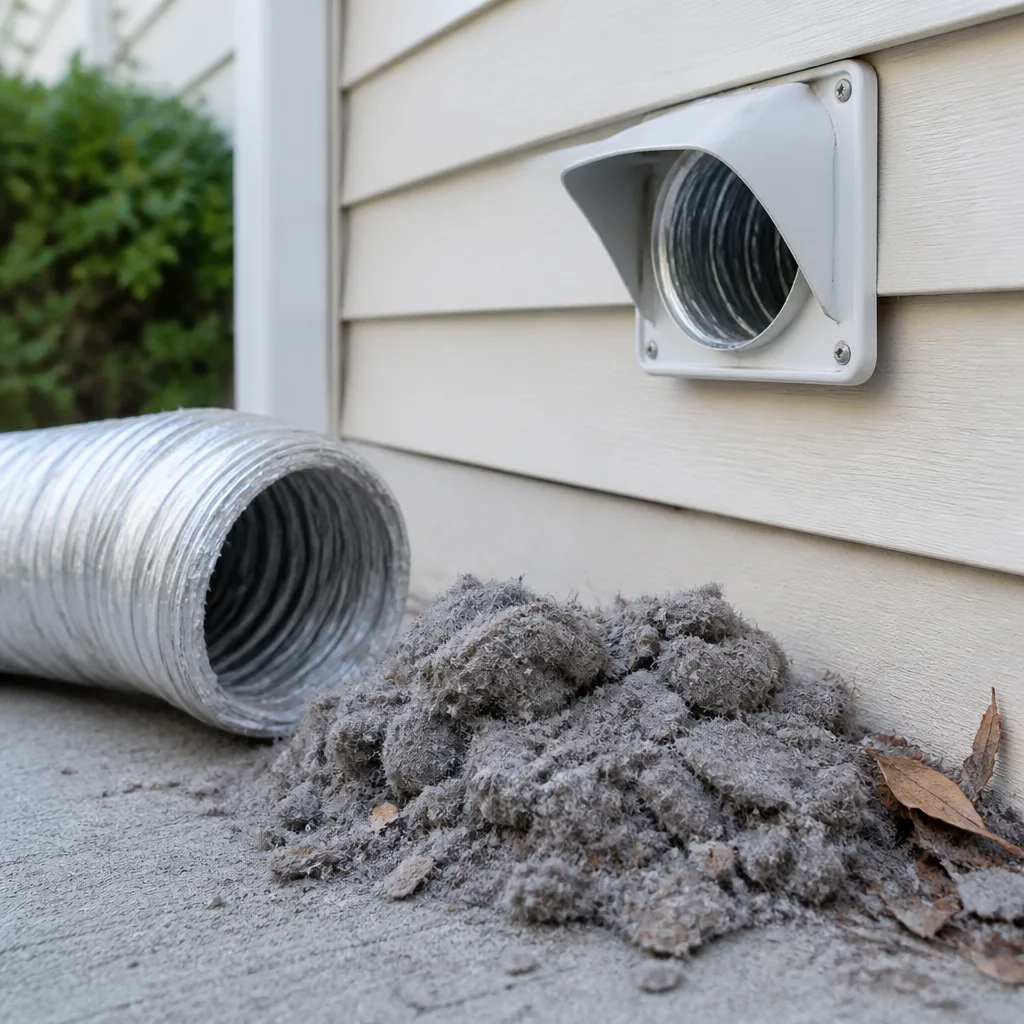 Dryer vent cleaning
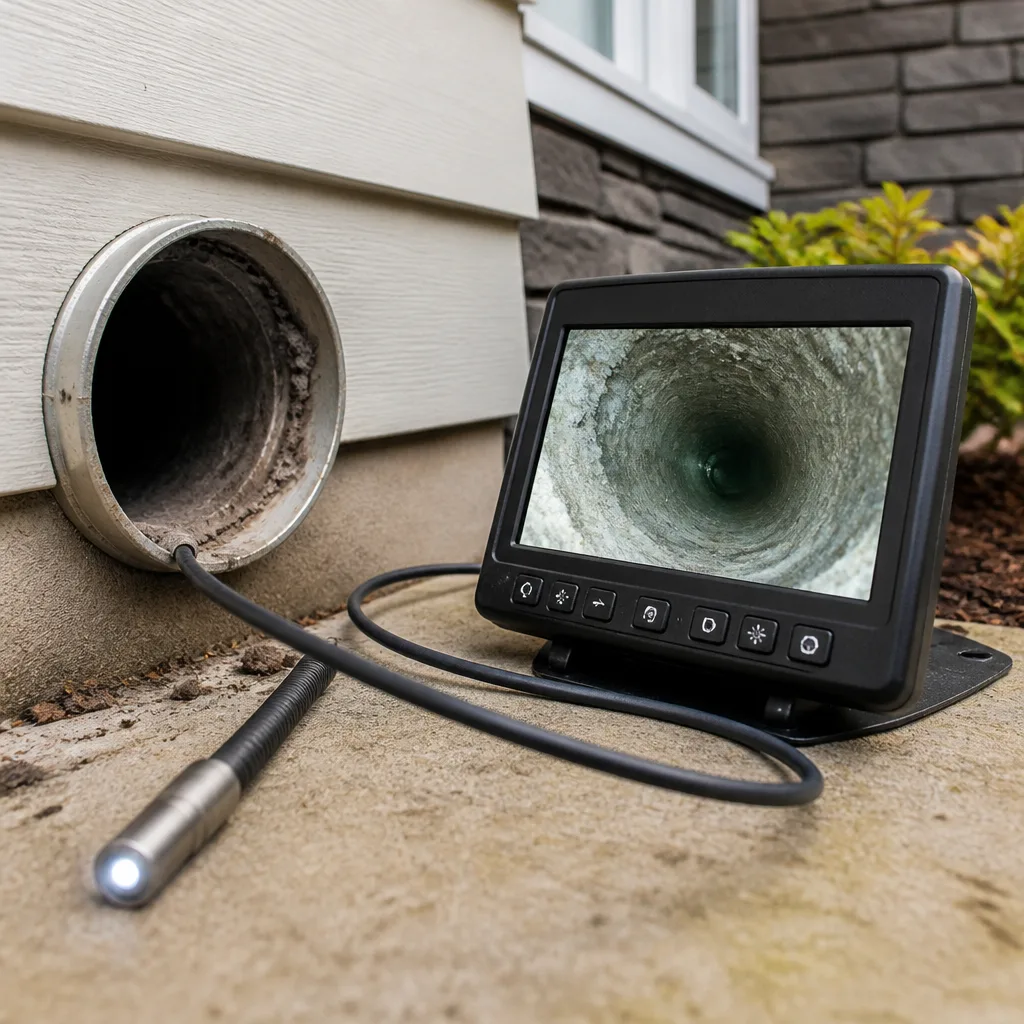 Camera inspection
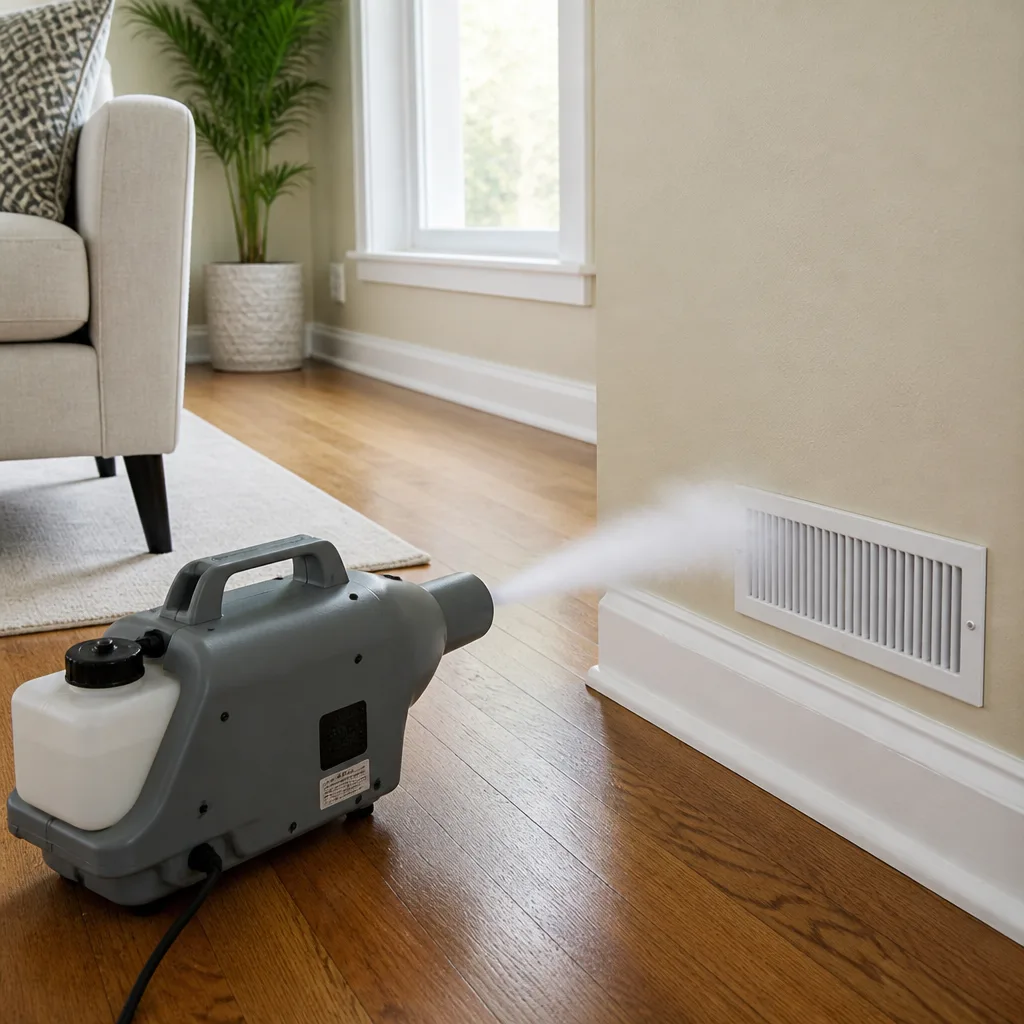 Sanitizing & deodorizing
Whole-system duct and dryer vent check with before-and-after photos - you see exactly what came out of your vents
That "$99 whole-house special" is a bait ad - the real number appears once they are in your hallway, or the "clean" is a shop-vac at the register. We photograph the inside of your ducts before and after instead.
Air Duct Cleaning Maintenance Schedule: What to Do and When
“Every three to five years” is the answer most homeowners get when they ask how often air ducts should be cleaned. It sounds tidy and official. It also ignores almost everything that actually fills your ducts with debris. It doesn’t account for the golden retriever shedding through a Raleigh summer, the crawl space flex duct in a 1970s ranch house, the renovation dust from refinished floors, or the oak pollen that coats every screen in the Triangle each spring. In this guide we’ll walk through a conditional maintenance schedule built around your specific household, what to inspect between professional cleanings, how Raleigh’s pollen and humidity seasons change the calendar, and which events mean you shouldn’t wait for a scheduled cleaning at all.
Quick Answer
Most homes in Raleigh should have their air ducts professionally cleaned every three to five years, but that interval shrinks to every two to three years if you have pets, allergies, or recent renovation work, and stretches toward five to seven years for a low-occupancy home with a well-maintained rigid metal system. Between professional cleanings, check your filter monthly, look at your registers every three months, and schedule an unscheduled inspection any time you finish a renovation, move into a new home, or notice a musty smell that doesn’t clear.
Styles & brands we work with
- Whole-home duct cleaning
- Dryer vent cleaning
- Camera inspection
- Sanitizing & deodorizing
Table of Contents
- Why the Generic 3-5 Year Rule Falls Short
- Building Your Household-Specific Cleaning Schedule
- Rigid Metal vs. Flex Duct: Different Systems, Different Cadence
- The Raleigh Seasonal Calendar: Pollen and Humidity
- What to Inspect Between Professional Cleanings
- Events That Trigger an Unscheduled Inspection
- When Cleaning Isn’t the Answer: Duct Repair
- What a Professional Cleaning Actually Involves
Why the Generic 3-5 Year Rule Falls Short
The three-to-five-year recommendation is a safe middle. It’s also written for a house with no pets, no allergy sufferers, no recent construction, two adults, and a duct system nobody has ever crawled through to check. That house exists. In our experience working across Raleigh neighborhoods, it’s not the house most people live in.
Duct accumulation is a function of variables, not a fixed clock. What matters:
- Pet count and coat type. A single short-haired cat sheds less into return air than two double-coated dogs. Hair and dander bind to duct walls and trap other debris with them.
- Allergy and asthma sufferers in the home. If someone in the household reacts to airborne particulates, the acceptable debris load in your ducts is lower, which shortens the interval.
- Recent construction or renovation. Drywall dust, sawdust, and floor-refinishing grit get pulled into return air within days. A renovation year is not the year to skip cleaning.
- Occupant count. More people means more skin cells, more shed fibers, and more cooking particulates cycling through the system.
- Duct material and condition. Rigid metal ductwork that’s sealed properly accumulates debris more slowly than loose-jointed flex duct with gaps at every connection.
- Filtration setup. A whole-home system from Honeywell or Aprilaire running with a clean, correctly-sized filter reduces the load on your ducts. A cheap fiberglass filter changed twice a year does very little.
- Outdoor environment. Raleigh’s pollen season and summer humidity are real contributors, and we’ll cover that below.
The point isn’t to build a spreadsheet. It’s to recognize that your house answers the “how often” question better than a generic rule does. We use these variables to build a recommendation, then confirm it with what we actually find inside the system. Cleaning on a schedule without looking is guesswork.
Building Your Household-Specific Cleaning Schedule
Here’s the framework we use when we’re sitting with a homeowner at an estimate. It’s a starting point, not a rulebook, and the honest answer is always confirmed by inspection.
- Start with a baseline. If you have no record of the ducts being cleaned and you’ve been in the home a while, assume a cleaning is due and get an inspection. That establishes your starting point.
- Apply your modifiers. Dog or cat in the home: subtract a year. Allergy sufferer in the home: subtract a year. Recent renovation in the last 12 months: subtract a year. Three or more occupants: subtract a year. Well-maintained rigid metal duct system with good filtration: add a year.
- Recheck the math after each cleaning. The debris volume pulled out of your specific system is real data. If we pull a heavy load out of a system cleaned three years ago, your next interval should be shorter. If we pull almost nothing, you can stretch it.
- Log it. Write down the date of the cleaning and what was found. This single habit helps more than any formula, because next time you’ll have a real reference point.
- Adjust seasonally. A Raleigh home with a heavy pet load will accumulate more during the humid summer months when windows stay closed and the system runs continuously. Check in June and September.
For reference, here’s a rough table of what we’d typically recommend for common Raleigh household profiles:
| Household Profile | Typical Interval |
|---|---|
| Two adults, no pets, well-maintained rigid metal system, quality filtration | Every 5-7 years |
| Two adults, no pets, older flex duct system | Every 3-5 years |
| One or more pets, no allergies | Every 2-3 years |
| Pets plus an allergy or asthma sufferer | Every 2 years |
| Recent renovation with drywall dust or floor refinishing | Immediately after, then back to baseline |
| New home purchase with no cleaning records | Immediately |
These are starting points. The inspection confirms or adjusts them. If you’re in a Raleigh neighborhood where a lot of homes were built in the same decade with the same duct construction, we can often tell you what a system of that vintage typically looks like before we even open a register.
Rigid Metal vs. Flex Duct: Different Systems, Different Cadence
Duct construction matters more than most homeowners realize. Rigid galvanized metal ductwork, when it’s sealed properly and installed with attention to joints, is smooth-walled and accumulates debris more slowly. It’s also easier to clean thoroughly because agitation brushes can reach the full duct wall.
Flex duct, which is common in Raleigh homes from roughly the 1970s through the 2000s, has a corrugated inner liner. That ridged surface traps more debris, and it traps it faster. Flex duct also tends to sag over time, which creates low spots where debris collects. It’s not a defective product – it’s just a design that requires more attention, and it needs a longer cleaning interval than a well-sealed rigid metal system.
The practical difference:
- Rigid metal: 5-7 years with a well-maintained filter and no pets; 3-5 years with household modifiers.
- Flex duct: 3-5 years baseline; 2-3 years with pets, allergies, or renovation activity.
- Mixed systems: Clean on the shorter interval of the two. The flex portion is the limiting factor.
One thing that comes up regularly: older Raleigh homes where a previous HVAC upgrade left a mix of rigid trunk lines and flex branch runs, some of it not fully sealed. Those gaps pull attic and crawl space air into the system. That means the ducts aren’t just receiving normal household debris, they’re also pulling in whatever’s in the attic. If the ducts look worse than the household profile suggests, unsealed gaps are often why. That falls under air duct cleaning with a repair inspection, not just a vacuum-and-go.
We use Rotobrush brush-agitation systems for the reason that matters here: the brush actually contacts the duct wall and dislodges compacted debris, especially in corrugated flex liner. A shop-vac style pass doesn’t do that.
The Raleigh Seasonal Calendar: Pollen and Humidity
Raleigh’s climate gives the calendar some specific shape. If there’s a single window in the year when duct inspection matters most, it’s late spring into early summer, right as pollen season winds down and the humidity ramps up. Here’s why and how the year breaks down.
- Late winter (February – March): This is the time to have your filter setup checked and your ducts inspected before pollen season. If you’re cleaning this year, this is a sensible window because you’re clearing winter buildup before the heavy outdoor load arrives.
- Spring (March – May): Oak and pine pollen coat every surface in Raleigh. When windows and doors open during mild spring days, that pollen gets tracked in and pulled into the return. During this window, do not do a cleaning – clean up after it. Replace your filter more often through April and May.
- Early summer (June): Pollen season is mostly done, and the system is about to run continuously for four months. This is the ideal window for a professional cleaning if one is due, because whatever’s in the ducts is about to cycle through the house all summer.
- Summer (July – September): Central NC humidity means the HVAC runs nearly continuously. That’s actually good for filtration, because your system is pulling air through the filter constantly. But it also means whatever’s in the ducts is getting more hours of circulation.
- Fall (October – November): Shoulder season. Windows open again, system runs less, and it’s a fine time for a cleaning if you didn’t do one in June.
- Winter (December – February): System heats, dry interior air, more dust in the home. Filter checks should step up.
The humidity element matters too. Raleigh’s humid summers put moisture load on the system, and if your ducts have leaks pulling humid attic air, you can end up with condensation in the ducts and, eventually, musty smells. Dry ducts run cleaner. That’s another reason the “seal gaps and clean” combo – air duct cleaning plus repair – beats cleaning alone.
If you’re planning the year’s maintenance around the season, June or October is the sweet spot in Raleigh. That’s when the outdoor load has dropped and the system is either heading into or coming out of heavy run time. An inspection between those two windows, in March, is a good check-in if you skipped the cleaning.
What to Inspect Between Professional Cleanings
You don’t need special tools or a ladder to keep track of your system between cleanings. A monthly filter check, a quarterly register check, and a nose-based smell check will catch most of what needs catching. Here’s the schedule:
Monthly:
- Pull the return filter and hold it up to light. If you can’t see light through a standard filter, it’s loaded and it’s restricting airflow. Change or clean it.
- Look at the filter housing for debris bypass – dust around the edges of the filter means air is going around it, not through it. That debris is heading to your ducts.
- Listen for new whistling at registers. A worsening whistle usually means a gap or a loose joint, not a filter issue.
Every three months:
- Shine a flashlight into one supply register in each major room. A thin film is normal. A visible fur of dust, dark mottling, or debris visible on the diffuser fins means buildup is starting and it’s worth an inspection.
- Check the return grille in the main living area. This is the highest-traffic point and the one that shows buildup first.
- Wipe the vent edges with a white cloth. If the wipe comes back grey-brown, you’re seeing dust that’s clinging to the register – not necessarily the ducts. If it comes back with black specks or fibers, that’s more concerning.
Every six months:
- Turn the system on and walk through the house with your hand at each supply. You’re checking for airflow balance. A register that’s noticeably weaker than before means a problem – a blocked branch, a damaged flex run, or a bigger issue.
- Do a smell check. Stand in a room, let the system run for ten minutes, then walk in from outside. If you smell mustiness when you enter, that’s a duct or coil issue, not the room air.
Annually:
- Schedule a professional inspection regardless of when the last cleaning was. A proper inspection looks inside the ducts with a camera, checks the coil and drain pan, and confirms whether the filter setup is right for your system. This is the check that most reliably tells you whether your interval is correct.
- If your home has a whole-home air cleaner (Aprilaire and Honeywell units are common here), check the media and the unit’s own filter per the manufacturer’s schedule.
If you ever can’t see the problem but you’re sure there’s one, don’t guess. Get an inspection. Watching a flashlight beam for buildup is useful for obvious cases, but what’s actually happening inside the ducts needs a camera.
Events That Trigger an Unscheduled Inspection
Some events reset the clock. Regardless of when your last cleaning was, schedule an inspection after any of the following:
- You finish a renovation. Always. Drywall dust and sawdust from floor refinishing will travel through return air within hours of the work starting. Clean after the dust has settled, and don’t wait for the next scheduled cleaning.
- You buy a home. You have no idea what a previous owner did or didn’t do. A pre-closing inspection is even better, because you can build it into the purchase.
- You bring a pet into the home. Adding a dog or cat to a household with no previous pet load bumps the schedule up by roughly a year.
- Someone in the home is diagnosed with asthma or allergies. The acceptable load goes down. Get an inspection, confirm the filter setup is right, and reset the interval.
- You notice a musty smell. The smell is the symptom. Waiting makes the underlying cause worse, not better.
- Airflow drops noticeably. A register that used to push hard is now a whisper. This often means a blocked flex run or a collapsed duct, and it’s a repair issue, not a cleaning issue.
- You’ve had a water event or high humidity. If the home has had significant moisture (a leak, a roof issue, standing water in the crawl space), the ducts can pick up moisture and grow microbial issues. That’s a different service – remediation – and it starts with inspection.
- Your dryer is taking longer to dry clothes. That’s a dryer vent issue, not a duct cleaning one, but it’s a fire-safety matter and it belongs on the same calendar. Dryer vents should be checked annually, cleaned based on load, and treated as a safety item – the leading appliance-related cause of residential fires is dryer vent lint ignition.
Trigger events should override your schedule every time. A house with a scheduled cleaning coming up in 18 months and a renovation starting today doesn’t wait 18 months. The renovation dust changes the variable.
When Cleaning Isn’t the Answer: Duct Repair
A cleaning schedule assumes the ducts are in good shape. That’s a big assumption, and it’s where a lot of cleaning-only providers run into trouble. If the ducts have gaps at the joints, disconnected flex runs in the crawl space, crushed sections, or duct tape failing at every connection, cleaning the system and closing the calendar for three years misses the point. Débris is only going to come right back in through the same gaps.
The repair angle is one reason our own services sit where they do. We don’t subcontract repair work, because cleaning, diagnosing, and repairing are the same visit. The sequence is:
- Inspect the full duct run with a camera, including the crawl space and attic connections that homeowners rarely see.
- Clean with a Rotobrush agitation brush system to break up what’s bonded to the duct walls, then pull it out with a Nikro HEPA-rated vacuum.
- Identify gaps, disconnected joints, and damaged sections.
- Seal or repair the failures so the system holds pressure.
- Verify airflow at each supply register – before-and-after airflow, not a vague statement about cleaner air.
If the ducts need repair, schedule the repair in the same seasonal window as the cleaning. That way the ducts run clean and sealed through the heavy-use season, and the next cleaning can happen on the extended interval that a properly sealed system allows.
The other thing worth flagging: a homeowner who’s suspicious of duct cleaners often suspects the wrong thing. They assume the cleaning crew is going to skip the job and charge anyway. In our experience, the more common issue is a crew that cleans the ducts but can’t recognize the actual problem – a leaking joint, a crushed flex run, a filter that doesn’t fit. The best duct work involves knowing what’s wrong, not just vacuuming what’s dirty.
What a Professional Cleaning Actually Involves
If you’re building a maintenance schedule and you’re going to have the ducts cleaned on a rhythm, you should know what the job actually involves so you can tell whether it was done. A full professional cleaning follows a procedure, not just a truck with a hose attached to a register.
The equipment matters, and here’s what we use and why:
- Rotobrush brush-agitation system: This is the industry standard for reaching into the duct and dislodging debris that’s clung to the wall. A vacuum alone doesn’t do this in corrugated flex duct. The brush contacts the wall.
- Nikro HEPA-rated vacuum: This captures the loosened debris at the source and prevents it from recirculating into the house during the process. HEPA matters because what you’re pulling out isn’t just dust.
- Abatement Technologies air-containment equipment: Negative-air containment during cleaning, which keeps the dust you’re generating out of your living room. This is the same discipline used in remediation work. Residential ducts deserve the same handling.
A proper cleaning service looks like this:
- Camera inspection of the main trunk and branch lines, including the crawl space and attic connections.
- Everything downstream and upstream of the cleaning is sealed or contained so the debris goes out, not into the room.
- Brush agitation through every supply and return branch.
- HEPA vacuum extraction.
- Cleaning of the coil, drain pan, and blower access as far as the design allows.
- Restoration of any access points that needed to be cut.
- Before-and-after photos and airflow readings.
The two brands worth knowing about on the filtration side are Honeywell and Aprilaire, because they’re the most common whole-home filtration setups in Raleigh housing stock. If your house has a Honeywell or Aprilaire media cabinet already in place, that’s good news – it means the duct system was designed to carry higher-grade filtration than a 1-inch fiberglass filter. We work compatibly within those setups because they’re both common and they both do the job. What we won’t do is tell you to replace a working Honeywell unit with something else simply because we’re less familiar with it.
If you have a whole-home filter cabinet from either brand, checking its media is part of your monthly routine. Media cabinets typically need replacement every six to twelve months, and they don’t need to be hovered over the way a 1-inch filter does. Our technicians have up to 10 years of experience working with these systems, and working with them is the fastest way to know what the right replacement is.
Dryer vent cleaning belongs in this maintenance schedule too, but as a separate item. It’s a fire-safety service, not part of the air duct cleaning visit. If your duct cleaning is scheduled for June, schedule a dryer vent check for the same month so it doesn’t get forgotten. We treat dryer vent cleaning as a distinct service with its own inspection because lint buildup in the vent line isn’t a nuisance – it’s the leading appliance-related cause of residential fires.
Common Mistakes to Avoid
- Treating the 3-5 year rule as the answer. It’s a starting point for a generic household. Raleigh homes with pets, allergies, or flex duct systems should run shorter. Homes with rigid metal systems and clean filtration can run longer.
- Skipping the post-renovation cleaning. This is the single most common missed trigger. Drywall dust in the ducts is a one-time event that most homeowners put off until next year. Don’t.
- Cleaning ducts without inspecting them first. If a cleaning crew shows up, vacuums, and leaves without a camera inspection, they don’t know whether they got out what was in there, or whether there’s a gap feeding the system from the crawl space. Insist on inspection.
- Buying filters by brand instead of by fit. A high-MERV filter that doesn’t seal correctly in the filter slot is worse than a cheap filter that fits. If air goes around the filter, it’s coming into your ducts with the filter still clean.
- Cleaning without repairing. If the ducts have gaps, cleaning them and stopping there is a waste of the cleaning. Seal the gaps and the ducts stay cleaner longer. If your HVAC provider tells you sealing isn’t necessary, get a second opinion.
- Forgetting the dryer vent. Dryer vents aren’t part of the air duct system, but they are part of the same safety calendar. Schedule both in the same year even if you clean the ducts less often than the vent.
- Assuming pollen season is the time to clean. In Raleigh, the cleaning should happen after pollen season, not during it. A cleaning in April just means the ducts get a new coat of oak pollen within two weeks. Wait for June.
See the difference
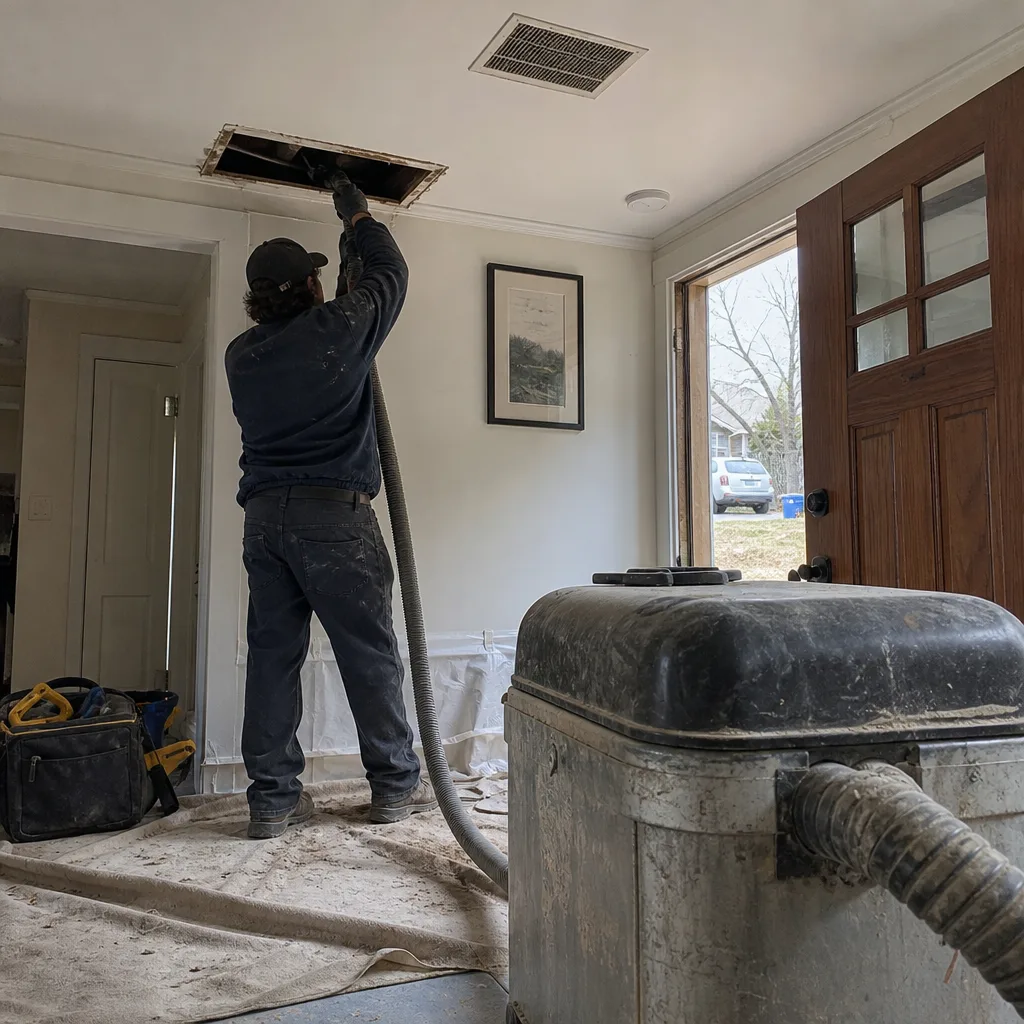 Before
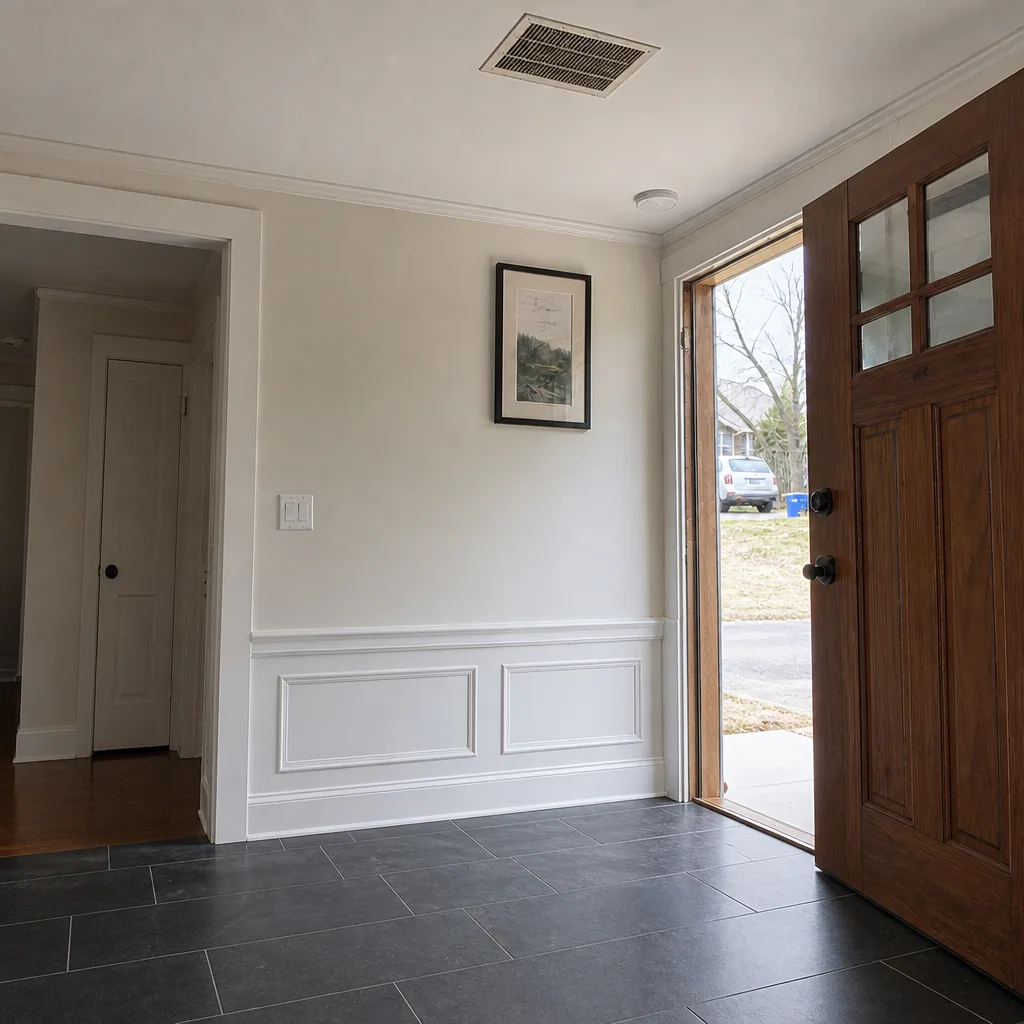 After
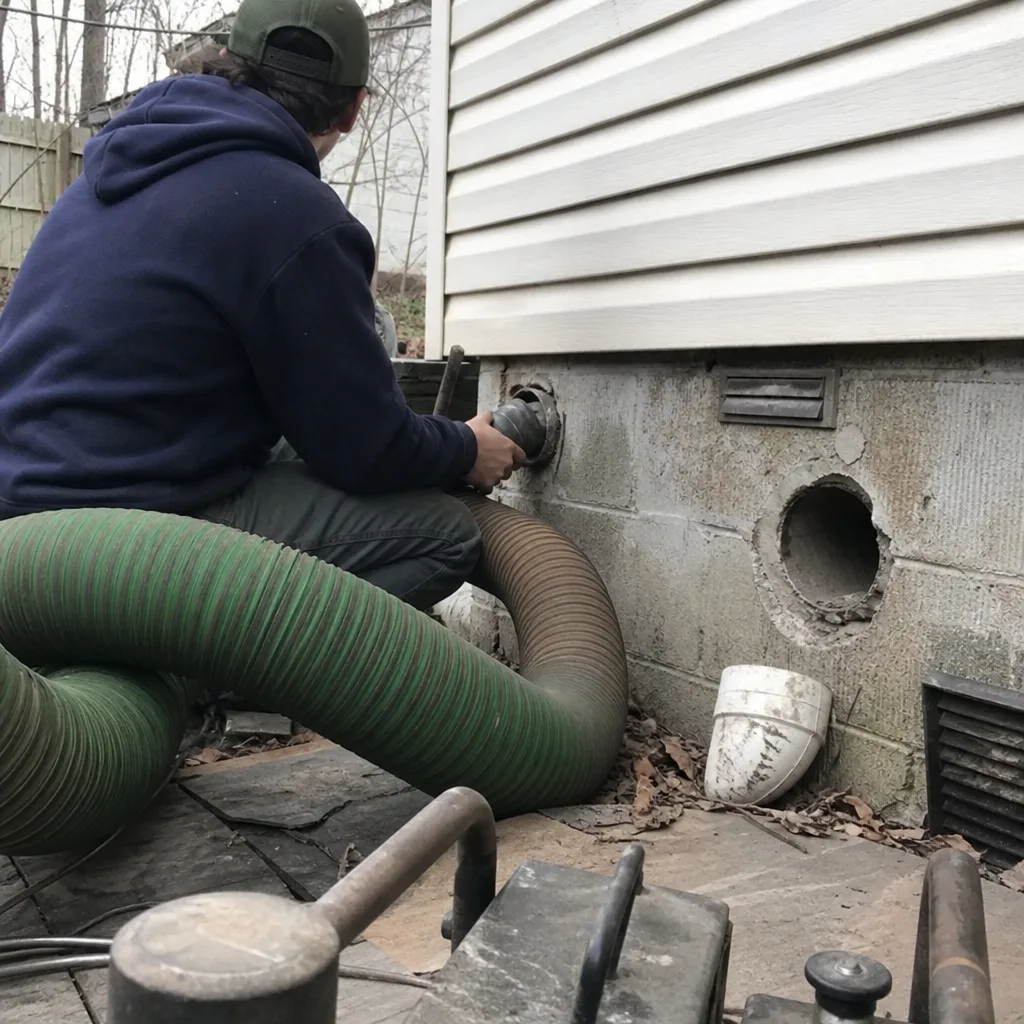 Before
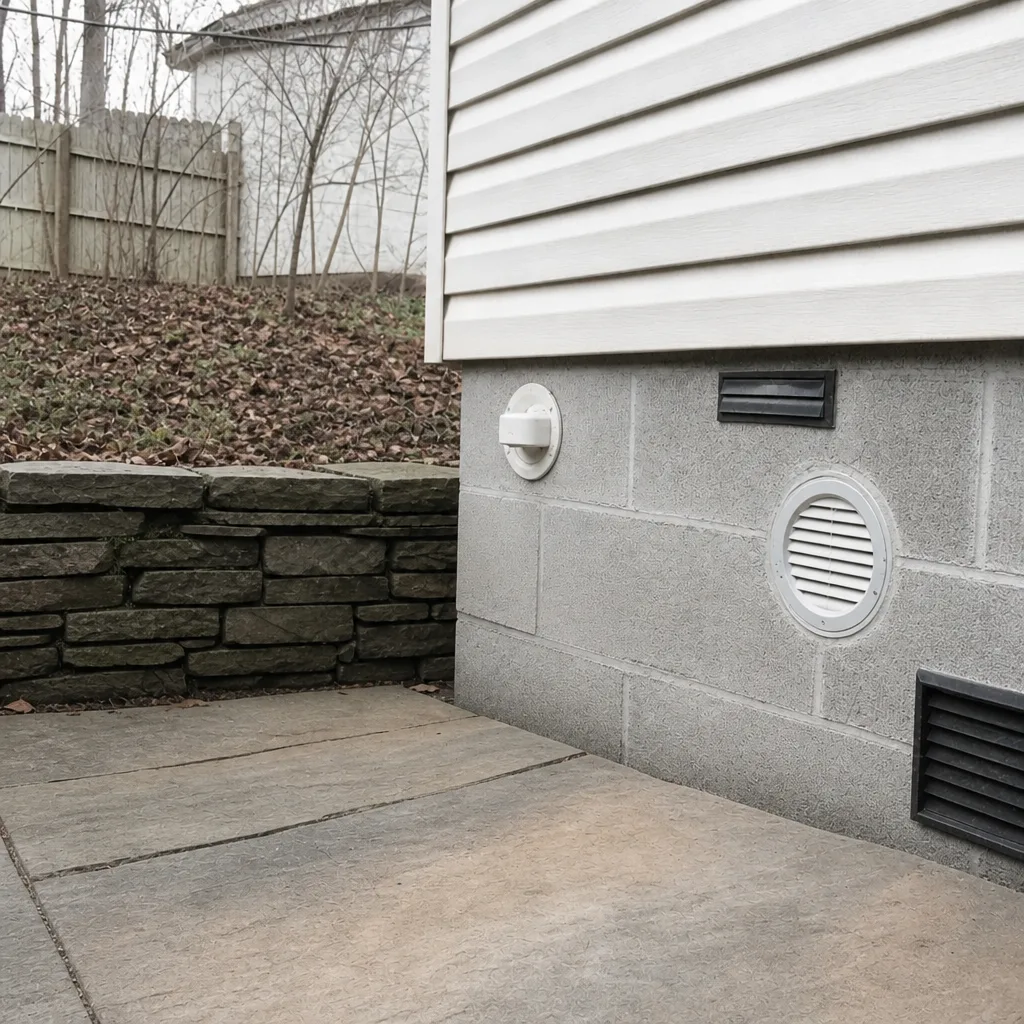 After
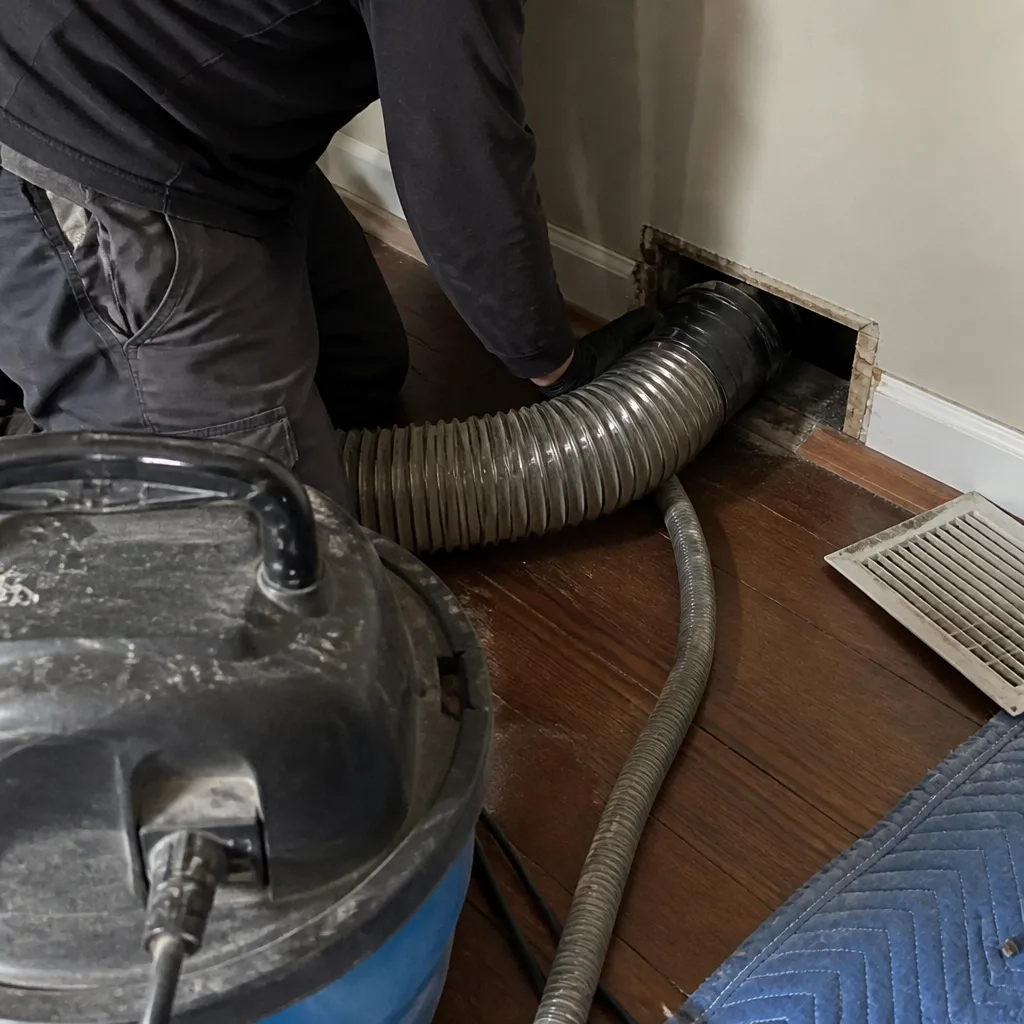 Before
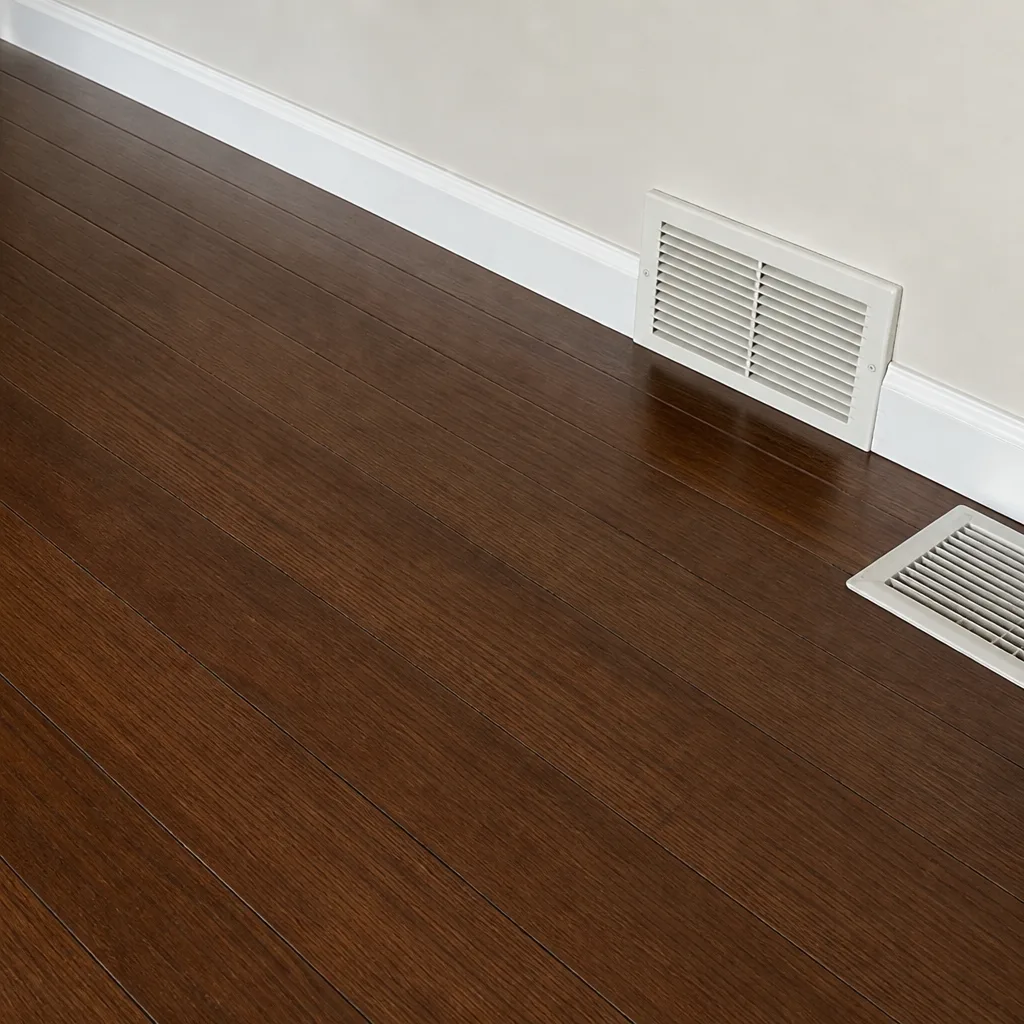 After
When to Call a Professional
Call a professional when any of these apply: you’ve just finished a renovation or moved into a home with no duct cleaning records; someone in the household has developed allergies or asthma; you’re seeing visible buildup at registers or a musty smell; your airflow has dropped; or your dryer is taking longer than usual to dry clothes. Also call if it’s simply been at least three years since your last cleaning and you’re not sure whether your specific household needs a shorter or longer interval – that’s what an inspection is for. Jasper Duct Cleaning offers free estimates in Raleigh, and we can walk through your specific variables and give you a real recommendation. Call (844) 834-2817. We answer 24/7. Fast dispatch from 7am to 7pm, Sunday through Friday.
Frequently Asked Questions
Every three to five years for a typical household, shorter for homes with pets or allergies, and longer for a low-occupancy home with a well-maintained rigid metal system. The Raleigh-specific wrinkle is pollen: oak and pine season from March to May adds load to the system, so the ideal cleaning window is late spring to early summer, after pollen has fallen and before humidity hits. Call (844) 834-2817 for a free estimate and we’ll tell you where your specific household falls.
June and October are the best windows in Raleigh. June comes after pollen season and before the long humid summer of continuous HVAC run time; October comes after summer and before the winter heating season. Both let you clean the ducts and have them stay cleaner for the heaviest-use months. Call (844) 834-2817 for a free estimate.
No. A shop vac at a register reaches the first several inches of the branch and lightly lifts surface dust, but it can’t reach the compacted debris on duct walls, can’t inspect the run for damage, and can’t seal gaps. In practice, a shop vac pass on a duct system that actually needs cleaning doesn’t fix the problem and can spread debris into the room. Call (844) 834-2817 for an inspection and free estimate.
Visible buildup at registers, a musty smell when the system runs, a recent renovation, or a household allergy diagnosis are all reasons not to wait. If none of those apply and your last cleaning was recent, waiting is fine. If you’re genuinely unsure, an inspection answers it in under an hour. Call (844) 834-2817 for a free estimate.
Yes, always. Drywall dust, sawdust, and floor-refinishing grit get pulled into return air within days of the work starting, and they end up in the ducts and on your coil. A post-renovation cleaning is not optional – it’s the one trigger that overrides any schedule. Call (844) 834-2817 for a free estimate.
Dryer vents are a separate service and typically need attention more often than air ducts because lint accumulation happens faster and the risk is higher. Treat dryer vents as an annual inspection, and clean them based on load and what’s found. Keep them on the same calendar as your air ducts so neither is forgotten. Call (844) 834-2817 for a free estimate on either.
The Bottom Line
The best maintenance schedule is conditional, not calendar-based. Build yours around pet load, allergy status, renovation activity, occupant count, and your duct material, then confirm the interval with a real inspection. In Raleigh, the seasonal shape of the year matters: check the filter monthly, look at registers quarterly, and schedule a professional inspection annually. Clean the ducts in June or October if the interval calls for it, always after a renovation, and never cleaned-without-inspected. If your dryer vent is on the same calendar, keep it there. When in doubt, get an inspection – the goal isn’t cleaning on a rhythm, it’s knowing what your specific system needs. We can look inside with a camera and tell you exactly where your ducts stand. Jasper Duct Cleaning connects Raleigh homeowners with independent local professionals for air duct cleaning, dryer vent cleaning, and air duct repair. Call (844) 834-2817 for a free estimate.
Written by the team at Jasper Duct Cleaning.