
Last updated November 15, 2026
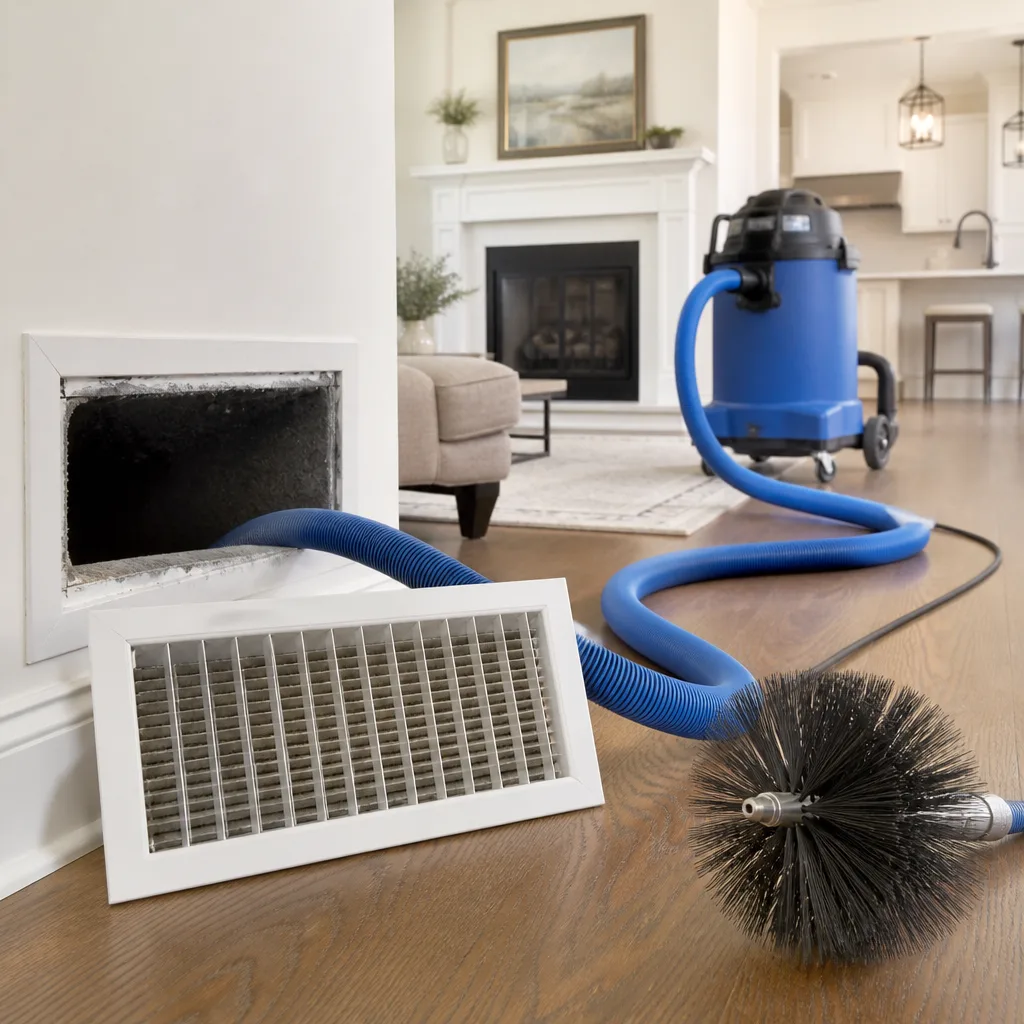 Whole-home duct cleaning
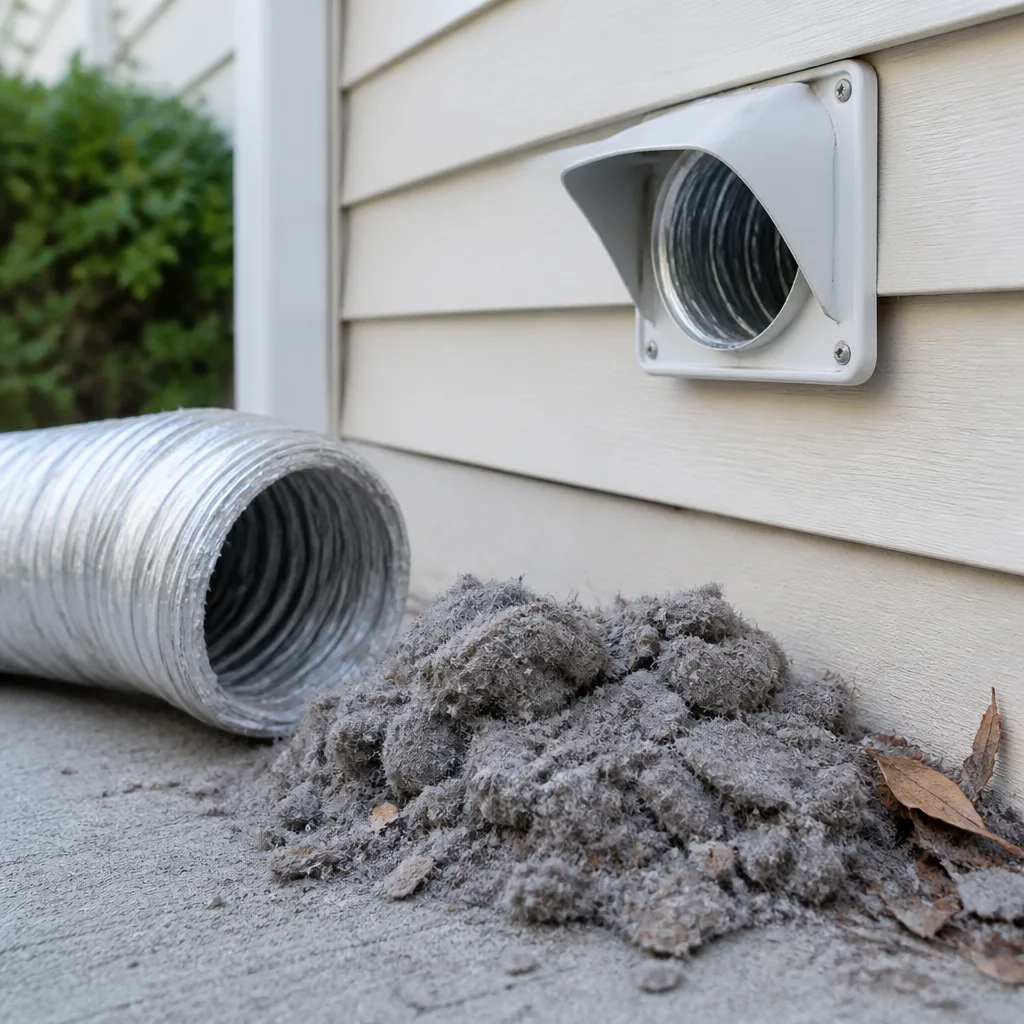 Dryer vent cleaning
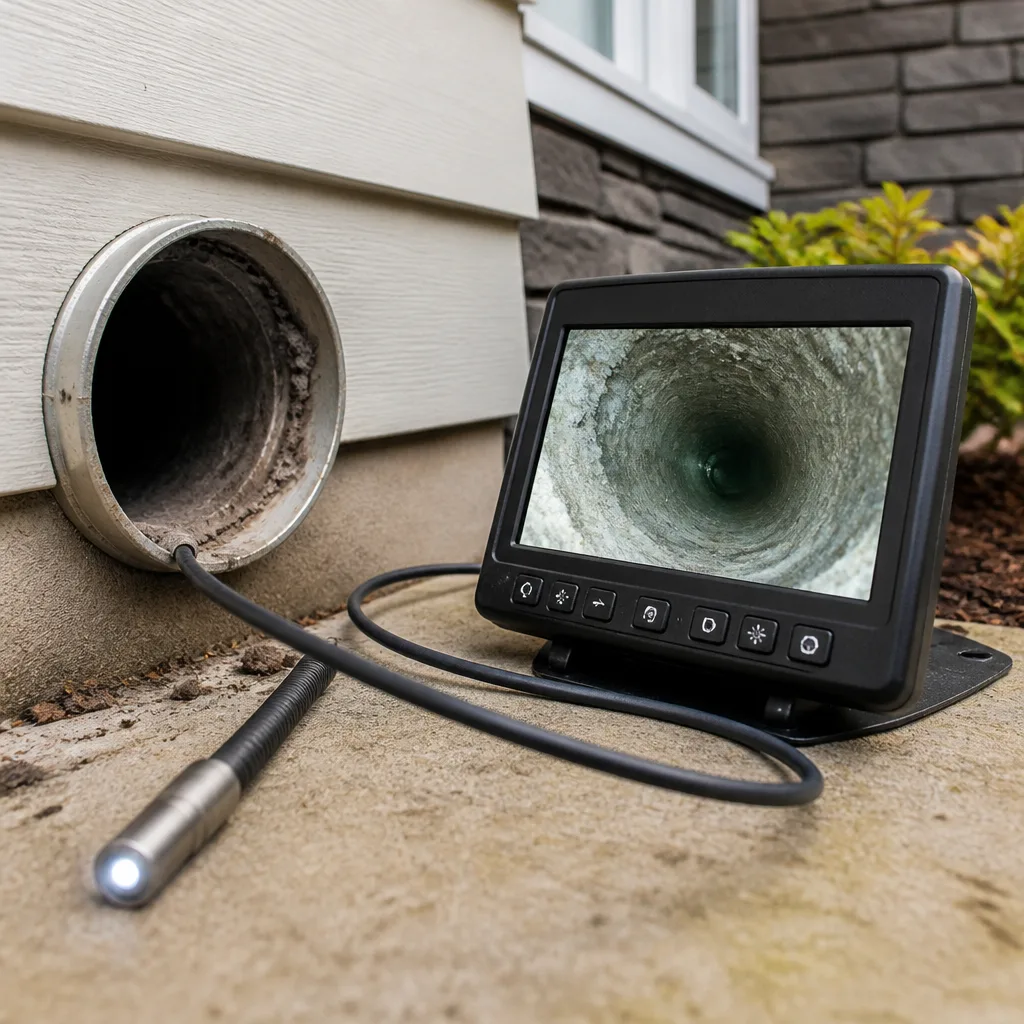 Camera inspection
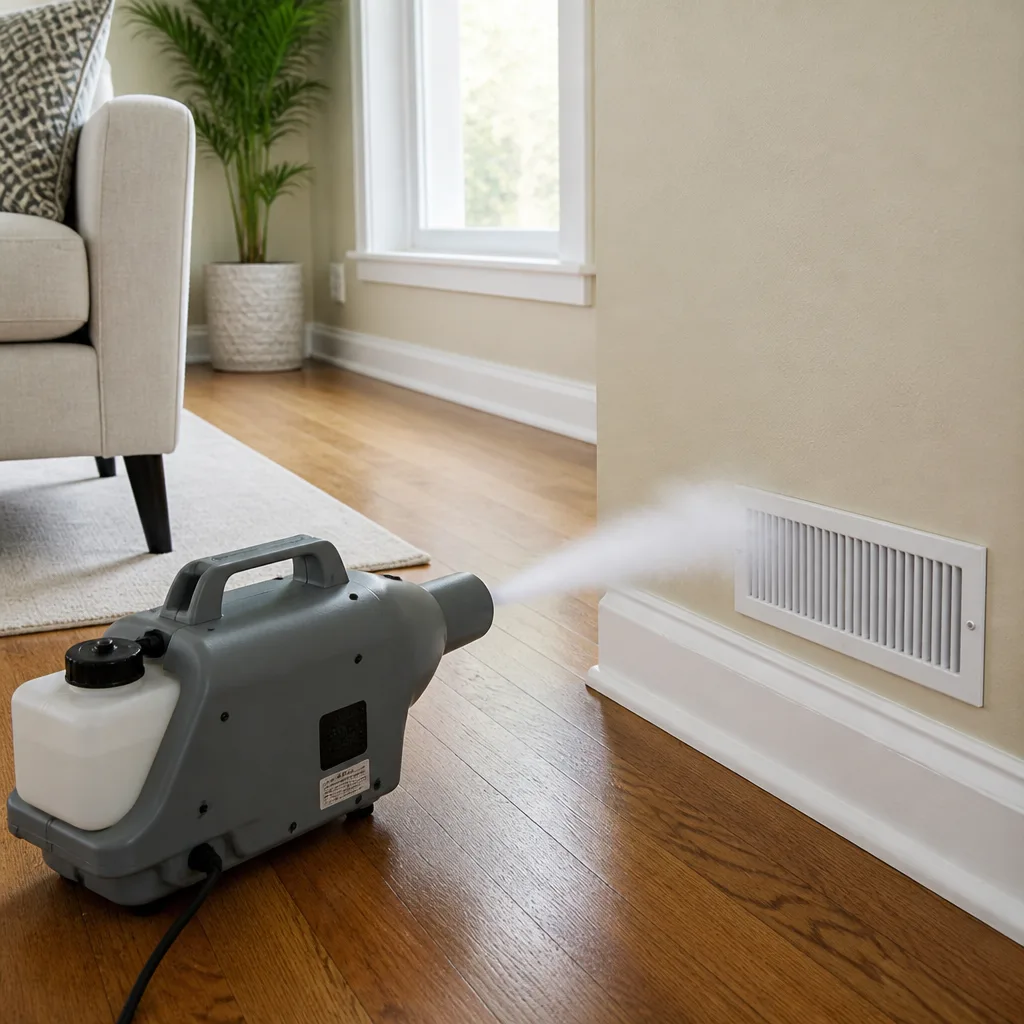 Sanitizing & deodorizing
Whole-system duct and dryer vent check with before-and-after photos - you see exactly what came out of your vents
That "$99 whole-house special" is a bait ad - the real number appears once they are in your hallway, or the "clean" is a shop-vac at the register. We photograph the inside of your ducts before and after instead.
Air Duct Cleaning Permits, Codes & Inspections in Raleigh, NC: What You Need to Know
If a contractor replaced a section of your ductwork and said “no permit needed,” they may have been right. Or they may have done unpermitted mechanical work inside your home and walked away from it. That distinction matters more in Raleigh than most homeowners realize, because the line between cleaning and construction is thinner than it looks. Cleaning the inside of an existing duct system is maintenance. Cutting into it, replacing a run, resizing a trunk, or moving a plenum is mechanical work, and North Carolina treats those as two very different things. This guide maps the regulatory landscape honestly: what the code actually covers, when a Wake County mechanical permit is triggered, how to verify a contractor, and what you carry if a repair was done without one.
Quick Answer
Air duct cleaning by itself does not require a permit in Raleigh or anywhere in North Carolina, because it doesn’t alter the mechanical system. Duct repair that changes the system, such as replacing flex duct runs, resizing or relocating trunk lines, modifying a plenum, or cutting new supply or return openings, typically does require a Wake County mechanical permit and an inspection. If you’re unsure which category your job falls into, the safe answer is to ask the contractor directly and get their reasoning in writing.
Styles & brands we work with
- Whole-home duct cleaning
- Dryer vent cleaning
- Camera inspection
- Sanitizing & deodorizing
Table of Contents
- Cleaning vs. Construction: Where Raleigh Draws the Line
- What the NC Mechanical Code Says About Duct Systems
- When Duct Repair Crosses Into Permit Territory
- What Raleigh Development Services Requires
- How to Verify a Contractor’s Compliance
- The Liability You Carry If Work Was Unpermitted
- Questions to Ask Before You Sign Anything
- What a Duct-Related Inspection Actually Looks At
Cleaning vs. Construction: Where Raleigh Draws the Line
The simplest way to think about it: cleaning removes material, construction changes geometry. A vacuum and an agitation brush moving through the inside of an existing duct doesn’t change how the system is built, sized, or arranged. The moment you cut, splice, reroute, or replace a component, you’ve changed the system, and that’s the trigger for the permitting conversation.
In our experience across Raleigh homes, this is where the confusion starts. A homeowner hires someone for air duct cleaning, the technician notices a crushed flex run or a disconnected joint, and offers to fix it on the spot. Sometimes that repair is genuinely simple and within cleaning scope. Other times it involves replacing a section of duct, reconnecting to a trunk, or opening a ceiling. The first doesn’t need a permit. The second often does, and the homeowner usually never finds out which one they got.
Two broad categories help clarify:
- Maintenance scope (no permit): vacuuming and brushing duct interiors, sealing small accessible gaps at registers with mastic or tape, cleaning the blower compartment, cleaning coils, replacing filters, cleaning dryer vents.
- Construction scope (permit typically required): removing and replacing duct runs, changing duct size to alter airflow, relocating supply or return registers, extending or shortening a trunk line, modifying or replacing the air handler plenum, cutting new openings in walls.
Raleigh’s housing stock runs from mid-century ranches inside the Beltline to newer construction out toward Brier Creek and Wake Forest, and the age of the system often determines which category a repair falls into. A 1960s ranch with original sheet metal ductwork tends to need real construction work when something fails. A newer home with flex duct in the attic may only need a reconnection. The scope, not the age, drives the permit question.
What the NC Mechanical Code Says About Duct Systems
North Carolina adopts the International Mechanical Code with state amendments, and the duct-related provisions are mostly about construction standards rather than cleaning. The code addresses how duct systems must be installed, supported, sealed, insulated, and protected at penetrations. It sets requirements for clearances, for the integrity of the system as a pressure boundary, and for how ductwork interacts with the rest of the mechanical system.
What the code does not do is regulate the act of cleaning. There’s no state permit called “duct cleaning permit,” and no inspection tied to a vacuum pass. This is why contractors who only clean are correct when they say they don’t need a permit. It’s also why some of them use that as cover for repair work that does.
The provisions that matter most for Raleigh homeowners:
- Sealing and pressure integrity: duct joints and connections must be sealed so the system performs as designed. A repair that leaves gaps or a disconnected run fails this standard whether or not anyone inspects it.
- Support and sag: flex duct must be supported at intervals and cannot sag or compress beyond limits, because both choke airflow. Improperly hung replacement duct is a common inspection finding.
- Clearances and penetrations: where duct passes through framing, walls, and the attic or crawlspace, the code sets requirements for protection and firestopping.
- System alterations: changing duct size, routing, or the number of outlets alters the system’s design and requires the work to be permitted and inspected.
For a Raleigh homeowner, the practical takeaway is that code compliance and permit compliance are related but not identical. A repair can violate code even if nobody pulls a permit, and that violation can surface years later at the worst possible moment. That’s the risk this next section is really about.
When Duct Repair Crosses Into Permit Territory
Here are the specific scope triggers that usually mean a Wake County mechanical permit is required. Treat this as a working checklist, not a legal opinion: when a job matches one of these, ask the contractor to explain their permit position and put it in writing.
- Replacing a duct run. Removing and installing a new length of flex or hard duct, even a short section, alters the system and typically requires a permit.
- Changing duct size or configuration. Upsizing or downsizing a trunk line, adding or removing a branch, or changing an outlet count all affect airflow design and are construction, not maintenance.
- Relocating a register. Moving a supply or return to a different wall or ceiling location means new penetrations and new duct routing.
- Modifying or replacing the plenum. The plenum at the air handler is where the system is most sensitive to leakage and pressure, and work there is squarely mechanical construction.
- Cutting new openings in structure. Any new hole through a wall, floor, or ceiling for ductwork is a construction act.
- Repairs that require opening a finished wall or ceiling. If the fix can’t be reached through an existing access point, the scope has grown past cleaning.
What usually does not require a permit: cleaning, sealing small accessible gaps at registers, replacing filters, cleaning the blower wheel and coils, and dryer vent cleaning. Those are maintenance. The moment the work becomes “replace” or “move” or “resize,” the answer changes.
We repair what others only clean, and part of doing that responsibly is being clear about scope. When a Raleigh job crosses into permit territory, we tell the homeowner which side of the line it’s on and why, because a repair that skips the permit can cost more later than the repair itself. For more on the difference between the two scopes, the Jasper Duct Cleaning service overview lays it out.
What Raleigh Development Services Requires
Permits and inspections for mechanical work in Raleigh run through the City of Raleigh’s Development Services department, which handles plan review, permitting, and field inspections for the city and contracts with Wake County for some services. For a typical residential duct repair, the permit is a mechanical permit tied to the scope of work, and the process is straightforward on paper: permit application, plan or scope review, work performed, inspection.
What that means practically for a homeowner:
- The licensed contractor pulls the permit. In North Carolina, mechanical work must be done by a licensed mechanical contractor, and the permit is typically pulled by that contractor. A homeowner can’t legally perform or supervise this work themselves.
- The permit is tied to a specific scope. The application describes the work: replacing a run, modifying a plenum, relocating a register. If the scope changes, the permit may need to change with it.
- An inspection happens before the job is closed. The inspector verifies the work meets code, which for ducts means sealing, support, clearances, and that the system as installed matches what was permitted.
Raleigh Development Services also maintains online permit records, which matters for the next section. If you want to know whether work on your home was permitted, that’s where to start. Homeowners in older neighborhoods inside the Beltline, and in newer subdivisions out toward Knightdale and Clayton, all go through the same city process when the work is inside Raleigh’s jurisdiction.
How to Verify a Contractor’s Compliance
Verification is mostly about asking the right questions and checking the answers against public records. It takes ten minutes and protects you from a problem that could follow the house for years.
- Ask for the license number and verify it. North Carolina has a public licensing lookup for mechanical contractors through the state licensing board. Any contractor doing duct repair work should be able to give you a license number and expect you to check it.
- Ask whether the scope requires a permit, and why. A credible answer is specific: “This is a replacement run, so we’ll pull a mechanical permit through Raleigh Development Services and schedule the inspection.” A vague answer is a red flag.
- Ask who pulls the permit and who pays for it. The permit is normally the contractor’s responsibility, and the cost is typically part of the job. If a contractor tells you to pull the permit yourself, that’s usually a sign they shouldn’t be doing the work.
- Check the city permit records. Raleigh Development Services keeps online records. If work was done and no permit exists, you can see it.
- Ask for the inspection result. If a permit was pulled, there’s an inspection record with a pass or fail. Ask to see it.
- Confirm insurance and bonding. A licensed contractor carrying the appropriate insurance is the baseline. Ask, and don’t accept “we’re fully covered” without a certificate.
In our experience, the contractors who can talk clearly about permits are also the ones who can talk clearly about their equipment and their process. When we bring Rotobrush brush-agitation systems and Nikro HEPA-rated vacuums into a Raleigh home, we can explain exactly what they do and why the work is scoped the way it is. That same clarity should extend to the permit conversation. If a contractor can’t explain the difference between cleaning and construction, they probably can’t be trusted to know which side of it they’re on.
The Liability You Carry If Work Was Unpermitted
Unpermitted mechanical work is usually invisible until someone goes looking. The moment that happens is often a home sale inspection, and that’s when the homeowner discovers a problem they didn’t create and didn’t know existed.
Here’s how it typically plays out in Raleigh real estate:
- A buyer’s inspector finds ductwork that doesn’t match the permit history. Replacement runs, a modified plenum, or a relocated register with no permit on record will be flagged.
- Disclosure becomes an issue. North Carolina requires sellers to disclose known material defects, and unpermitted work becomes a known issue once it’s identified.
- The fix goes back through the city. The remedy is usually a permit application for the existing work, an inspection, and correction of whatever the inspector finds. The cost and delay land on the seller.
- Or the buyer walks or negotiates. Either way, the transaction is disrupted over work the homeowner originally paid someone to do correctly.
The homeowner carries the risk, not the contractor who skipped the permit. That’s the part most people don’t realize: the contractor leaves, and years later the person holding the title is the one answering for it. Raleigh’s market has been strong enough that some transactions move fast, which makes unpermitted work easier to miss and more expensive to fix when it surfaces.
If you’re buying a home in Raleigh and want a second set of eyes on the duct system before closing, a professional inspection of the ductwork itself, not just the HVAC equipment, can tell you whether the system has been modified in ways the paperwork doesn’t show.
Questions to Ask Before You Sign Anything
The right questions narrow the field fast. Ask them before work starts, not after, and listen for whether the answers are specific or generic.
- “Does this scope require a permit?” A credible answer names the scope, names the permit, and explains why. “No permit needed” is only a good answer if they can explain why the work doesn’t alter the system.
- “Who pulls the permit, and does the estimate include it?” The contractor pulls it, and the cost is accounted for in the estimate.
- “What happens if the inspection finds something?” A competent contractor has done this before and can explain the correction process.
- “What equipment are you using, and why?” Brush-agitation systems and HEPA-rated vacuums are the standard for real duct cleaning. If they can’t name their equipment, they’re not doing the work you think you’re paying for.
- “Is the repair work done by you, or subcontracted?” One provider who both cleans and repairs is accountable for the whole job. When cleaning and repair are split between two companies, the permit conversation usually falls through the crack.
- “Can I see before-and-after documentation?” Photos of the actual ducts before and after cleaning tell you more than any verbal assurance.
Ask these questions of any contractor, including us. When we’re in a Raleigh home for dryer vent cleaning, we scope it as its own job because it’s a fire-safety service with its own process, and we’re just as specific about permits on the duct repair side.
What a Duct-Related Inspection Actually Looks At
A mechanical inspection for duct work is about verifying that the system as installed matches the permitted scope and meets the code standards for sealing, support, and clearances. It’s not a cleaning inspection, and it’s not a performance test. It’s a construction check.
What inspectors typically verify:
- Sealing at joints and connections. Duct tape alone doesn’t cut it for many joints; mastic and proper sealant systems do. Inspectors look for real sealing, not cosmetic taping.
- Support and routing. Flex duct that sags, compresses, or is hung improperly fails the support standard.
- Plenum connections. The plenum is checked for secure, sealed attachment and proper support.
- Clearances and firestopping. Where duct passes through structure, the installation must respect clearance and protection requirements.
- Scope match. The installed work should match what was permitted. Additions or changes without a revised scope are findings.
For a Raleigh homeowner who has already had work done, the inspection question is whether the work was permitted at all. If it wasn’t, the process is to apply for a permit covering the existing work, schedule an inspection, and correct what the inspector identifies. That’s a solvable problem, but it’s a much better one to avoid than to solve. If your system is due for its regular attention, start with the air duct cleaning service on its own scope, and handle any repair as a separate, properly documented project.
Common Mistakes to Avoid
- Assuming all duct work is maintenance. Cleaning is maintenance, but replacement and relocation are construction. Treating them as the same thing is how homeowners end up with unpermitted work in their house.
- Letting a cleaner make a repair “while they’re already here.” If the fix crosses into construction scope, it needs a permit and a licensed contractor, not an on-the-spot decision made mid-cleaning.
- Accepting “no permit needed” without asking why. It might be true for a cleaning job and false for a repair job. The answer should come with a reason, not just an assurance.
- Not checking the city permit records before buying a Raleigh home. A buyer’s inspector will find the unpermitted work eventually. You can find it before you close instead.
- Hiring a contractor who can’t name their equipment. If they can’t tell you what vacuum system and agitation tools they’re using, they’re probably not doing a proper duct cleaning, and they’re probably not thinking about permits either.
- Splitting cleaning and repair between two companies. When one company cleans and another repairs, the permit conversation has no owner. One provider accountable for the whole scope is simpler and safer.
- Skipping the written estimate. A written estimate that states the scope, the permit status, and the price is your record if anything goes wrong. Get one for every job.
See the difference
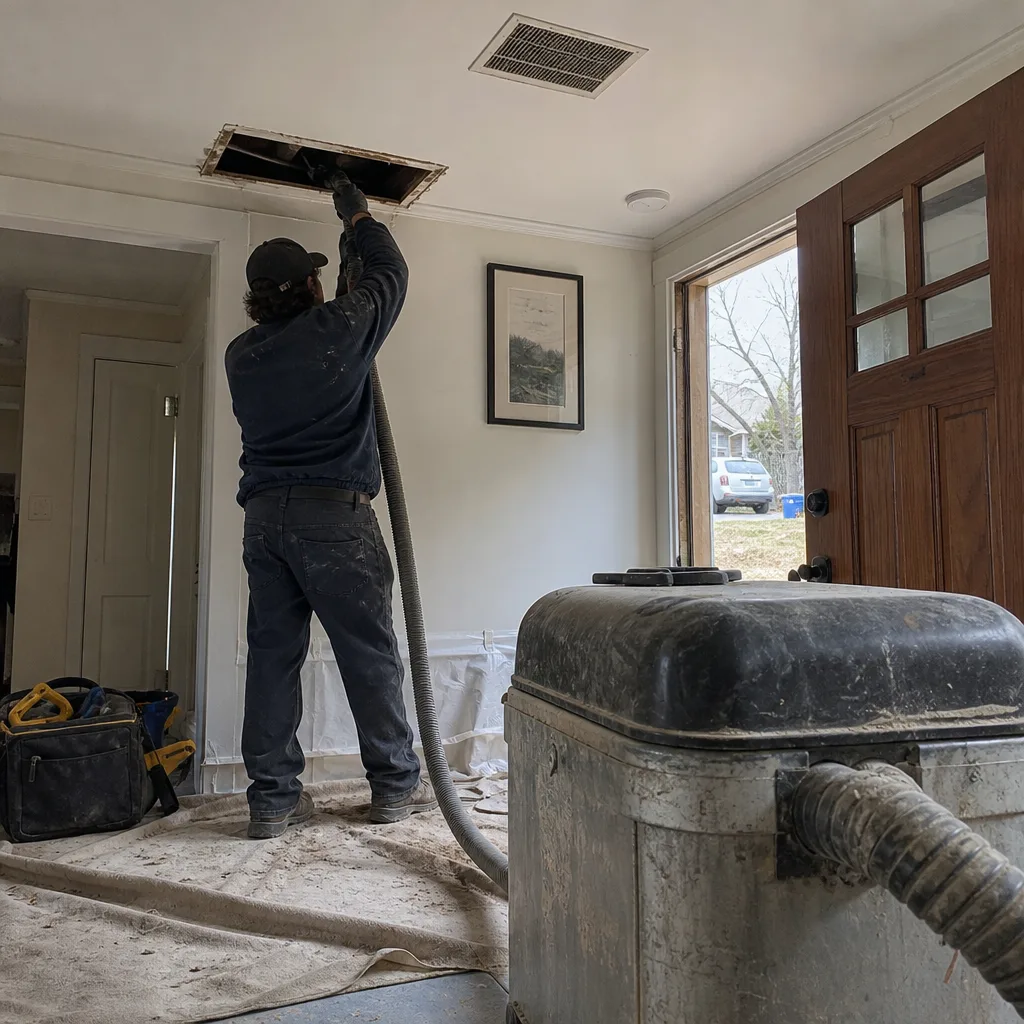 Before
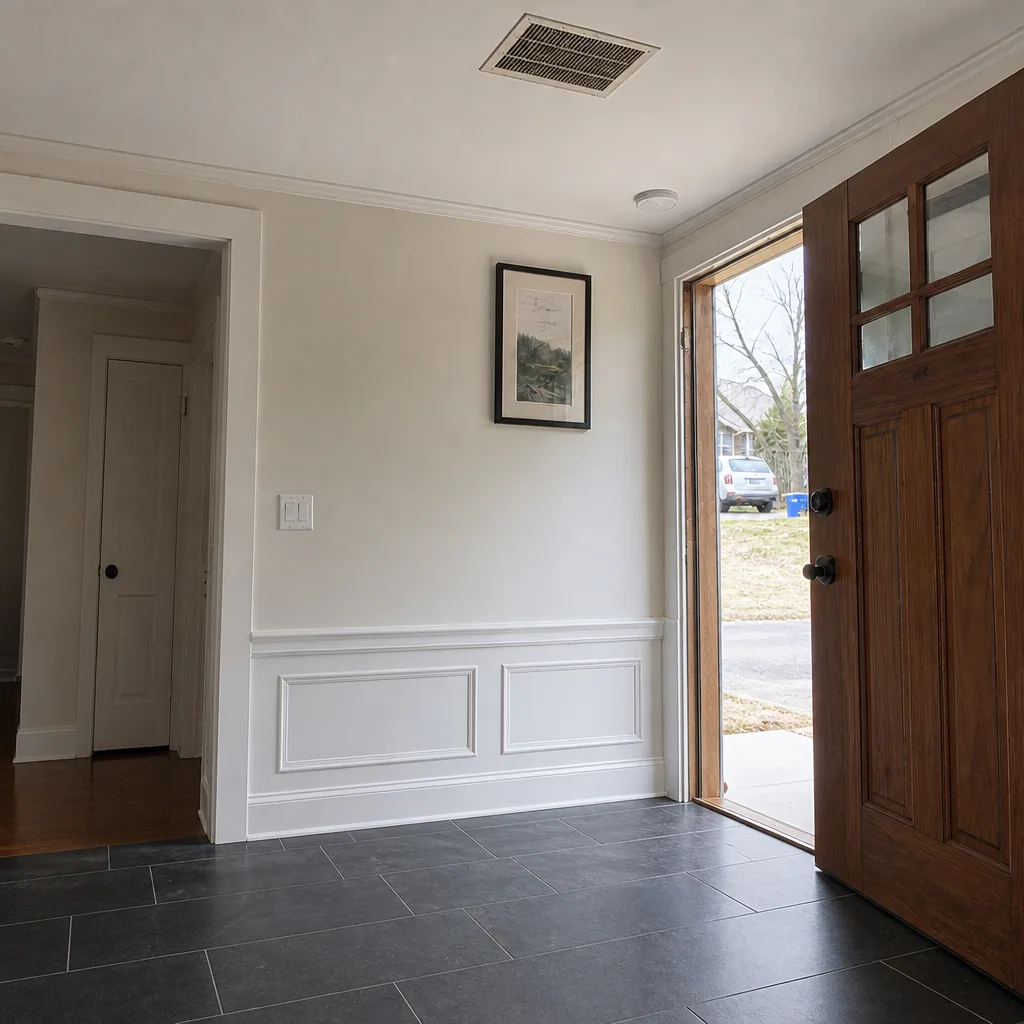 After
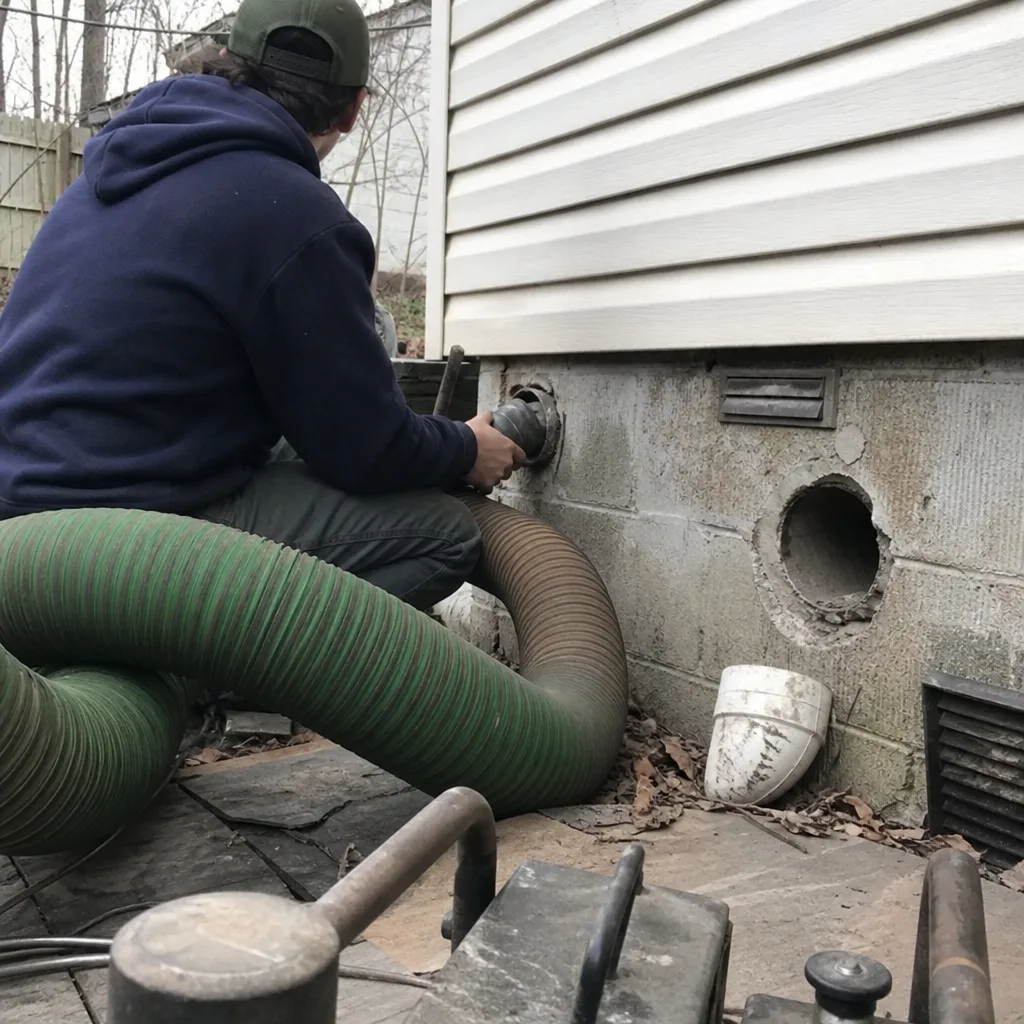 Before
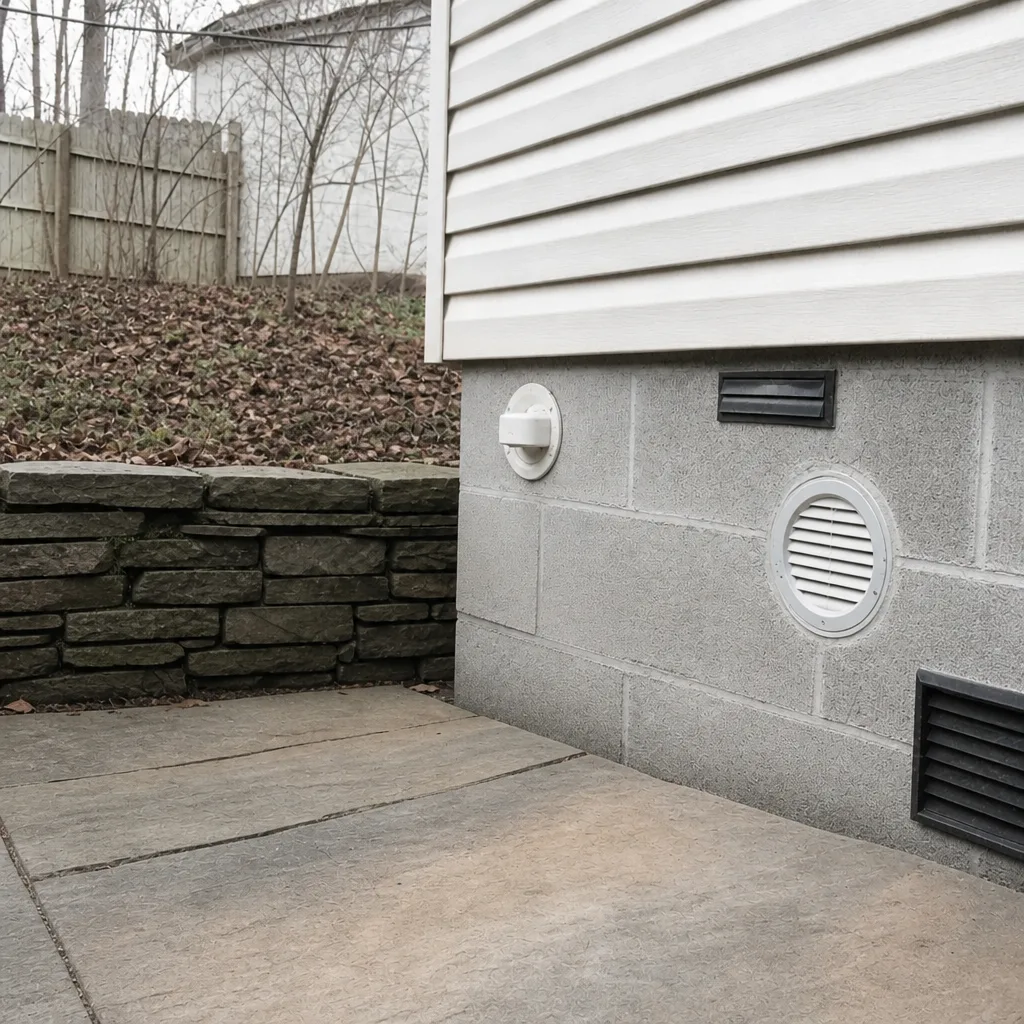 After
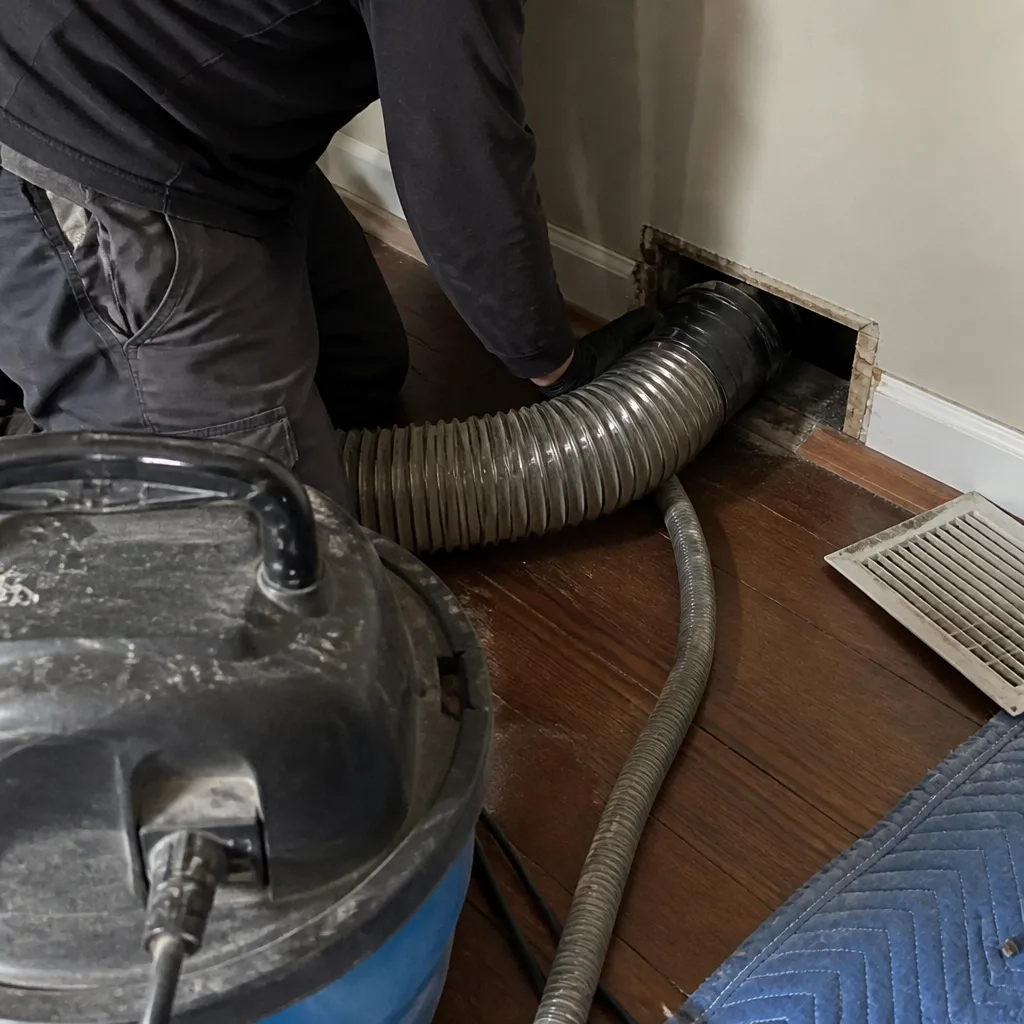 Before
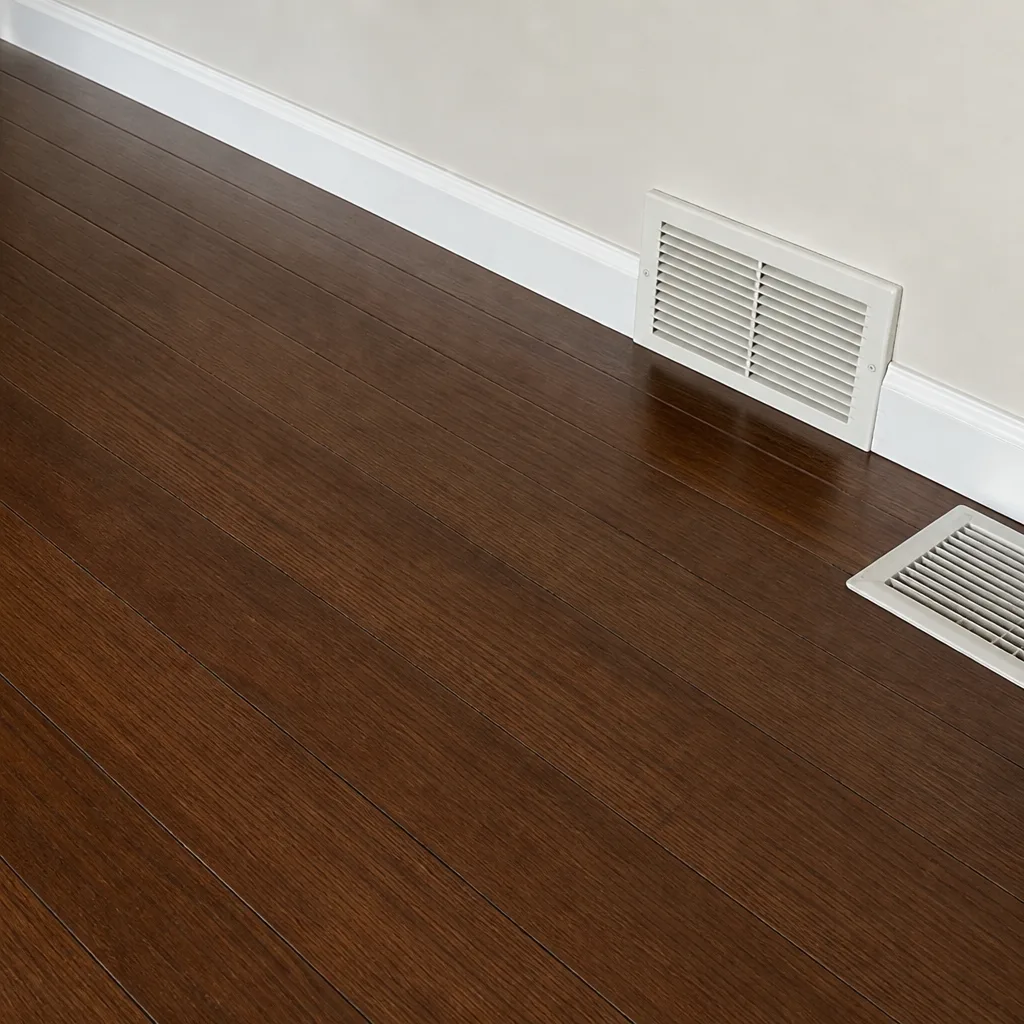 After
When to Call a Professional
Call a professional when the problem is airflow or odor and you don’t know the cause; when you can see crushed, disconnected, or torn ductwork; when a repair would require opening a wall or ceiling; or when you’re buying or selling a Raleigh home and want the duct system assessed as part of the transaction. Call before you sign anything if a contractor proposes a repair and can’t explain whether it needs a permit. Jasper Duct Cleaning offers free estimates in Raleigh. Call (844) 834-2817. Our technicians have up to 10 years of experience, we work with professional-grade Rotobrush and Nikro equipment, and we’ll tell you honestly which side of the permit line your job falls on. We answer 24/7. Fast dispatch from 7am to 7pm, Sunday through Friday.
Frequently Asked Questions
No. Air duct cleaning is maintenance and does not require a permit in Raleigh or anywhere in North Carolina. The permit requirement attaches to mechanical construction work, such as replacing duct runs, resizing or relocating ducts, or modifying a plenum. Call (844) 834-2817 for an exact quote on your scope; estimates are free.
Duct repair requires a permit when it changes the mechanical system rather than just maintaining it. Replacing a duct run, resizing a trunk, relocating a register, modifying a plenum, or cutting a new opening for ductwork typically all require a mechanical permit and inspection through Raleigh Development Services. Sealing small accessible gaps at registers usually does not. Call (844) 834-2817 and we’ll help you sort out which category your job is in.
You can clean accessible parts of your own duct system without a permit, since cleaning is maintenance. But proper duct cleaning requires professional equipment, including HEPA-rated vacuums and agitation tools, to reach compacted debris on the duct walls without pushing it back into the living space. A homeowner with a shop vac typically moves surface dust, not the material that’s actually stuck. For a scope estimate, call (844) 834-2817; the estimate is free.
The unpermitted work can become a disclosed defect and a negotiation point during the sale. North Carolina requires sellers to disclose known material defects, and once the work is identified, the remedy is usually a permit application covering the existing work, an inspection, and correction of any code issues. The cost and delay typically fall on the seller. If you want a duct assessment before listing, call (844) 834-2817 for a free estimate.
Ask for their state mechanical license number and verify it through the state licensing lookup, then check whether a permit exists for the work through Raleigh Development Services records. A credible contractor can tell you specifically why the scope does or doesn’t require a permit. If they can’t explain it, don’t hire them. Call (844) 834-2817 to talk through your job with us; estimates are free.
Cleaning-only work is not mechanical construction, so the licensing requirement that governs duct installation and repair does not apply to cleaning in the same way. Once the work becomes repair or modification, a licensed mechanical contractor is required, and the permit is part of that. A provider that can do both, with one accountable scope, makes the whole job simpler. Call (844) 834-2817 for a free estimate and a clear answer on what your job requires.
The Bottom Line
Duct cleaning itself doesn’t need a permit in Raleigh. Duct work that changes the system does, and that’s where homeowners get into trouble: not from the cleaning, but from the repair that was scoped as if it were cleaning. Know the difference between maintenance and construction, ask the contractor which side their scope falls on, verify the license and the permit record, and understand that unpermitted work follows the house, not the contractor who skipped it. If you’re in Raleigh and want a straight answer about your duct system, start with the Jasper Duct Cleaning team, get an honest scope, and get the paperwork right. Call (844) 834-2817 for a free estimate.
Written by the team at Jasper Duct Cleaning.