
Last updated November 15, 2026
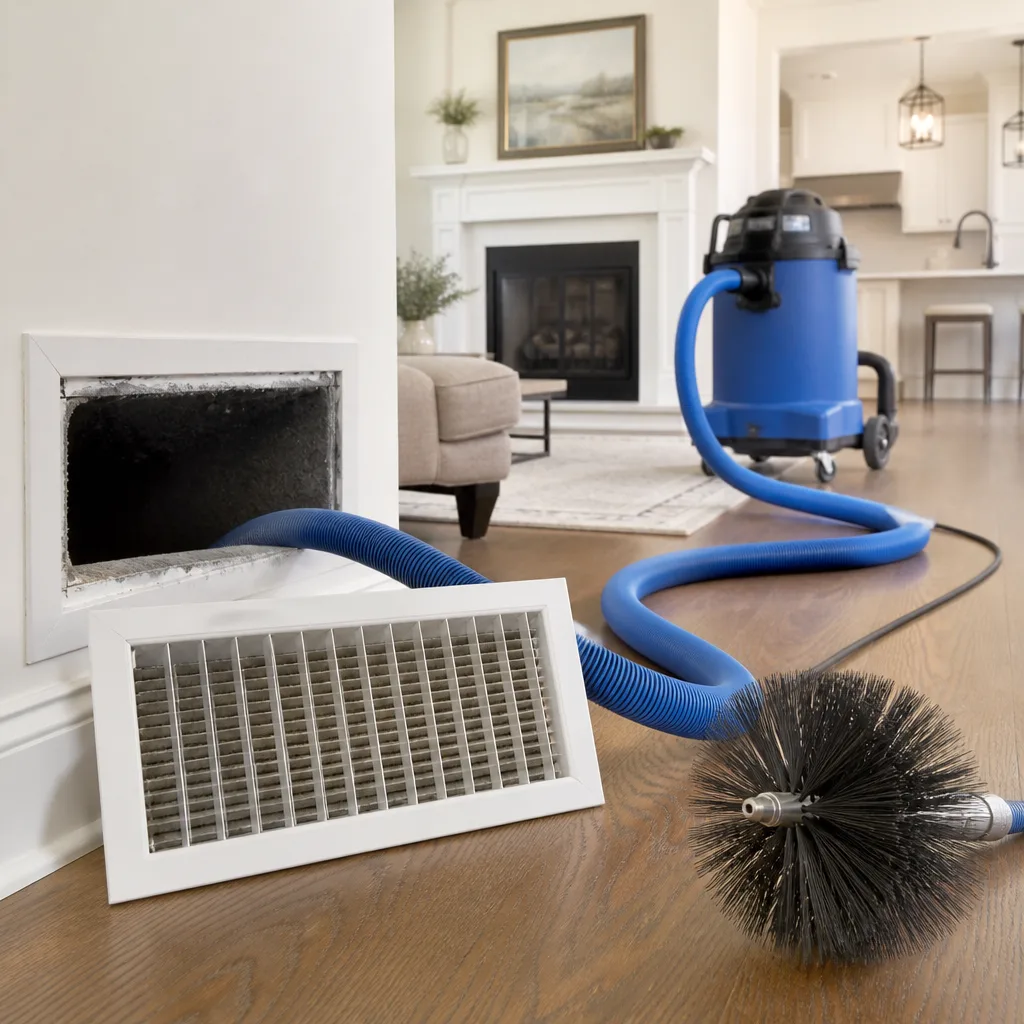 Whole-home duct cleaning
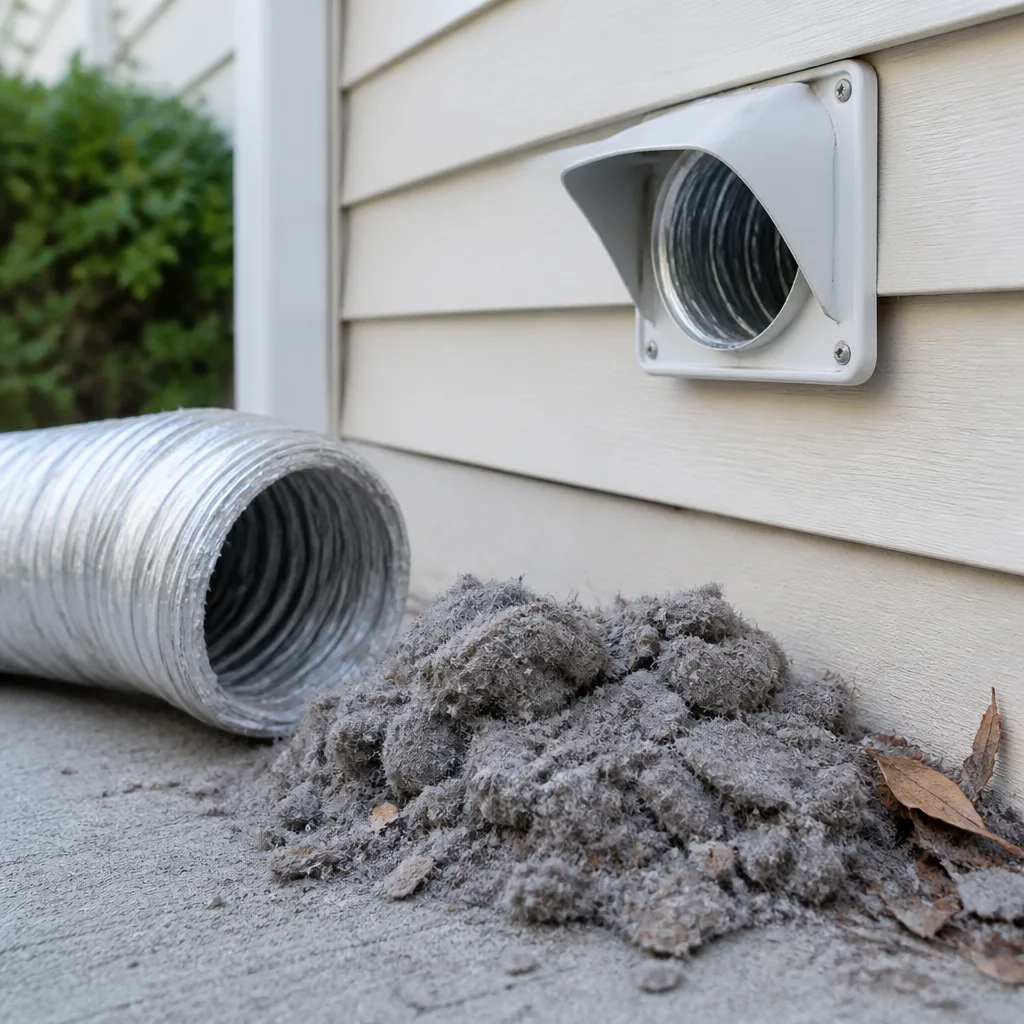 Dryer vent cleaning
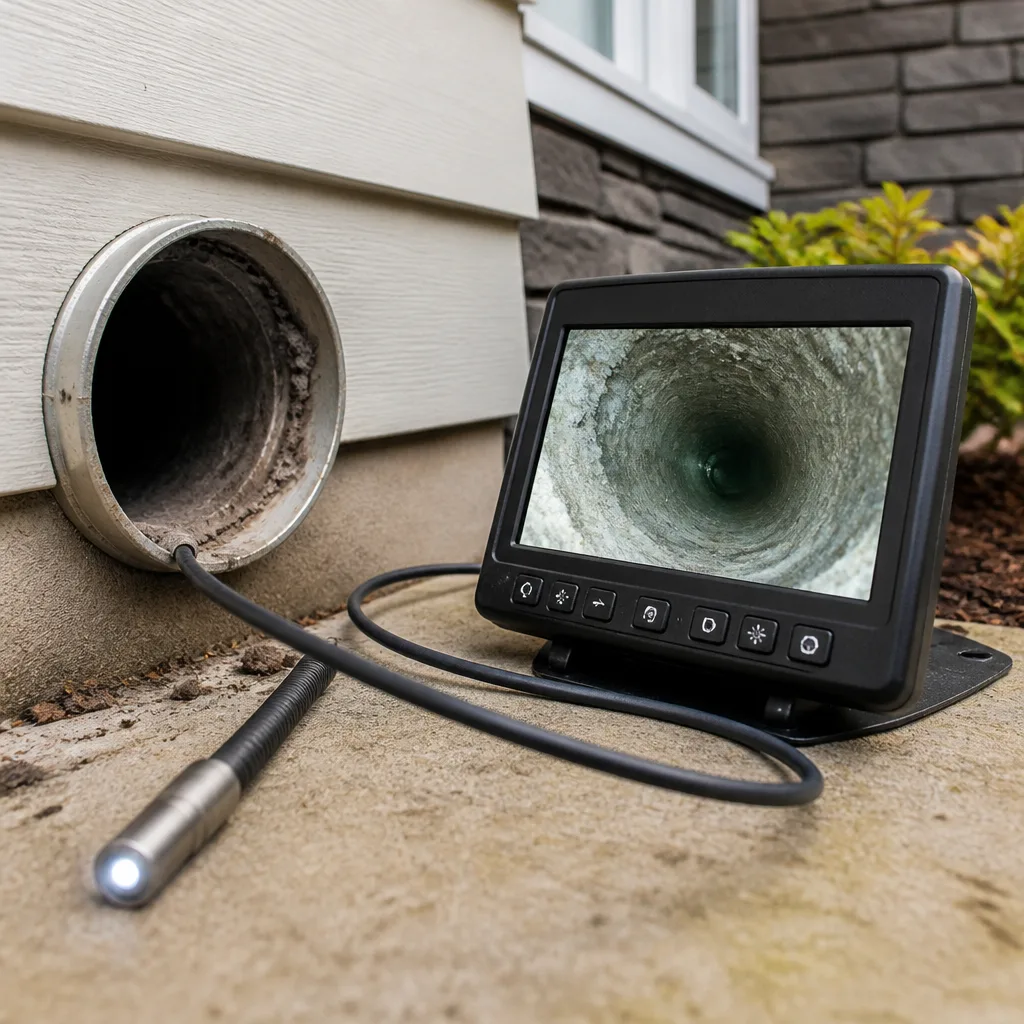 Camera inspection
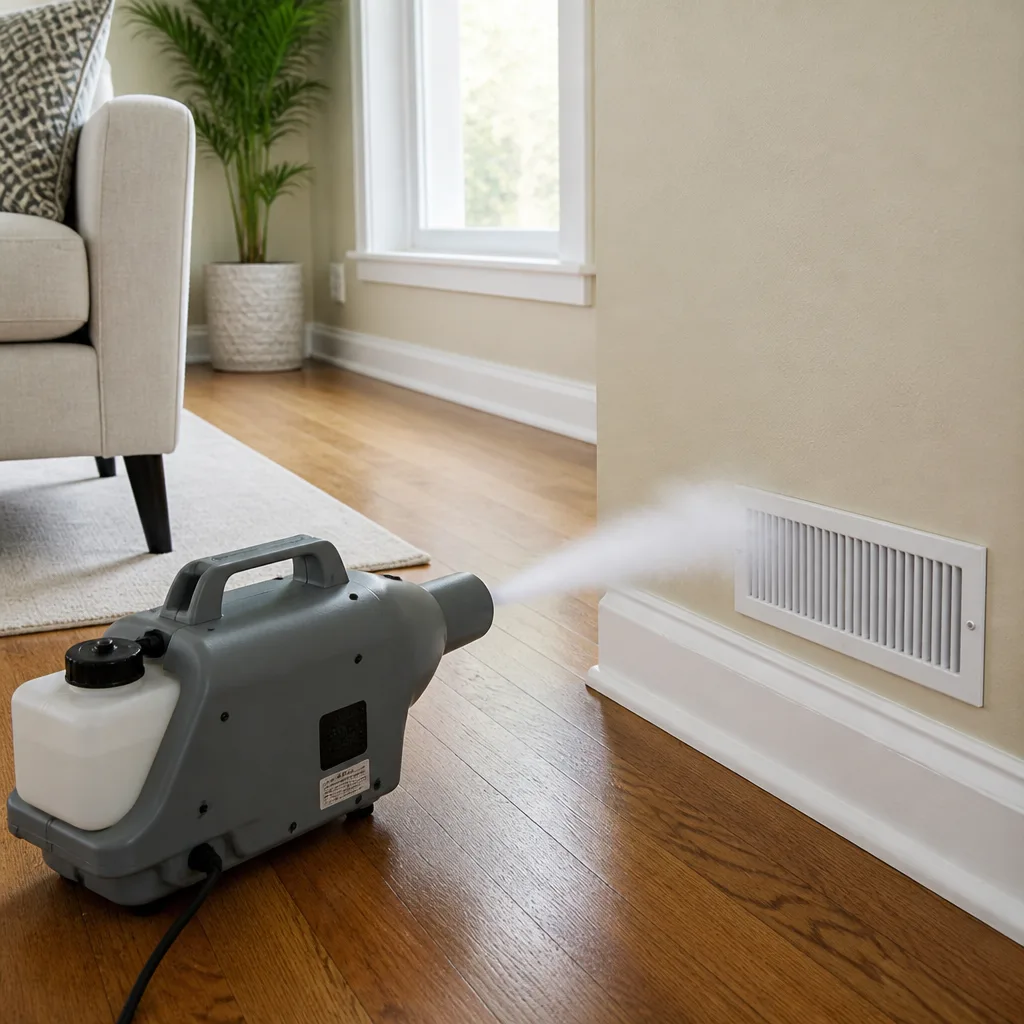 Sanitizing & deodorizing
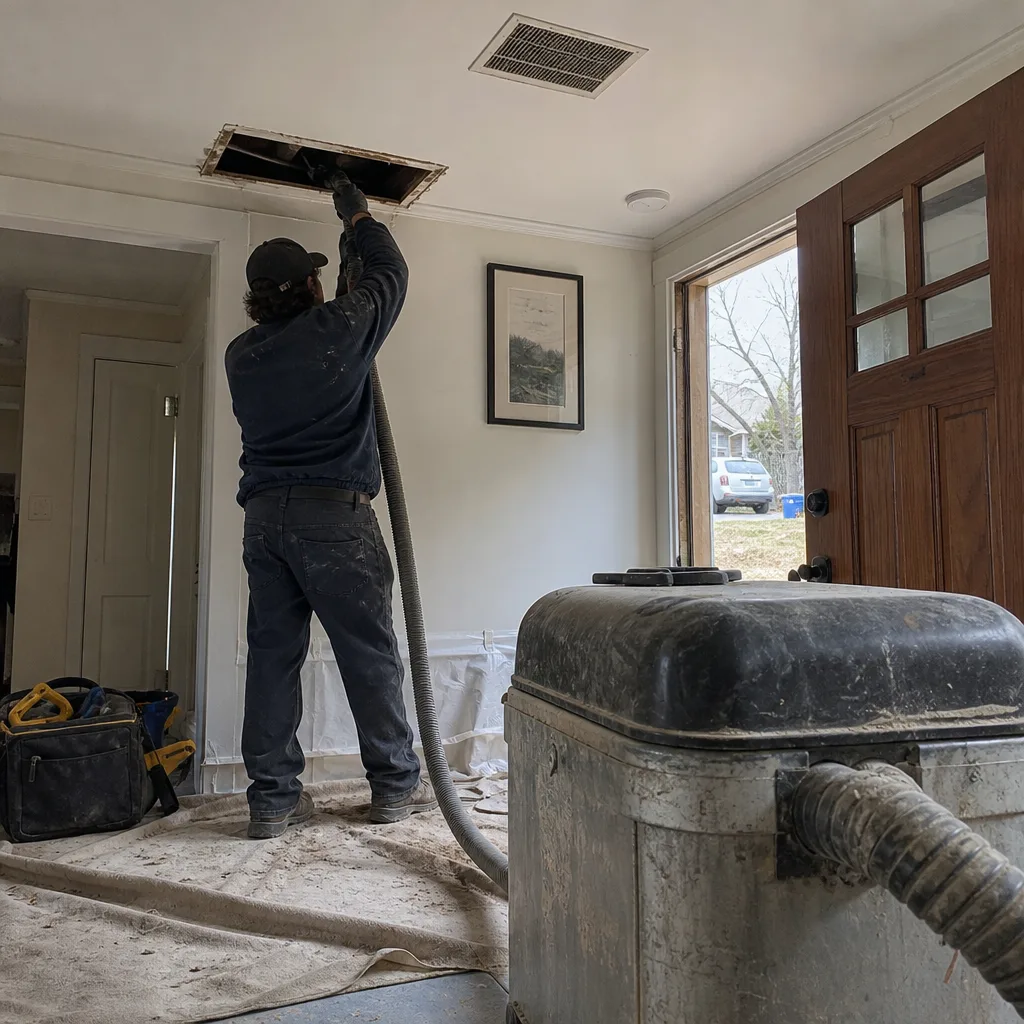
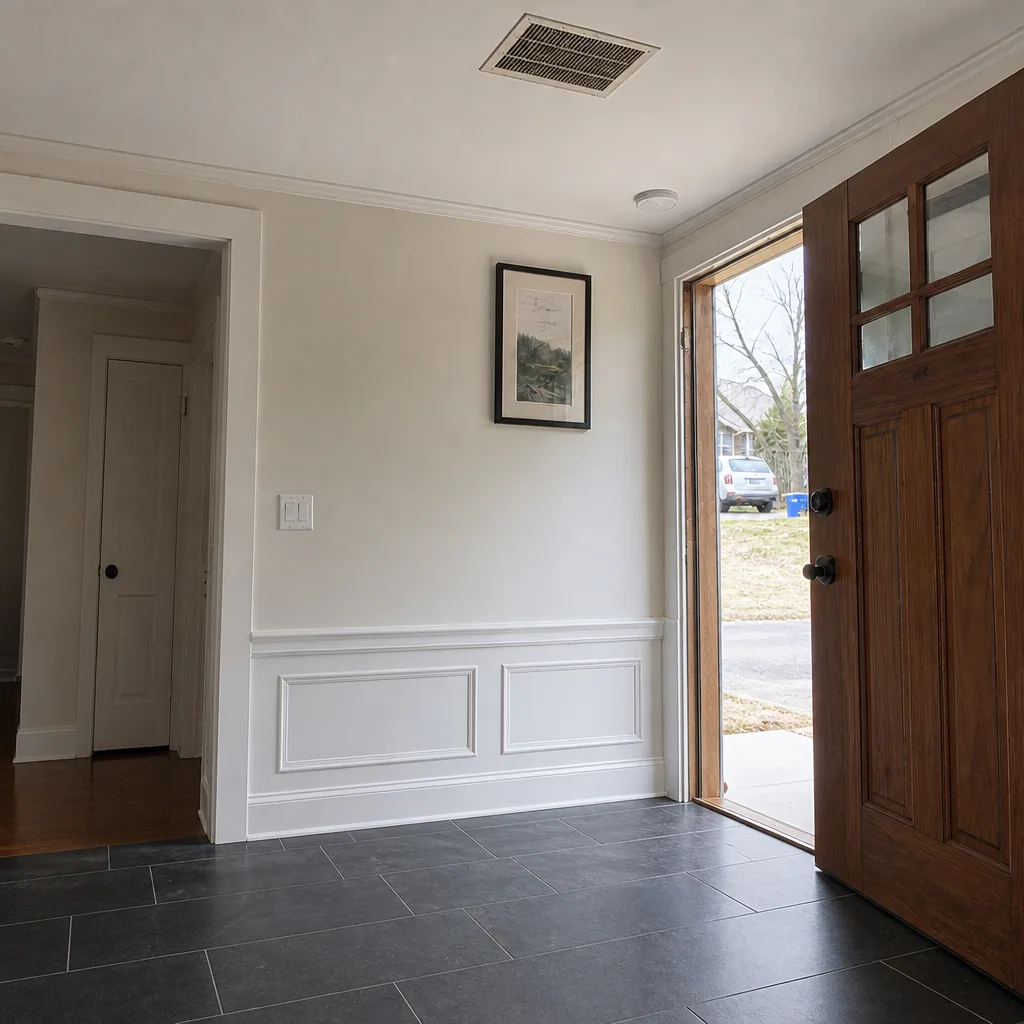
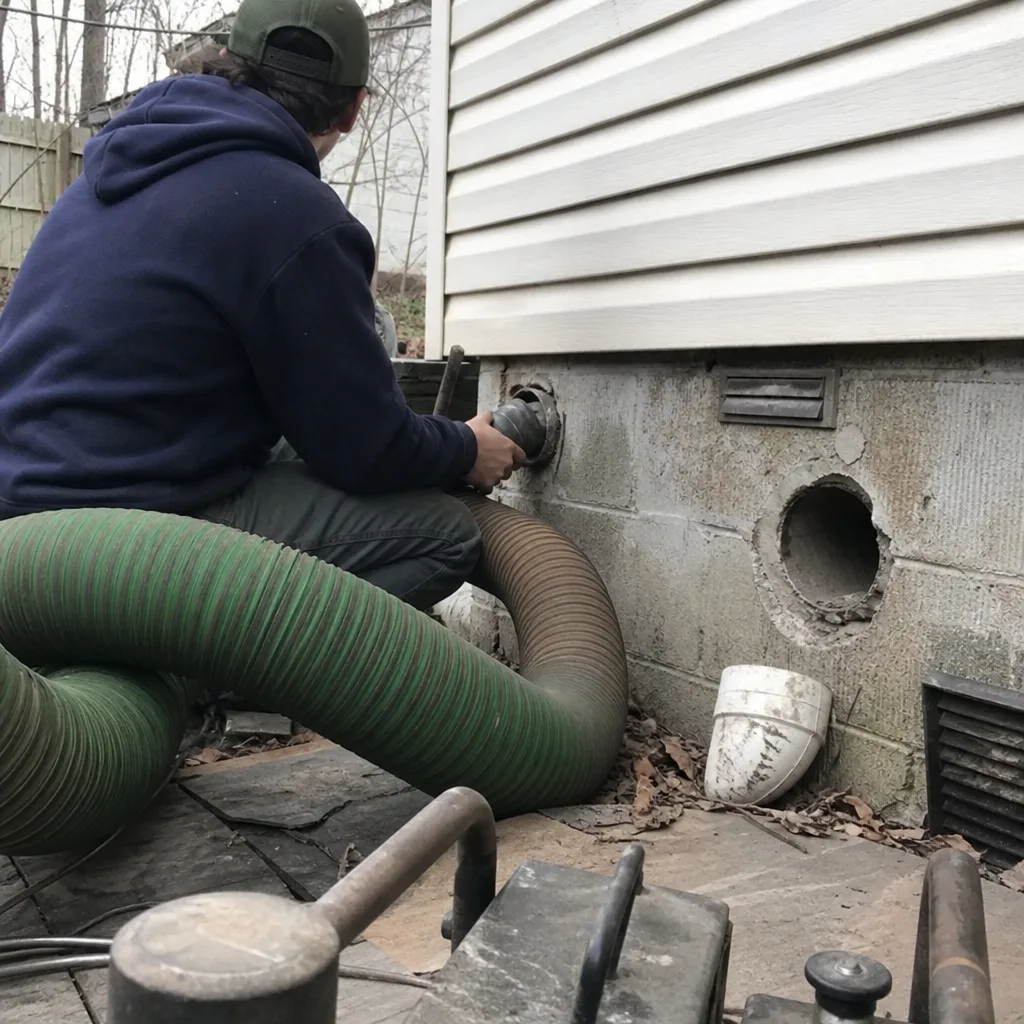
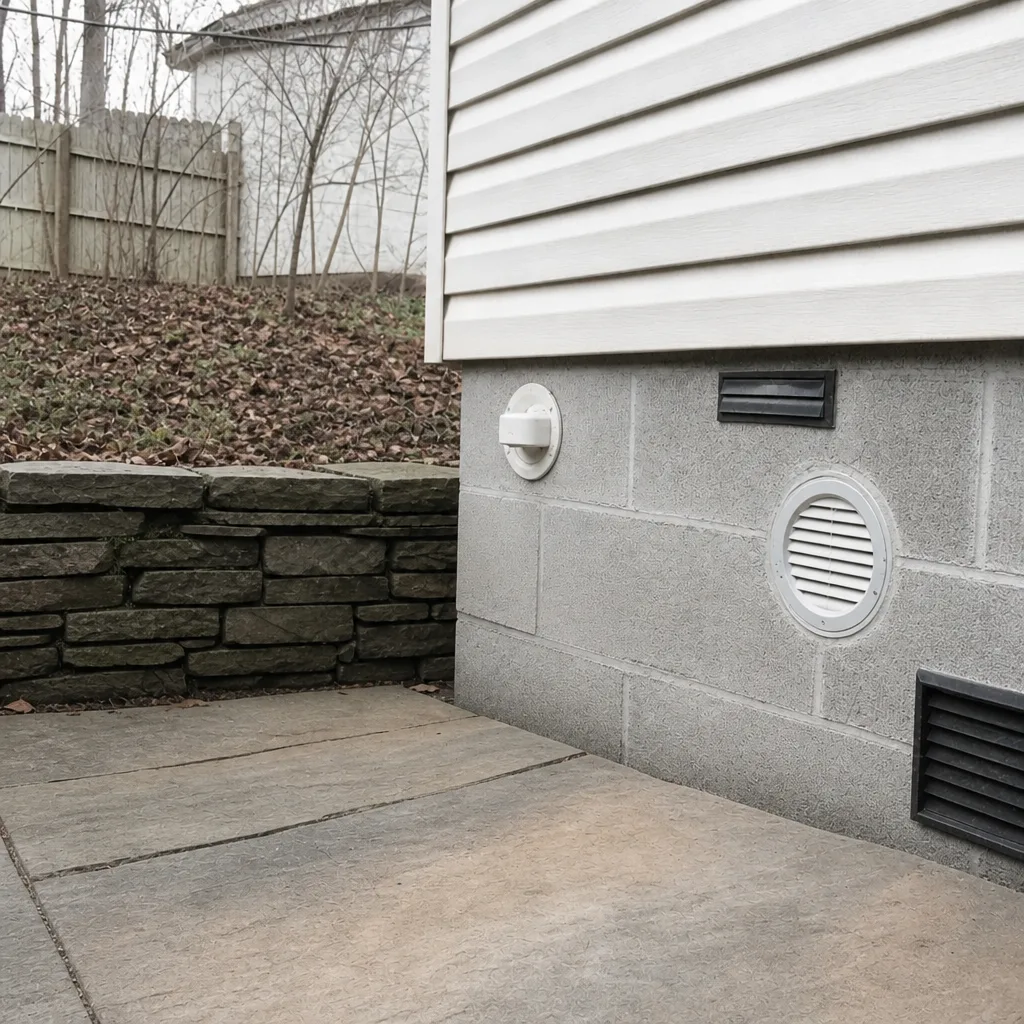
Whole-system duct and dryer vent check with before-and-after photos - you see exactly what came out of your vents
That "$99 whole-house special" is a bait ad - the real number appears once they are in your hallway, or the "clean" is a shop-vac at the register. We photograph the inside of your ducts before and after instead.
Air Duct Cleaning Troubleshooting in Raleigh: Common Problems and How to Fix Them
If your ducts were cleaned six months ago and the musty smell is back, the cleaning didn’t fail. Something in the system is still producing the problem, and another vacuum pass won’t touch it. We’ve seen this in Raleigh homes often enough to know the pattern: a homeowner calls after a recent cleaning because the symptom returned, and the last company only treated the symptom. This guide breaks down the troubleshooting process the way a technician actually thinks through it, matching each complaint you notice to the mechanical or contamination cause behind it. You’ll learn how to tell a duct issue from an HVAC equipment issue before you call anyone.
Quick Answer
Most duct problems in Raleigh trace back to one of four sources: a breach in the duct system, moisture from the crawl space, contamination that cleaning didn’t actually reach, or an HVAC equipment failure being mistaken for a duct issue. The symptom you notice (odor, dust, weak airflow, noise) tells you which category you’re in. Cleaning fixes contamination. Repair and sealing fix breaches and moisture. Equipment repair fixes airflow from the source.
Styles & brands we work with
- Whole-home duct cleaning
- Dryer vent cleaning
- Camera inspection
- Sanitizing & deodorizing
Table of Contents
- Symptom-to-Cause Mapping: What Your Complaint Actually Means
- Why Dust Comes Back After Cleaning
- How to Tell a Duct Problem From an HVAC Problem
- What Raleigh’s Clay Soil Means for Your Ducts
- Why Musty Smells Return After Cleaning
- When Cleaning Is Right vs. When You Need Repair
- Tracing Duct Noise Back to Its Source
- Weak Airflow: A Step-by-Step Diagnostic
Symptom-to-Cause Mapping: What Your Complaint Actually Means
The most useful troubleshooting skill is matching what you notice to what’s actually happening. Different symptoms point to different fixes, and the same fix applied to the wrong symptom wastes money.
Odor (musty, earthy): Usually moisture in the system or mold growth on duct insulation, not accumulated debris. Cleaning alone won’t stop it if the moisture source is still active. In Raleigh’s humidity, this is one of the most common complaints we hear.
Odor (dusty, stale): Accumulated debris in the duct run or in the return plenum. Often resolves with proper cleaning that reaches the duct walls, not just the visible opening.
Visible dust from vents: Could be a clean duct with a dirty HVAC filter, a gap at the boot or register connection, or debris that a previous cleaning loosened but didn’t fully remove. The distinction matters: a filter change fixes the first case; sealing fixes the second; another cleaning (done correctly) fixes the third.
Uneven airflow room to room: Often a duct design or damper balancing issue, not a contamination problem. Sometimes a collapsed or disconnected flex duct in the crawl space or attic.
Noise (hissing, whooshing, rattling): Hissing at a register usually means a leak at a joint. Rattling can be loose ductwork or debris rattling inside the run. Whooshing can indicate a duct that’s undersized for the airflow running through it.
Reduced airflow overall: Could be a clogged filter, a failing blower, a crushed duct section, or debris blocking the main trunk. The order you check these in matters.
Write down what you’re noticing, when you notice it (all the time, only when the system first kicks on, only in certain rooms), and which rooms are affected. That pattern is the fastest way to get a real diagnosis instead of a generic cleaning quote.
Why Dust Comes Back After Cleaning
Recurring dust after a recent cleaning usually signals a breach in the duct system, not a dirty duct. When a duct has a gap, a disconnected joint, or a poorly sealed register boot, unfiltered air from the crawl space, attic, or wall cavity gets pulled in and blown into the room. No amount of vacuuming fixes that, because the breach keeps pulling in new dust every time the system runs.
Here’s how to check for yourself before calling anyone:
- Reset the baseline. Replace the HVAC filter and dust one room thoroughly. Note the date. If visible dust returns within two weeks, you likely have a breach.
- Watch for the pattern. Dust that’s concentrated near one or two registers suggests a leak at those boots or the run feeding them. Dust evenly across the whole house suggests a return-side issue or a filter problem.
- Look inside a register. Remove the register cover (usually two screws) and look inside with a flashlight. Visible gaps around the boot where it meets the drywall are common. So is dust coating the inside of the run past the register.
- Check the accessible duct in the attic or crawl space. Flex duct that’s sagging, pinched, or disconnected at a joint is easy to spot with a flashlight. Don’t climb into an attic or crawl space you’re not comfortable navigating; note what you can see from a safe vantage point.
- Note which rooms are affected. A single-room dust problem often means a single leak. Whole-house means return-side.
The fix for a breach is sealing, not cleaning. Metal duct can often be sealed with mastic. Flex duct with a disconnected joint can often be reconnected and secured correctly. Occasionally a duct section needs replacement, which is a repair job, not a cleaning job. Our air duct cleaning service in Raleigh always starts with a visual inspection of accessible duct runs for exactly this reason. If we find a breach, we tell you before we quote the cleaning.
How to Tell a Duct Problem From an HVAC Problem
Before you call anyone, you can narrow down whether the issue lives in the ductwork or in the HVAC equipment itself. This saves time and prevents the wrong service call.
Signs it’s a duct problem:
- The HVAC equipment runs quietly and normally, but airflow at some registers is weak.
- Dust returns quickly after cleaning.
- The smell is localized to specific rooms or registers.
- You can see or feel gaps, disconnects, or crushed sections in accessible duct.
- The system reaches the set temperature eventually but struggles on certain rooms.
Signs it’s an HVAC equipment problem:
- The blower sounds strained, cycles oddly, or the fan runs at noticeably lower speed than usual.
- The system runs constantly without reaching the set temperature.
- Ice forms on the indoor or outdoor unit, or refrigerant lines frost over.
- The filter clogs much faster than normal (every couple of weeks when it should last months).
- The system short-cycles (running for a few minutes, then shutting off).
Some problems are both. A filter that clogs constantly can be a duct leakage problem pulling in dust, or a return duct that’s undersized. A weak blower can be a failing motor or a duct system with too much restriction. When we’re on site for a duct service, we check the equipment side enough to know whether a duct cleaning is actually the right next step. If it’s not, we say so. Our Jasper Duct Cleaning team doesn’t push a cleaning on a system that needs an HVAC repair, because doing that costs you money and doesn’t solve your problem.
One more useful test: run the system on fan-only mode (no heat or cool) for a few minutes. If the smell or airflow symptom changes with fan-only mode, the issue is in the distribution system (ducts, blower, filter). If it only appears when cooling runs, suspect a condensate or evaporator coil moisture issue.
What Raleigh’s Clay Soil Means for Your Ducts
Raleigh sits on heavy clay soil that holds water instead of draining it, and that single fact drives more duct moisture problems here than almost anything else. After a wet stretch, water pools around foundations and in crawl spaces rather than draining away. In homes with crawl space construction, that moisture has a direct route into your duct system.
Here’s the chain of events:
- Clay soil saturates and holds water around the foundation after rain. In older neighborhoods especially, grading often slopes toward the house rather than away.
- Crawl space humidity climbs. Vapor rises from soil into the crawl space, and if the crawl space isn’t properly sealed or ventilated, that humidity stays.
- Ducts in the crawl space pick up moisture. Metal ducts sweat. Flex duct insulation gets damp and stays damp. Duct board becomes a moisture reservoir.
- Mold and mustiness follow. Dust accumulates on damp duct surfaces, and the combination of moisture and organic dust is exactly what mold needs.
What this means for troubleshooting: if your ducts are in a damp crawl space, a cleaning pass alone won’t fix a musty smell. You need to address the moisture source too. That starts with the crawl space vapor barrier and drainage, and sometimes with the duct system itself (sealing leaks that pull in crawl space air, or replacing duct sections that are moisture-saturated).
Attic ducts have a related problem: Raleigh summers are brutally humid, and attic ducts run through air that’s often more humid than the conditioned air inside them. That swing between hot attic air and cold conditioned air is why duct insulation condition matters so much here. If you’re comparing providers and want a sense of what proper duct service looks like in this climate, our Raleigh page covers the local conditions we work in.
Why Musty Smells Return After Cleaning
The single most common frustration we hear is this: “We had the ducts cleaned a few months ago and the musty smell is back.” If the smell returns after cleaning, the cleaning addressed the symptom, not the source. Here’s what’s usually still producing it:
Moisture intrusion that cleaning can’t address. A cleaning removes debris, but if a duct section stays damp, new mold grows on the clean surface. This is the most common cause in Raleigh crawl space homes.
Mold growth in areas a cleaning pass missed. Some cleaners pass through the duct and address only what the vacuum reaches. Duct walls, register boots, and the return plenum need proper agitation (a rotating brush) and negative-air containment to be genuinely cleared. This is why equipment matters: our air duct cleaning process uses Rotobrush brush-agitation to dislodge debris from the duct walls, then Nikro HEPA-rated vacuum and Abatement Technologies negative-air containment to capture it so loosened debris doesn’t recirculate through your home.
HVAC equipment contamination. If the evaporator coil or drain pan has mold growth, no duct cleaning resolves it. The coil needs professional attention. A technician on a duct service will usually check the coil face for visible growth.
Return-side contamination. Return ducts pick up dust and organic material faster than supply ducts. If the last cleaning focused on the supply side, the returns may still be the source of the smell.
Wet insulation inside flex duct. Flex duct insulation that has absorbed moisture can develop persistent odor even after the interior surface is cleaned. Sometimes the fix is replacing that section.
The fastest way to sort this out: when you call, describe the order things happened in. “Smell, cleaned, smell gone for two months, smell returned” is a different diagnosis than “cleaning, mild improvement, smell never fully gone.” That detail alone helps a technician narrow down whether cleaning, sealing, repair, or a moisture fix is the right next step.
When Cleaning Is Right vs. When You Need Repair
Not every duct problem needs a cleaning, and not every odor or airflow issue needs repair. Getting this distinction right is where money gets saved. Here’s a straightforward way to sort it out.
A cleaning is the right fix when:
- There’s visible dust accumulation inside the duct runs and no breach.
- You’ve recently moved in and have no record of prior cleaning.
- You’re dealing with buildup after a renovation (drywall dust, sawdust).
- You want to reset the baseline for a genuinely dirty system.
- Someone in the home has dust or allergy triggers and dust is returning before it should.
You need repair when:
- You can see or feel gaps, disconnects, or crushed flex duct in accessible areas.
- Dust returns faster than normal after cleaning (breach pulling in unfiltered air).
- Specific registers have noticeably less airflow than others, and the equipment runs normally.
- There’s moisture damage inside a duct section, or wet insulation in flex duct.
- Duct sections have separated at joints, especially in the crawl space or attic.
You need both when:
- There’s contamination plus a breach. Cleaning a duct system with a breach just recontaminates it once the air runs again. The right sequence is fix the breach, then clean.
- Moisture damage has caused mold growth inside the duct. You need the moisture source addressed, contaminated sections repaired or replaced, and then a proper cleaning of the remaining system.
This is the gap most homeowners don’t see between providers. Most duct cleaners stop at vacuuming, which works if the system is dirty and sealed. But when the problem is a breach, a moisture issue, or a broken section, cleaning alone won’t fix it. Air duct repair is what closes that gap. One call for diagnosis, cleaning, and repair means you’re not bounced between a cleaning company and an HVAC contractor who each say the other should handle it.
Tracing Duct Noise Back to Its Source
Duct noise is the complaint most often dismissed as “normal,” which means it’s the one most often left actually unresolved. But duct noise almost always points to something specific.
Hissing or whistling at a register: This is usually a leak. Either a gap at the register boot, a disconnected joint in the run feeding that register, or an under-sized duct with too much pressure. The fix depends on which. A leak gets sealed. A pressure issue may need a duct design change, which is outside what a cleaning or repair service usually covers.
Banging or popping when the system starts: Often ductwork that flexes against framing or a joint when pressure changes at startup. Sometimes the ducts need proper strapping or support (a repair fix). Rarely this is a sign of duct sections that need replacement.
Rattling or ticking: Loose debris inside the duct, or a loose damper blade. Also common with a register cover that isn’t fully seated; check that first.
Roaring or whooshing at a single register: Usually an undersized duct serving that room, or a register that’s partially closed. Check the damper position first.
Constant low hum from the ductwork in a closet or wall cavity: Often a duct passing too close to framing. This one is hard to fix without access, so it’s worth a professional opinion before committing to work.
If the noise is new (started recently and didn’t exist before), and nothing changed about your HVAC equipment, that points toward duct damage (a section has collapsed, come loose, or shifted). Take a video with your phone when it’s happening, and let a technician hear it, because the type of noise is often more diagnostic than a description.
Weak Airflow: A Step-by-Step Diagnostic
Weak airflow is the complaint that gets misdiagnosed most often because it has the most possible causes. Here’s the order to check things in, from most likely and cheapest to sort out, down to least likely.
- Check the HVAC filter. A clogged filter is the single most common cause of weak airflow. Pull it and look through it against a light. If air passes through easily, it’s fine. If it visibly restricts light, replace it and see if airflow improves.
- Check the registers and dampers. Walk room to room. Are registers open? Many have a lever on the back of the cover that adjusts airflow. Airflow that’s weak in one room but strong elsewhere can simply be a damper that’s mostly closed.
- Look for crushed or disconnected duct. In an attic or crawl space, flex duct can get pinched by stored items, sagged by age, or separated at a joint. Visual check only if you’re comfortable navigating those spaces; if not, note what you can see and leave it to a technician.
- Check the return air path. If returns are blocked by furniture or a rug, the whole system struggles. So does a home where a “return” isn’t actually a return. Common in older Raleigh homes where a prior remodel repurposed a room.
- Listen to the blower. Does the equipment sound normal? Is the fan running at proper speed? A blower on its way out produces weak airflow with no duct involvement at all.
- Test whether the airflow changes with the system off and on. If airflow is weak at every register regardless of the system state, the issue is often a duct design or sizing problem. If airflow is strong at some registers and weak at others with the system running, that points toward a partial restriction in a specific branch.
Our technicians have up to 10 years of experience with this exact diagnostic process, and the answer is often a branch duct restriction, a return issue, or a partially collapsed run that wouldn’t show up on a cleaning-only inspection. If you’re calling for an estimate, the technician walks this list with you on site before quoting any work. The written estimate sets the price for whatever the actual fix turns out to be.
Common Mistakes to Avoid
- Booking a cleaning for a musty smell without diagnosing the moisture source first. In Raleigh, a musty smell after rain or during humid stretches is often a crawl space moisture problem, not a dirty duct problem. Cleaning before fixing the moisture just resets the clock.
- Ignoring a duct breach because the last cleaning was recent. If dust comes back within weeks of a cleaning, the last cleaning probably wasn’t the problem. A breach is pulling new dust in, and another cleaning won’t fix it.
- Assuming weak airflow means a dirty duct. A clogged filter, closed damper, or failing blower produces weak airflow with clean ducts. Check those first before booking a service call.
- Choosing the lowest quote without asking what equipment is used. A cleaning pass with a shop vac reaches what your eye can see. Proper cleaning requires brush agitation and negative-air containment to actually clear duct walls. The tools matter.
- Skipping the crawl space check after a humid summer. Raleigh’s clay soil holds moisture, and crawl space duct runs are the first thing to suffer from it. If your ducts run through a crawl space, have them checked after a wet stretch.
- Letting a dryer vent go unchecked because the laundry “works fine.” Dryer lint accumulation inside the vent line restricts airflow before you notice a performance issue. Dryer vent cleaning is a safety service, not an optional add-on.
- Treating a return-side problem like a supply-side problem. Return ducts are often where most of the contamination and odor lives. A cleaning that doesn’t address returns doesn’t actually resolve the complaint.
See the difference
 Before
 After
 Before
 After
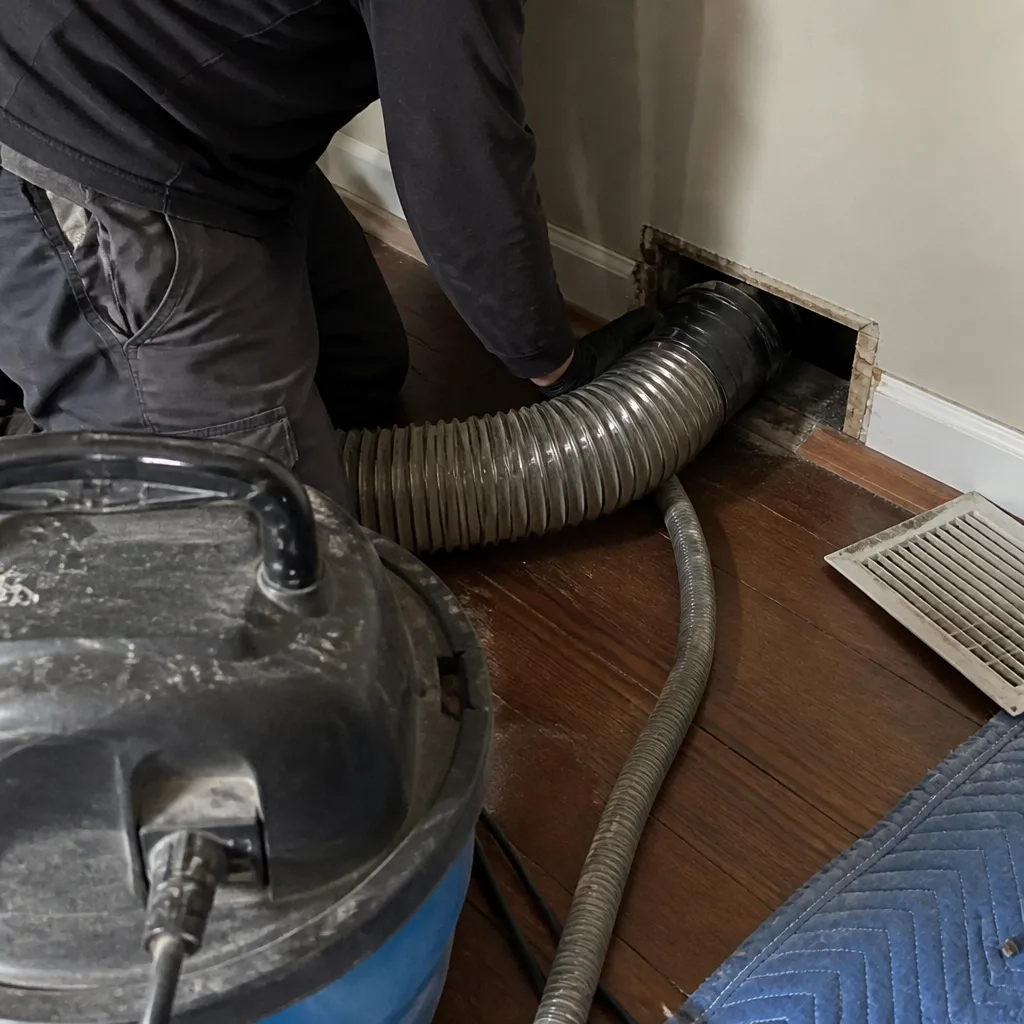 Before
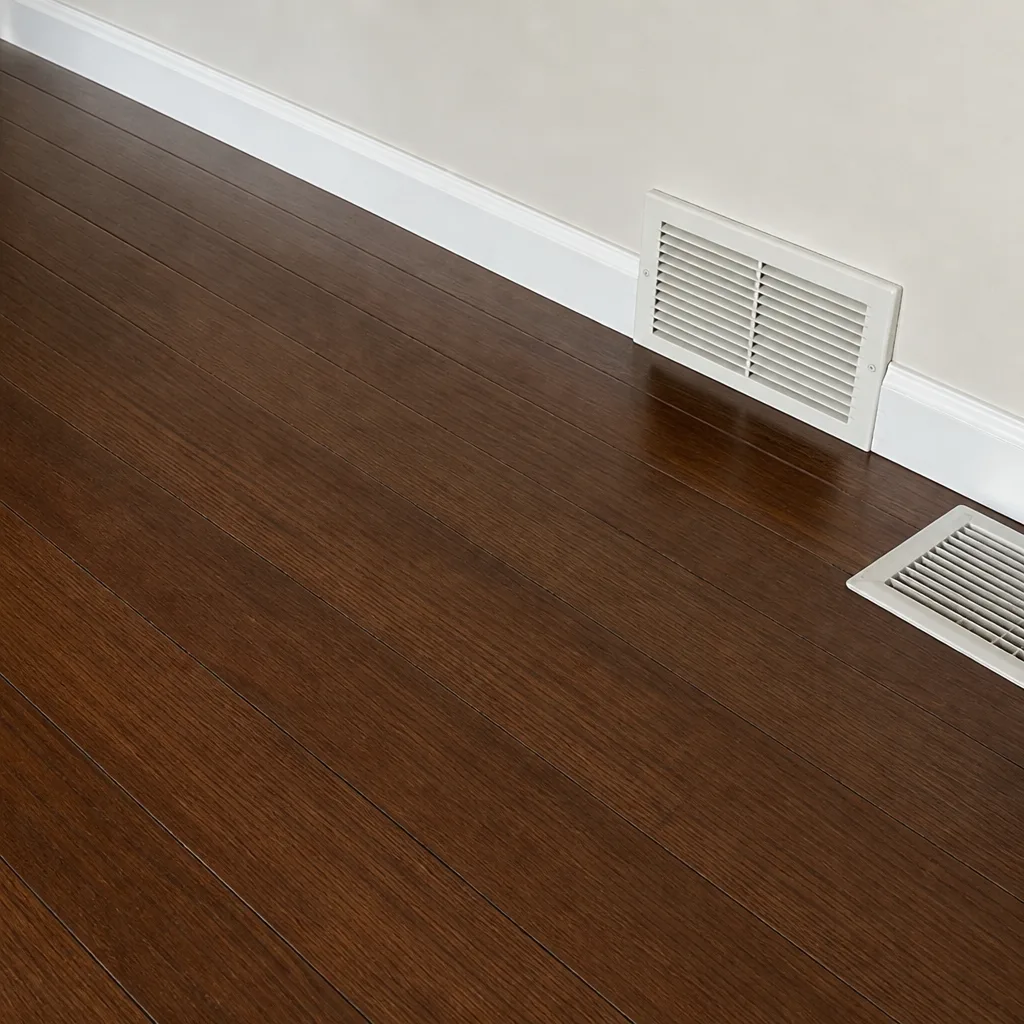 After
When to Call a Professional
Some duct troubleshooting is safe to do yourself: checking filters, confirming registers are open, visually inspecting accessible duct for obvious damage. Anything else, especially inside an attic or crawl space, or involving potential mold growth or a suspected breach, needs a trained professional. The safety guidelines exist for a reason: attics and crawl spaces have real fall, heat, and contamination hazards, and a proper duct cleaning uses negative-air containment specifically to keep contaminants out of your living space during the work.
Call us if any of these is true:
- The musty smell came back after a previous cleaning.
- Dust returns quickly after you’ve reset the baseline.
- You see or suspect a disconnected or crushed duct.
- The dryer takes noticeably longer to dry than it used to.
- You’re dealing with recent moisture damage that may have reached the ducts.
- You want a real diagnosis before committing to cleaning, repair, or both.
Jasper Duct Cleaning offers free estimates in Raleigh. Call (844) 834-2817. We answer 24/7. Fast dispatch from 7am to 7pm, Sunday through Friday. The technician walks the diagnostic with you on site and provides a written estimate. One flat price per system, agreed before work starts, and before-and-after photos of your own ducts so you can see what actually got resolved.
Frequently Asked Questions
Most whole-system air duct cleanings in the Raleigh market fall in the $350 to $700 range for typical single-family homes, depending on the number of registers, system size, and whether the returns need extra work. Difficult access (crawl space or attic runs with restricted clearance) can push the upper end. Anything under about $200 is usually a cleaning that covers one pass with limited equipment. We quote one flat price per system, agreed before work starts, and the written estimate sets the final price. Call (844) 834-2817 for an exact quote. Estimates are free.
You can narrow it down. Check for visible dust inside registers with a flashlight. Reset your dust baseline and watch whether it returns within two weeks. Note which rooms have weak airflow versus strong. If the musty smell returns after cleaning, or you can see a disconnected joint, that’s repair territory. Everything else, especially in the crawl space or attic, needs an on-site look. When the diagnosis is ambiguous, a free estimate costs you nothing and settles the question quickly.
Two local factors tend to accelerate duct buildup in Raleigh homes: humid summers that keep crawl space dust damp and prone to accumulate on duct surfaces, and heavy clay soil that holds moisture around foundations and in crawl spaces longer than most homeowners expect. Homes with ducts in the crawl space see this most. A duct system with a small breach also pulls in new dust continuously, making it appear to dirty faster than it actually does. Call (844) 834-2817 if you want to know which of these is happening in your system. Estimates are free.
It depends on the equipment. A cleaning that agitates duct surfaces and doesn’t contain the loosened debris can actually make things worse short-term, because that debris gets pulled back into your living space. Proper negative-air containment (the same discipline used in remediation work) prevents that recirculation. That’s what Abatement Technologies containment equipment does on every job, and it’s the reason we consider it essential rather than optional. If you have allergies, ask what containment setup a provider uses before booking.
Dryer vent cleaning is a separate service with a separate process and separate safety concerns. It’s not a duct-cleaning add-on. Dryer lint accumulation inside the vent line is a fire risk, and the vent needs cleaning on its own schedule regardless of what the air ducts need. If your dryer takes a longer time to dry than it used to, or the vent hood outside barely moves with air, have it checked. Call (844) 834-2817 for a bundled estimate if both need service. Estimates are free.
If mold is visible inside the duct system, a cleaning alone is not the correct fix. The moisture source that’s supporting the mold needs to be addressed first (crawl space humidity, a leak, wet insulation). Then contaminated duct sections need repair or replacement, followed by cleaning the remaining system. This is a diagnostic job rather than a straight cleaning job. Our air duct cleaning team starts with a moisture-and-contamination assessment on site. Call (844) 834-2817 for an estimate. Estimates are free.
The Bottom Line
Most Raleigh duct problems come down to four root causes: contamination, a breach in the system, moisture from the crawl space, or an HVAC equipment issue mistaken for a duct problem. The symptom you notice tells you which category to investigate first. Cleaning fixes contamination. Repair and sealing fix breaches. Moisture problems need the moisture source addressed alongside the ducts. Equipment problems need equipment attention. If you’re unsure which category you’re in, a free on-site diagnostic is faster and cheaper than guessing. Our dryer vent cleaning service follows the same diagnostic discipline for a separate safety concern, and we don’t sell cleaning on a system that needs repair. Call Jasper Duct Cleaning at (844) 834-2817 for a free estimate in Raleigh. We answer 24/7. Fast dispatch from 7am to 7pm, Sunday through Friday. One flat price per system, agreed before work starts, and before-and-after photos of your own ducts so you can see the result. Questions about what’s actually happening in your system get answered on site, not on a generic phone call.
Written by the team at Jasper Duct Cleaning.